About Locusta migratoria (Linnaeus, 1758)
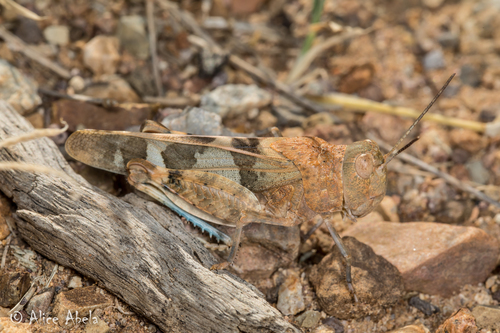
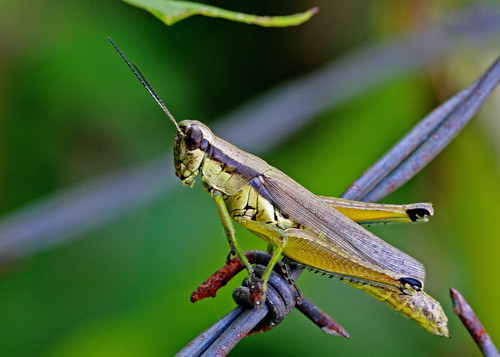
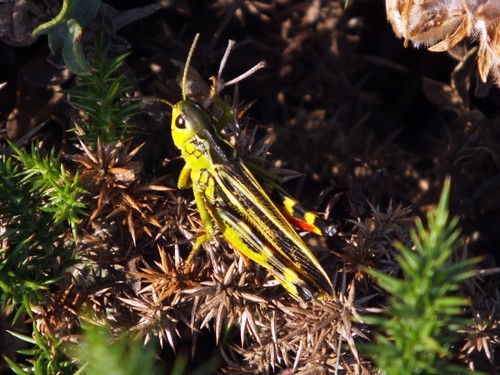
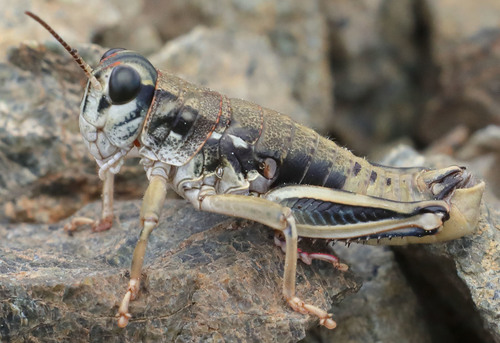
The migratory locust, scientifically named Locusta migratoria, is the most widespread locust species, and it is the only species in the genus Locusta. It can be found across Africa, Europe, Asia, Australia, and New Zealand. Due to the large geographic range it occupies, which covers many distinct ecological zones, many subspecies of this locust have been described. Not all experts agree that all of these described subspecies are actually valid. While this species can reach plague-level populations in drier areas, it remains solitary in the savannas of northern Australia. Many other grasshopper species that show gregarious, potentially migratory behavior are commonly called 'locusts' in everyday language; this group includes the widely distributed desert locust. The migratory locust has a genome size of 6.5 Gbp, making it one of the largest known insect genomes. The migratory locust is an edible insect. In Europe, Switzerland has officially approved migratory locust for use as food since May 2017. On 2 July 2021, the European Food Safety Agency released a scientific opinion stating that consuming migratory locust in frozen, dried, or ground form is safe for humans. On 12 November 2021, EU member states approved allowing the EU Commission to authorize placing migratory locust on the market as a food product. This approval represents one of the last steps in the EU’s novel food authorization process, and the Commission will next adopt an official legal act to finalize the authorization.