About Linum usitatissimum L.
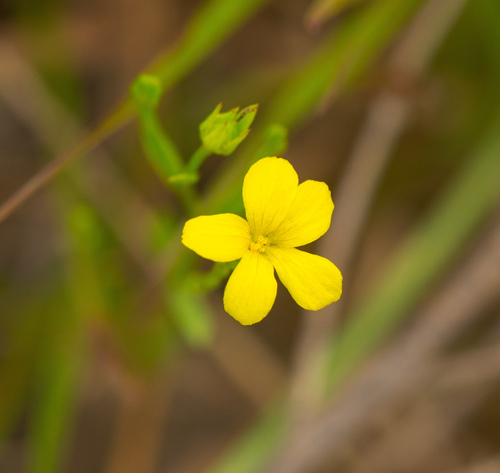
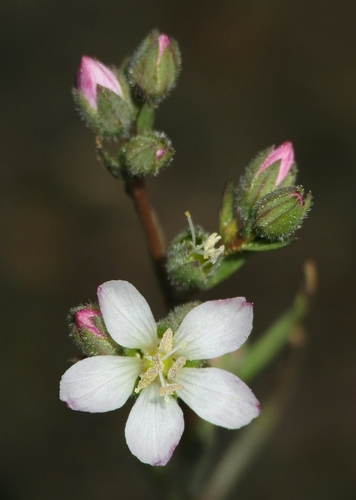
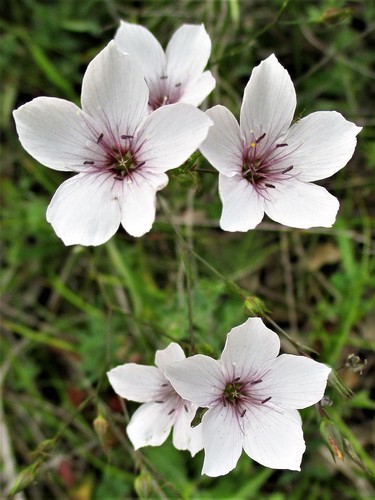
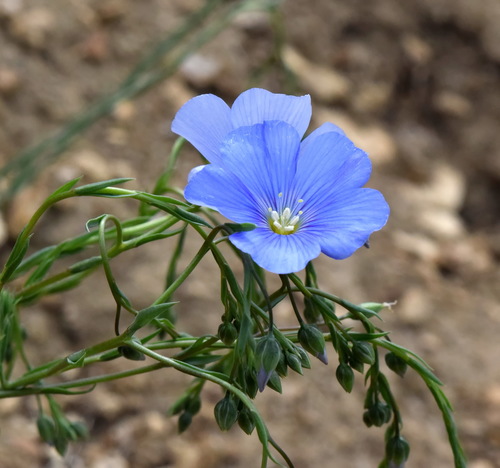
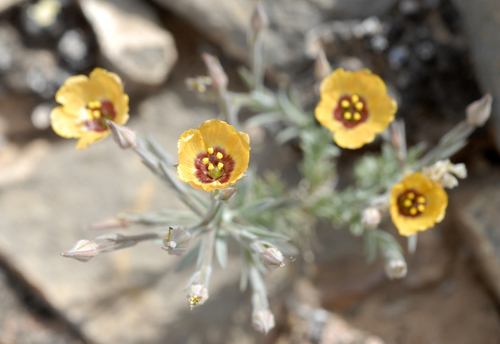
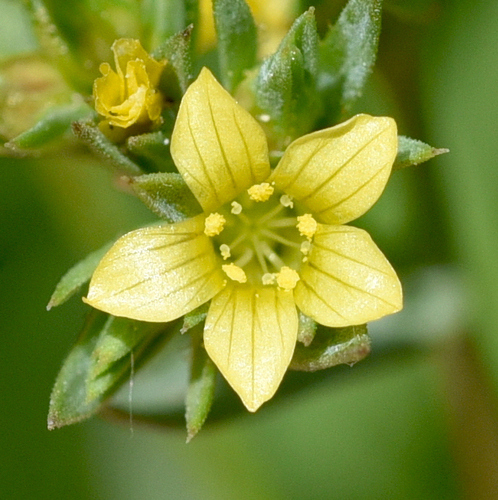
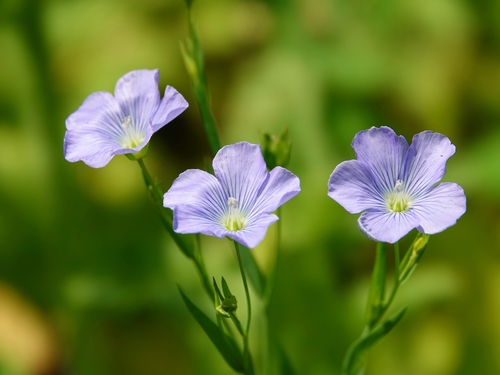
Linum usitatissimum L., commonly known as cultivated flax, shares a similar appearance with many other species in the Linum genus. Some of these related species have blue flowers matching cultivated flax, while others bear white, yellow, or red flowers. Most related species are perennial, unlike cultivated flax which is an annual plant. Mature cultivated flax grows up to 1.2 meters (4 feet) tall, with slender stems. Its leaves are glaucous green, slender and lanceolate in shape, measuring 2–4 centimeters (3⁄4–1+1⁄2 inches) long and 3 millimeters broad. Flowers are 15–25 millimeters in diameter with five petals, and petal color varies as white, blue, yellow, or red across different Linum species. The fruit of cultivated flax is a round, dry capsule 5–9 millimeters in diameter, holding several glossy brown apple pip-shaped seeds that are 4–7 millimeters long. Flax seed and flax seed oil are generally recognized as safe for human consumption. Like many common foods, flax contains small amounts of cyanogenic glycoside, which is nontoxic when consumed in typical serving amounts. Special processing can remove the cyanogenic glycoside found in typical concentrations, such as 0.48% measured in a sample of defatted dehusked flax seed meal. Flax seed can act as a potential allergen for both adults and children. Flax is native to the region stretching from the eastern Mediterranean to India, and was first domesticated in the Fertile Crescent. The most suitable soils for growing flax, aside from alluvial soils, are deep loams with a high organic matter content. Flax often grows just above the waterline in cranberry bogs. Heavy clay soils are unsuitable for flax cultivation, as are gravelly or dry sandy soils. Growing flax requires only small amounts of fertilizers or pesticides, and the plant can reach around 3 feet in height. Flax is primarily cultivated for its seeds, which can be ground into meal or processed into linseed oil. Linseed oil is used both as a nutritional supplement and as an ingredient in many wood-finishing products. Flax is also grown as an ornamental garden plant. Fibers harvested from flax stems are used to make linen. The species epithet usitatissimum translates to "most useful", which reflects the plant's many applications. Flax stem fibers are two to three times stronger than cotton fibers, and are naturally smooth and straight. Until the 19th century, Europe and North America relied on flax as a source of plant-based cloth; during this period, cotton replaced flax as the most common source material for rag-based paper. Flax grown on the Canadian prairies is used primarily for linseed oil, which serves as a drying oil in paints and varnishes, and is an ingredient in products including linoleum and printing inks. Linseed meal, the by-product created when producing linseed oil from flax seeds, is used as livestock fodder.