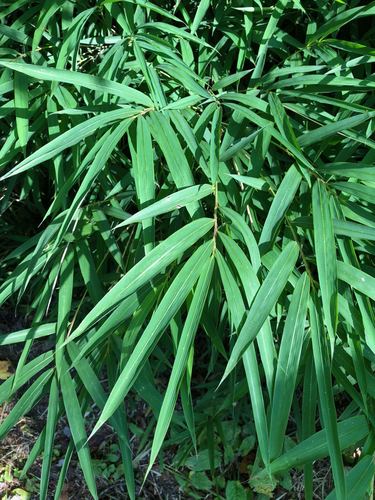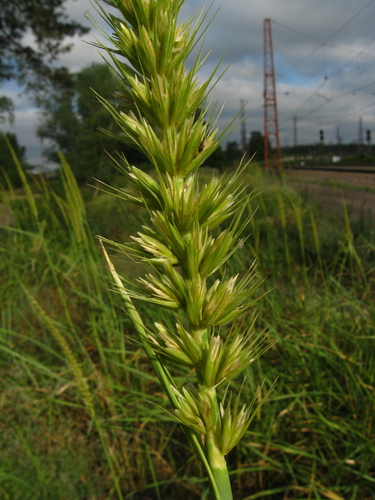
About Leymus racemosus (Lam.) Tzvelev
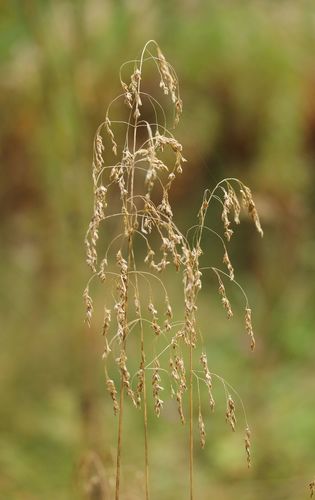
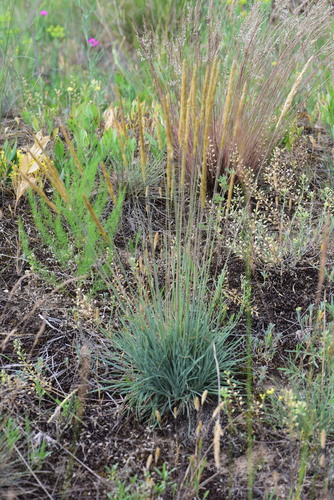
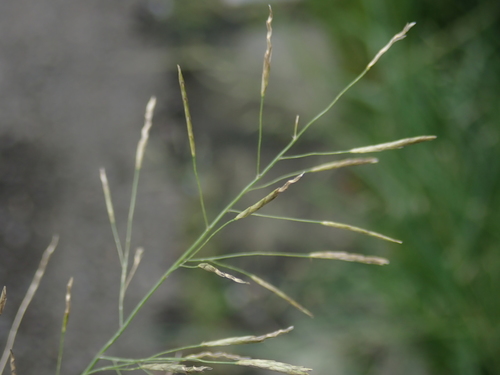
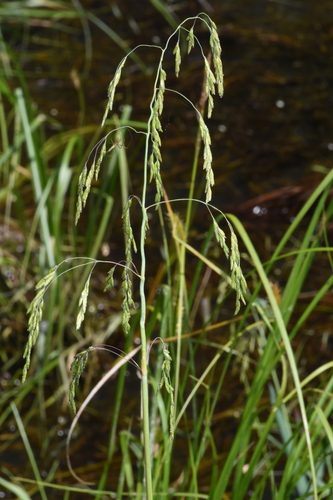
Leymus racemosus (Lam.) Tzvelev, commonly known as mammoth wild rye, is a species of perennial wild rye. It is native to southeastern and eastern Europe, Central Asia, the Caucasus, Siberia, China, Mongolia, and parts of North America. It is an introduced species in New Zealand, where it is classified as an environmental weed. Its culms grow 50–100 cm long and 10–12 mm in diameter. This perennial grass species grows across a wide range of terrains, including wet forests, drylands, coasts, and high-salinity soils. Today, wheat is the primary source of grain in the global human food supply. Growing global population has created strong pressure to increase wheat production to meet worldwide food demand, and multiple factors limit the expansion of wheat cultivation into new areas. Scientists are investigating wheat's evolutionary relatives to incorporate their traits into modern wheat cultivars and improve the cultivars' resistance to biotic and abiotic stresses. Leymus racemosus is one such relative that has shown great potential for this purpose. Introgression lines containing Leymus racemosus genetic material have shown improved response to heat stress, with increased grain yield per spike. This improvement is important because heat stress greatly limits wheat production in tropical climates. High temperatures cause morphological changes in wheat that reduce crop production. Wheat grows optimally at temperatures between 18 and 24 degrees Celsius. Research has found that exposing wheat to temperatures between 28 and 32 degrees Celsius for one week can reduce crop yield by 20%. At the molecular level, this yield reduction is linked to damage to the thylakoid membranes of chloroplasts, which are required for photosynthesis. Leymus racemosus genes have also been shown to improve modern wheat cultivars' resistance to Fusarium Head Blight, a fungal infection that reduces both grain quality and yield. This disease typically occurs in the warm, humid climates where wheat is grown, but scab (another name for Fusarium Head Blight) epidemics have become more widespread across North America and Europe due to climate change. Researchers have isolated specific genes from Leymus racemosus that confer resistance to this disease, which causes lesions on plant leaves, stems, and heads. When these genes were inserted into modern wheat, the modified wheat lines had higher resistance to the fungal infection than wheat lines that did not contain Leymus racemosus genes. Another major barrier to wheat cultivation expansion is aluminum toxicity in soil, which affects 40% of the world's arable land. While the exact mechanism of aluminum toxicity is not fully understood, researchers know it inhibits root cell growth by blocking Ca2+ channels, ultimately disrupting transport and communication within the plant. Liming soil to raise soil pH is a common practice to reduce aluminum toxicity, but this approach can be expensive and difficult to implement at large scale. For this reason, research into developing more aluminum-tolerant wheat is a valuable effort. When Leymus racemosus genes were incorporated into modern wheat cultivars, they helped prevent reduction of root growth under aluminum exposure, indicating higher tolerance to aluminum-induced stress. Leymus racemosus genes have also been found to have a positive effect on reducing nitrogen levels in agricultural systems through biological nitrification inhibition (BNI). This finding is important because nitrogen loss threatens crop success, and currently the only method to address this problem is the use of artificial nitrification inhibitors. Researchers have isolated genes with high BNI activity from Leymus racemosus that can be incorporated into modern wheat cultivars, creating a new strategy to reduce the impact of nitrogen pollution in wheat growing areas. Overall, Leymus racemosus is tolerant to many of the biotic and abiotic stresses that limit modern wheat growth. Studying this wheat relative is critical because it can help advance efforts to expand wheat production and meet global food demand, especially in the face of future threats from climate change and limited arable land.