About Leucorrhinia dubia (Vander Linden, 1825)
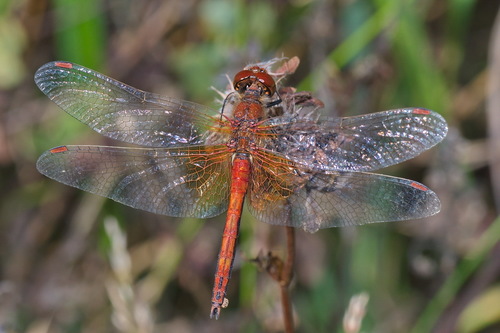
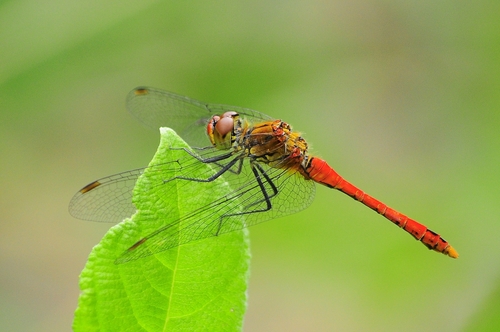
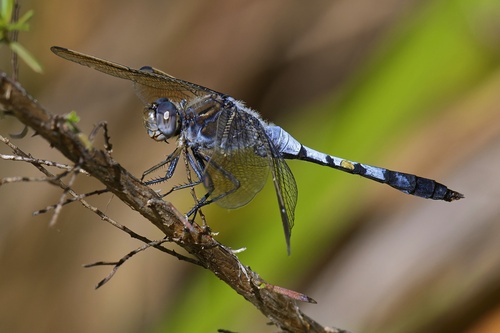
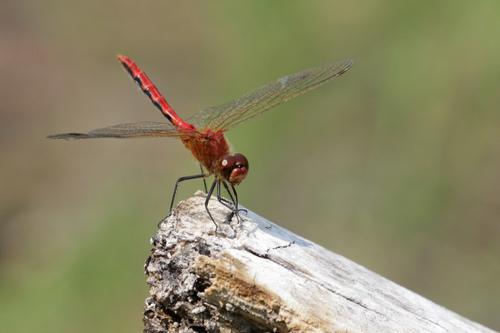
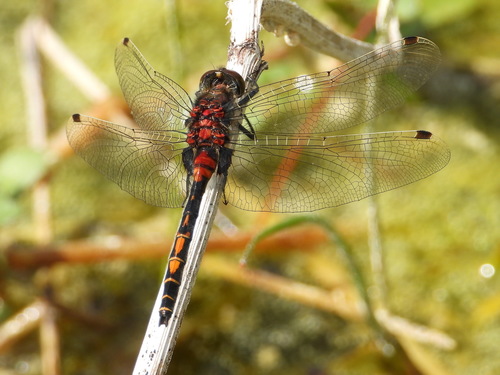
Leucorrhinia dubia (Vander Linden, 1825) is a dragonfly species with a predominantly black body. Adults are usually 33–37 mm (1.3–1.5 in) long; the abdomen measures 21–27 mm (0.83–1.06 in), and the hindwing measures 23–28 mm (0.91–1.10 in). Mature males have striking red and orange markings on the abdomen and thorax that darken with age, while young males and females have pale yellow markings. All individuals have a conspicuous white frons at the front of the head. The wings have a brown patch at the base and a noticeable black pterostigma. It can be confused with similar species, including the black darter (Sympetrum danae), ruddy darter (Sympetrum sanguineum) and common darter (Sympetrum striolatum), but it can usually be distinguished from these species by its white face patch. The range of this dragonfly extends from western Europe to Japan. It is commonly found at higher altitudes in western, northern and eastern Europe, but rare in southern Europe and the United Kingdom. In recent decades, this species has been observed as far away as Russia and China, but the vast majority of all sightings occur in central and northern Europe. In Britain, most individuals are found in the Scottish Highlands, with key populations located in Inverness-shire and Ross-shire. In England, a few isolated populations exist in Cheshire and Cumbria, where biodiversity action plans have been created to protect them. Isolated populations have also been found as far south as Chartley Moss National Nature Reserve in Staffordshire. Overall, British populations of this species have declined over the past 35 years. Adult L. dubia can use scrub and woodland habitats for roosting and foraging. Larvae require standing terrestrial water habitats, such as marshes, wetlands and peat bogs, that generally have vegetation growing along the water's edge. Peat bogs are a particularly important habitat for this species, because they provide the acidic conditions needed for sphagnum moss growth. Sphagnum moss, in turn, provides this species with a source of food and shelter.