About Leptosiphon floribundum (A.Gray) J.M.Porter & L.A.Johnson
Taxonomy and Basic Description
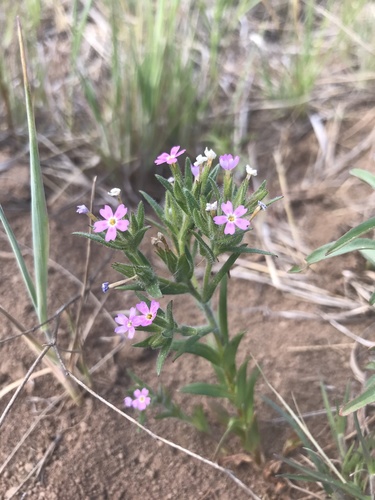
Leptosiphon floribundum, commonly known as Linanthus or Annual Linanthus, is a species of flowering plant in the Polemoniaceae family.
Native Range and Size
Native to California, USA, this plant typically reaches up to 30 cm in height.
Stem and Leaf Features
It features slender stems with small, narrow leaves that are alternately arranged along the stem.
Flower Structure
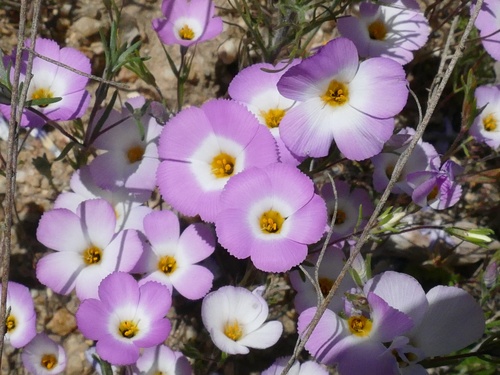
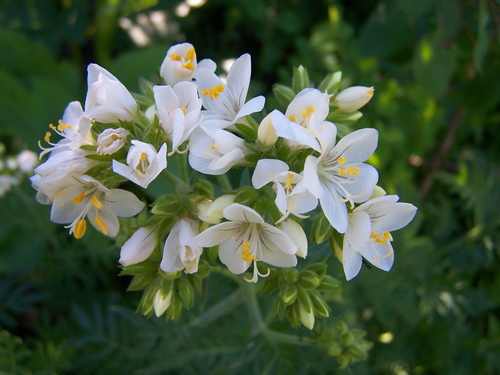
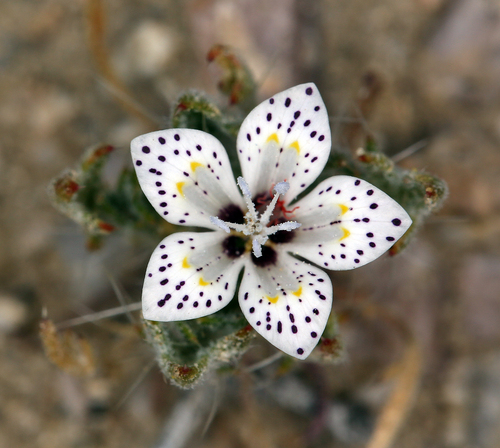
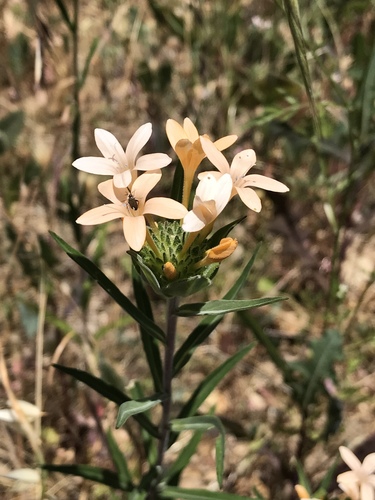
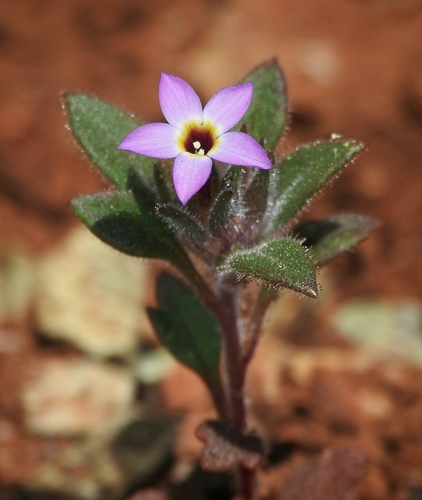
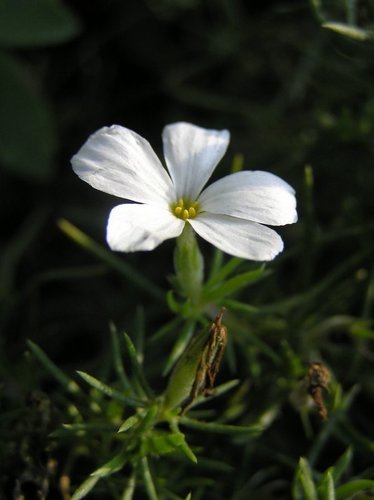
The flowers of Leptosiphon floribundum are small and delicate, with five petals fused at their base to form a tube-like structure.
Flower Color and Bloom Period
These blooms appear in shades of pink, purple, or white and flourish from spring through summer.
Cultivation Requirements
This plant thrives in well-drained soils and prefers full sun or partial shade.
Natural Habitat
It can be found naturally on rocky slopes, grasslands, and open woodlands throughout California.
Traditional Medicinal Uses
Leptosiphon floribundum has been used by Native American tribes for medicinal purposes, particularly for treating ailments such as coughs, colds, and sore throats.
Ecological Role
Additionally, it serves as an important source of nectar for pollinators, including bees and butterflies.
Summary
Overall, Leptosiphon floribundum is a beautiful wildflower that adds color to natural landscapes while offering significant ecological benefits.