About Leonurus sibiricus L.
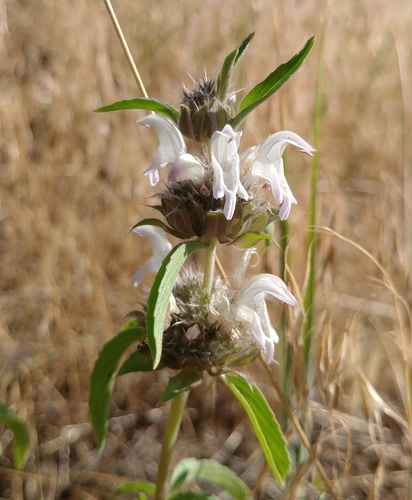
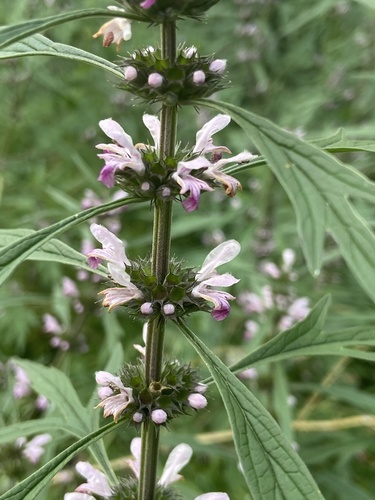
Leonurus sibiricus L. is an herbaceous annual or biennial plant with upright stems that reach 20–80 cm (8–30 in) in height. It produces basal leaves with long petioles, which are ovate-cordate in shape, have toothed margins, and are divided into deeply cut lobes. Typically, one or a few flowering stems grow from its short taproot. As the plant begins blooming, the lower stem leaves are deciduous and wither away. Leaf petioles on the mid-section of stems are 2 cm (0.79 in) long. Flowers form in dense, many-flowered verticillasters arranged in whorls around the upper half or more of the stem. The flowers are sessile, with 8 mm (0.31 in) long tubular-campanulate calices. The corolla is white, reddish, or purple-red; its upper lip is oblong and longer than the lower lip. After flowering completes, the plant produces abundant brown, oblong-shaped nutlets. Its blooming period runs from July through late September, though flowering can occur year-round in climates that allow it. In its natural native range, this species grows in stony or sandy grasslands, or in pine forests.