About Lantana velutina M.Martens & Galeotti
Taxonomy and Common Names
Lantana velutina, a species of flowering plant within the Verbenaceae family, is commonly known as the velvet shrub or velvet lantana.
Native Range and Growth Form
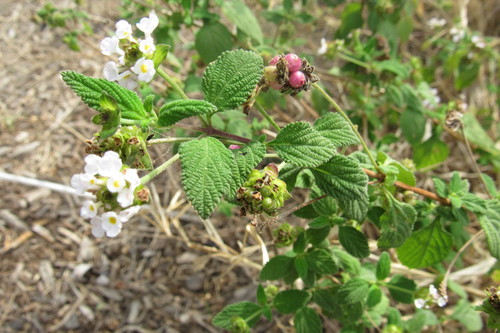
Native to Mexico and parts of Central America, this plant typically grows up to 2 meters tall and displays a spreading habit with branches covered in soft, velvety hairs.
Leaf Characteristics
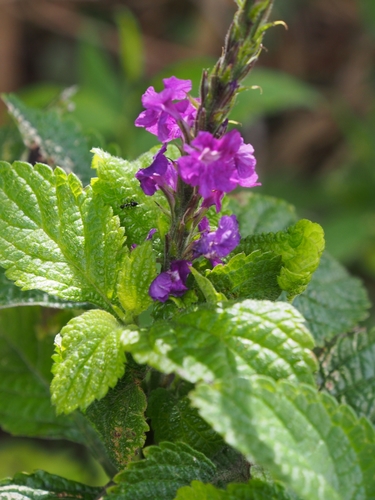
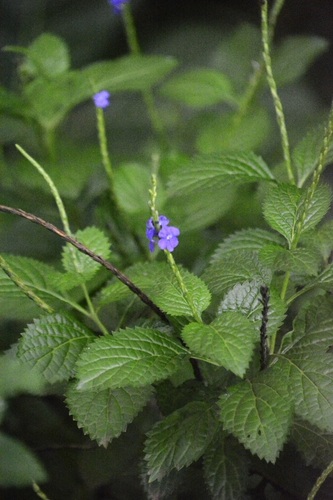
The leaves of Lantana velutina are dark green, ovate in shape, and have serrated edges.
Flower Appearance
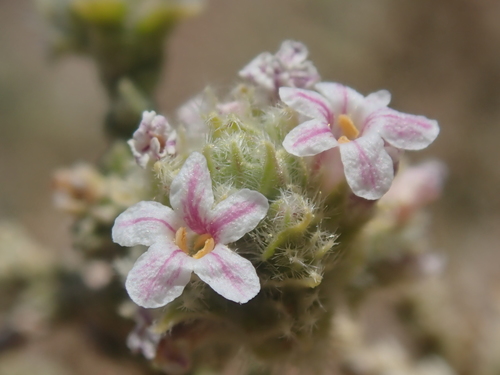
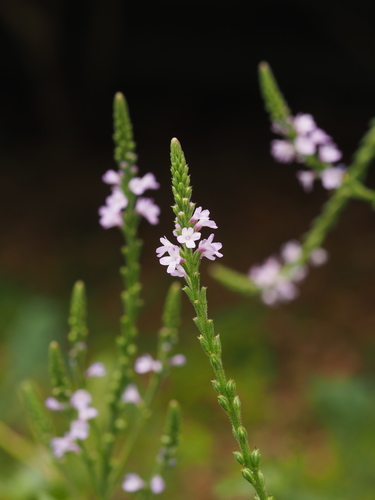
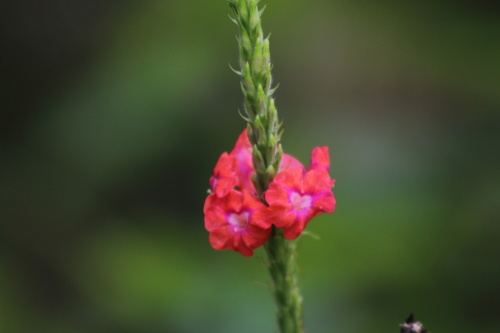
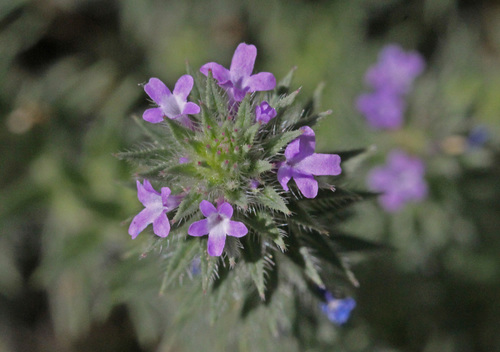
The flowers are small and tubular, with five petals that range in color from yellow-orange to pinkish-red.
Blooming Period and Pollinator Attraction
Blooming from spring through fall, these flowers attract bees, butterflies, and other pollinators.
Light Requirements
Lantana velutina thrives in full sun but can tolerate partial shade.
Soil Adaptability
It adapts well to a range of soil types, including sandy or rocky soils.
Drought Tolerance and Water Needs
While it is drought-tolerant once established, occasional watering during prolonged dry spells can be beneficial.
Traditional Medicinal Uses
Indigenous peoples have used this plant for medicinal purposes, taking advantage of its anti-inflammatory properties to treat ailments such as fever, coughs, and colds.
Garden Suitability
Overall, Lantana velutina makes an excellent addition to gardens for those seeking an attractive, low-maintenance flowering shrub.
Ornamental and Ecological Benefits
It offers year-round interest with its colorful blooms, which attract numerous pollinators.