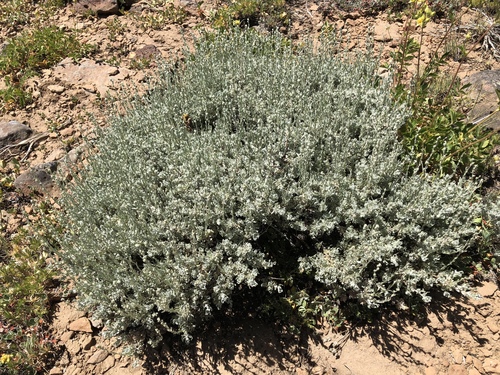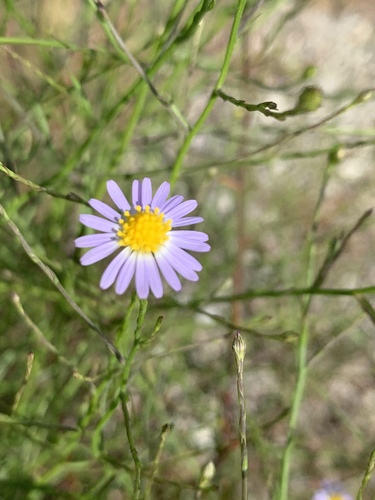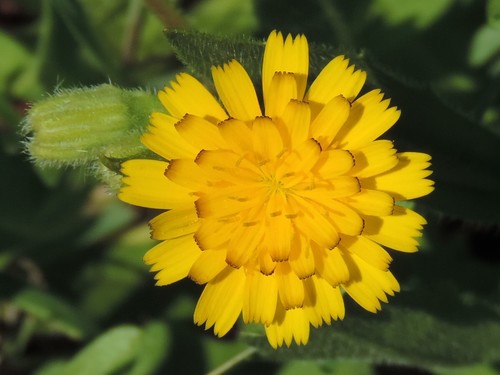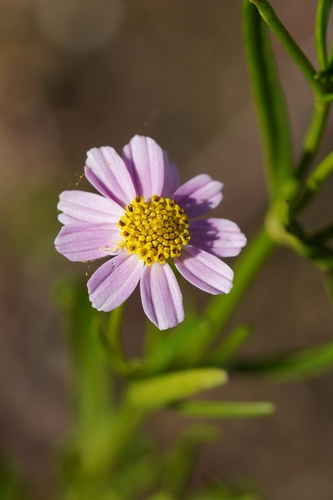
About Lactuca canadensis L.
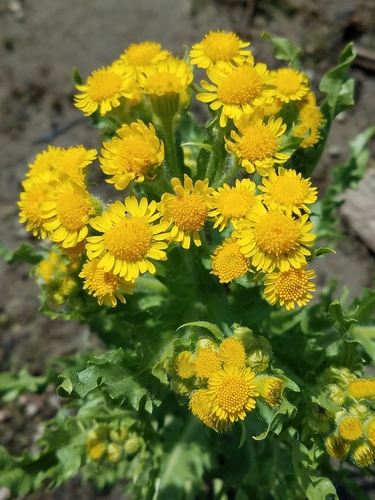
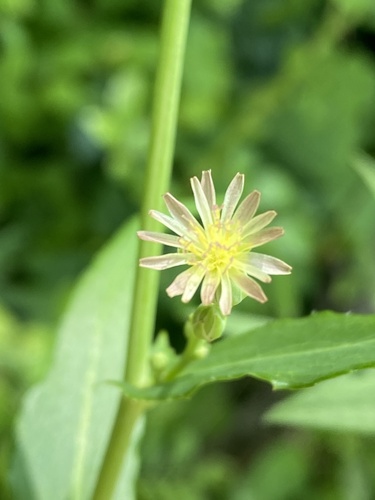
Lactuca canadensis L. is an annual or biennial dicot that has a highly variable appearance, and is often mistaken for a weedy plant. It typically grows 7.6 cm to 20.3 cm tall, but can reach up to 25.4 cm in height, with an overall oblong shape that is wider at the base and tapers to a pointed tip, reaching 7.6 cm across. Its stem is smooth (glabrous), often coated in a pale waxy bloom (glaucous), and ranges in color from light green to reddish green. Its leaves grow in an alternate arrangement. Most leaves have deep pinnate lobes, while smaller leaves have only shallow lobes or no lobes at all. Leaf surfaces range from shiny to dull, and their green color can vary from light to dark, sometimes developing a faint purple or yellow tint. Leaf margins are slightly toothed, and small hairs grow along the veins on the underside of leaves. Its flower heads grow at the apex of the stem, resemble dandelion flower heads, and measure 8mm across. Each plant produces 12 to 25 florets, which are yellowish, or can be slightly red to orange in color. The base of the flower head holds several light green, glabrous floral bracts. Flowers bloom for approximately 3 to 4 weeks in late summer or early fall, and do not produce a noticeable scent. After blooming, flowers are replaced by dark achenes that each have a tuft of white hair. The achene is ovoid, slightly flattened, curved, marked with a longitudinal ridge and possible black spots on either side, and is wind-dispersed. A single plant can bear buds, flowers, and achenes at the same time. It forms a thick, deep taproot that contains white latex that is visible when the root is cut. This species occurs across the entire continental United States, with the exception of Nevada and Arizona, and across most provinces of Canada. It is found commonly in every county of Illinois. It grows in habitats ranging from moist to dry, across a variety of soil types, including black soil, clay, and gravel prairies. It can be found in woodlands, thickets, savannas, lake and river borders, limestone glades, fence rows, pastures, abandoned fields, powerline clearances, roadsides, railroad sides, vacant lots, and waste areas. It is most common in degraded, disturbed habitats, but can also grow in rich, diverse, high-quality habitats. Lactuca canadensis produces lactucarium, the milky white latex that flows through its stems, leaves, and roots. It is used as a medicinal herb when dried after exposure to air. According to the survivalist publication The Lost Ways, fresh leaves of this plant can be used to make an analgesic solution that can be stored for later use. It has been used medicinally for its anodyne, antispasmodic, digestive, diuretic, hypnotic, narcotic, and sedative properties. Lactucarium concentrations are low in young plants, increase as the plant ages, and reach their highest level during the blooming period. The sap can be applied to the skin to treat external warts. It is described as a relaxing, sedative herb used to induce drowsiness and calm restlessness and anxiety. While the standard definition of lactucarium requires production from Lactuca virosa, it is recognized that smaller quantities of lactucarium can be produced in a similar manner from Lactuca sativa and Lactuca canadensis var. elongata, and lettuce-opium from Lactuca serriola or Lactuca quercina is considered superior quality. Lactuca canadensis itself has not been found to be toxic, though other plants in this genus contain a narcotic compound that reaches its highest concentration during the blooming period. Its young leaves and stems are edible, and can be cooked and eaten as greens. For cultivation, this species grows best in moist to slightly dry conditions, in full to partial sun. Loamy soil is preferred for its fertility, but clay-loam and gravelly soils are also tolerated. Plant size varies based on growing conditions, and plants may appear weedy.