About Laburnum alpinum (Mill.) Bercht. & J.Presl
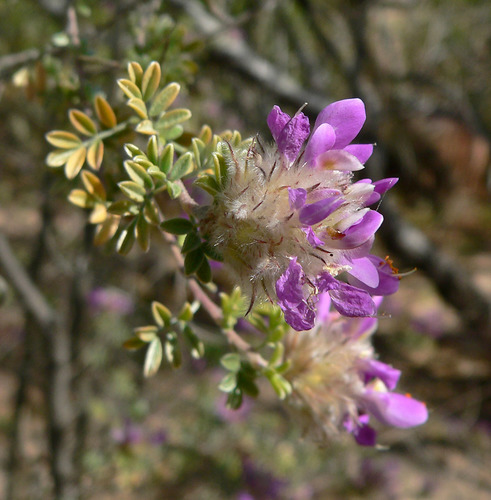
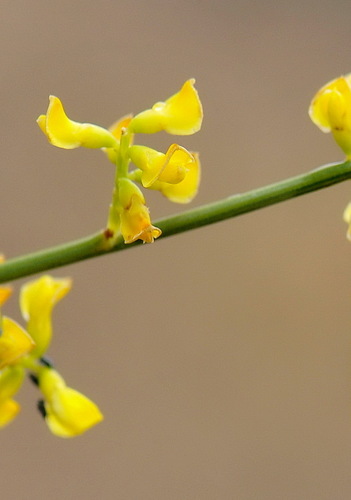
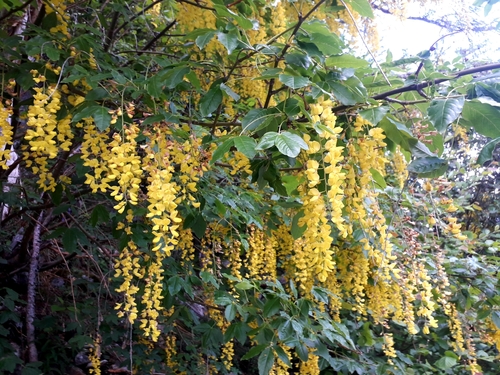
Laburnum alpinum (Mill.) Bercht. & J.Presl is similar to Laburnum anagyroides. It grows quickly, reaching 5 metres (16 ft) in height and 6 metres (20 ft) in spread, and is hardy to zone 5. It blooms from May to June, and its seeds ripen from September to October. Its vanilla-scented, pea-shaped flowers grow in panicles, are hermaphrodite (bearing both male and female organs), and are pollinated by insects. The fruit is a legume pod; seeds are initially green, and turn shiny black as they mature. The leaves of this plant have cholagogue and purgative effects. All parts of the plant are poisonous if consumed in sufficient quantities, so they should not be eaten or used internally. This species is native to Central and Southern Europe, and has become naturalized in several parts of northern Britain. Both Laburnum alpinum and Laburnum anagyroides Medic. are common as garden escapes in Northern Ireland. Laburnum alpinum is cultivated as an ornamental tree. Even quite large specimens of this plant can be successfully transplanted. The most common ornamental Laburnum plant is Laburnum × watereri, a hybrid between this species and Laburnum anagyroides. The plant prefers well-drained, light (sandy) or medium (loamy) soil, but can tolerate heavy clay and nutrient-poor soils. It grows well in acid, neutral, and basic (alkaline) soils, and can grow in either full sun or semi-shade such as that found in light woodland. It can withstand strong winds, but cannot tolerate maritime exposure, and tolerates atmospheric pollution. The plant is notably susceptible to honey fungus. Laburnum alpinum forms a symbiotic relationship with certain soil bacteria: these bacteria form nodules on the plant's roots and fix atmospheric nitrogen. Some of this fixed nitrogen is used by the growing plant, while some is also available for use by other plants growing nearby.