Plants — 23,508 Species
Top Families in Plants
All Plants Species
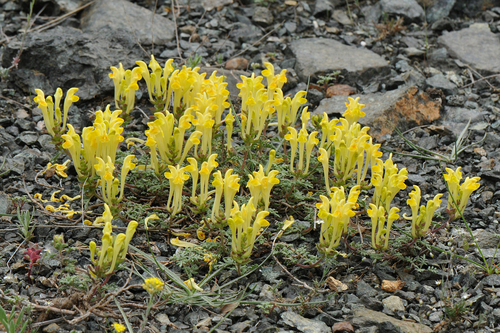
yellow-flowered skull cap
Scutellaria orientalis L.
Scutellaria orientalis L. is a deciduous woody-based alpine plant with dense yellow hooded summer flowers, hardy to USDA Zone 5.
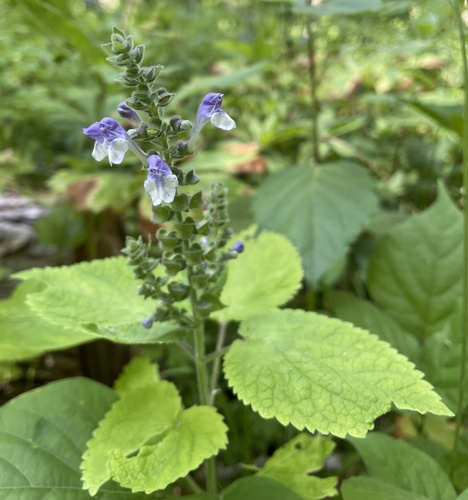
Heart-leaved Skullcap
Scutellaria ovata Hill
Scutellaria ovata Hill is an 80 cm tall erect perennial with blue terminal raceme flowers from May to October.
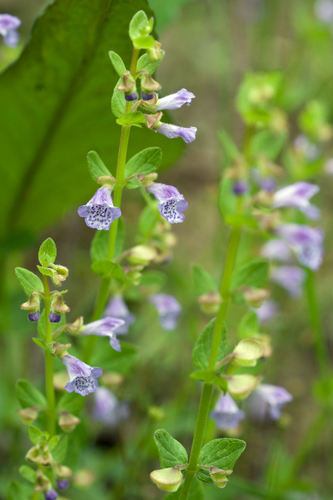
small skullcap
Scutellaria parvula Michx.
Scutellaria parvula (small skullcap) is a mint family species native to eastern and central North America.
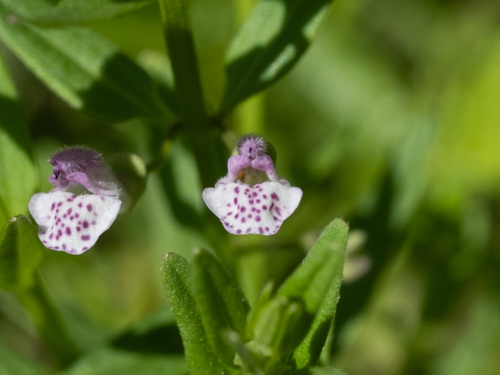
South American Skullcap
Scutellaria racemosa Pers.
Scutellaria racemosa is a small mint-family herb native to parts of North America, growing in open well-drained habitats.
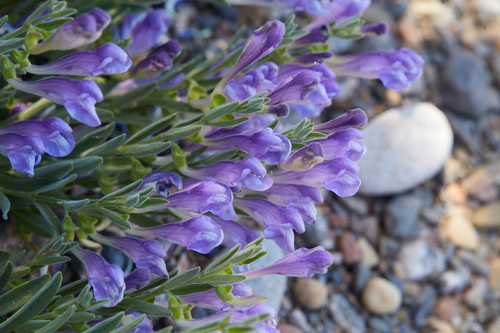
Grayleaf Skullcap
Scutellaria siphocampyloides Vatke
Scutellaria siphocampyloides, grayleaf skullcap, is a California-endemic perennial mint that grows in non-desert non-Central Valley habitats.
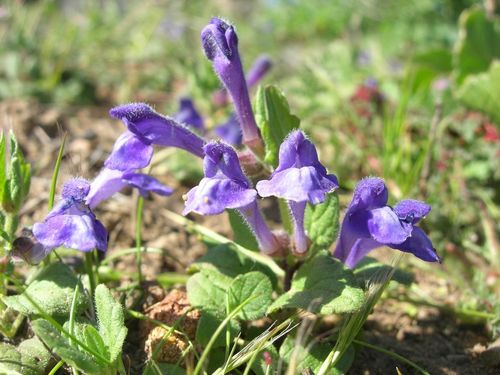
blue skullcap
Scutellaria tuberosa Benth.
Scutellaria tuberosa is a perennial herb native to western North America, found in diverse low-elevation habitats, most often dry chaparral and oak woodland.
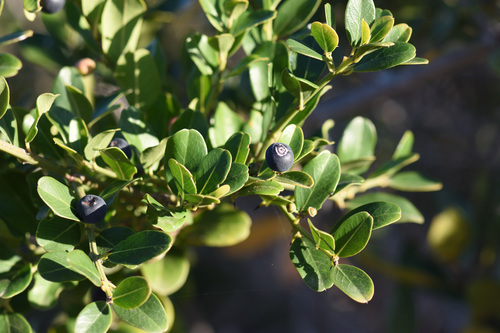
cat-thorn
Scutia myrtina (Burm.fil.) Kurz
Scutia myrtina, commonly called cat-thorn, is a variable African and Asian plant with characteristic recurved thorns.
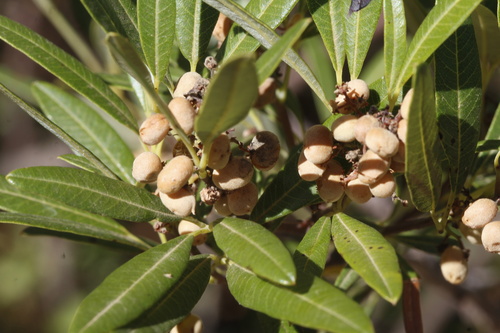
Willow Karee
Searsia angustifolia (L.) F.A.Barkley
Searsia angustifolia, or willow karee, is a berry-producing multi-stemmed bush native to South Africa’s Western Cape.
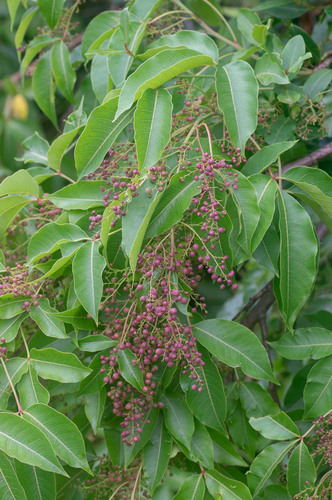
Red Currant-rhus
Searsia chirindensis (Baker fil.) Moffett
Searsia chirindensis is a Southern African dioecious tree with bark extracts that may help treat convulsions and epilepsy.
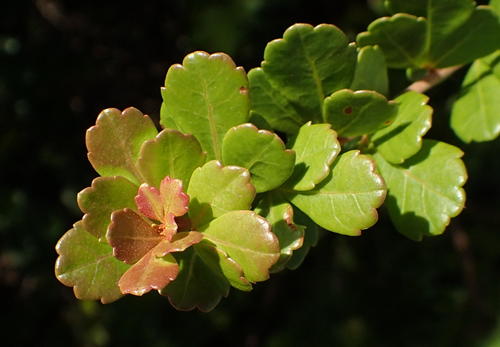
Crowberry
Searsia crenata (Thunb.) Moffett
Searsia crenata is an evergreen shrub or small tree native to coastal South African sand dunes, used in bonsai and hedges.
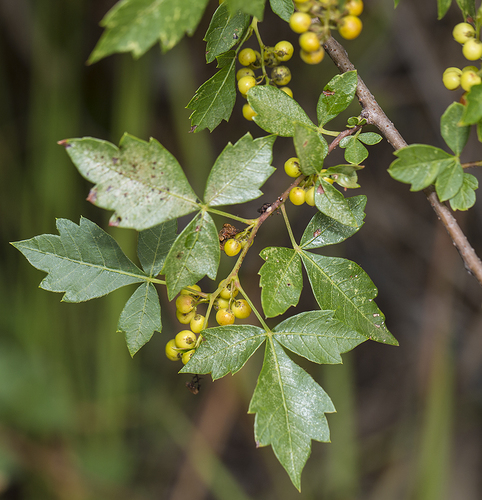
Nana Kunirhus
Searsia dentata (Thunb.) F.A.Barkley
Searsia dentata is a deciduous South African tree that produces small fruits eaten by birds.
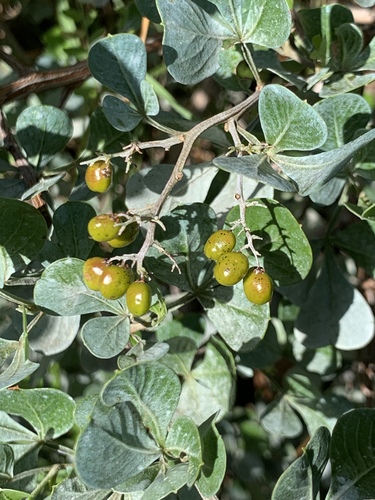
Blue Kunibush
Searsia glauca (Thunb.) Moffett
Searsia glauca is a dioecious plant native to parts of South Africa and Zimbabwe with characteristic trifoliate leaves.
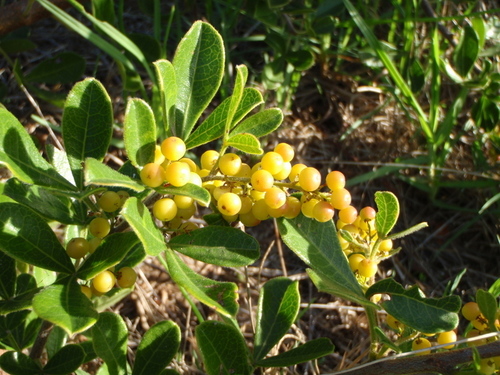
Dune Currantrhus
Searsia laevigata (L.) F.A.Barkley
Searsia laevigata is a South African plant that occurs in primarily coastal habitats, with one hairless variety ranging inland.
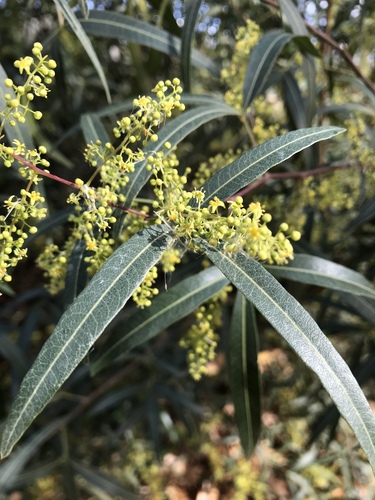
african sumac
Searsia lancea (L.fil.) F.A.Barkley
Searsia lancea is a dioecious weeping tree from southern Africa with edible fruits used historically to make beer.
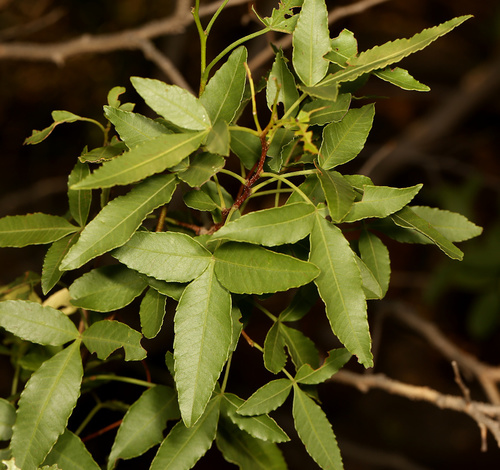
Mountain Karree
Searsia leptodictya (Diels) T.S.Yi, A.J.Mill. & J.Wen
Searsia leptodictya (mountain karee) is a small hardy evergreen tree valued for gardens, with bird-attracting berries that can be brewed into beer.
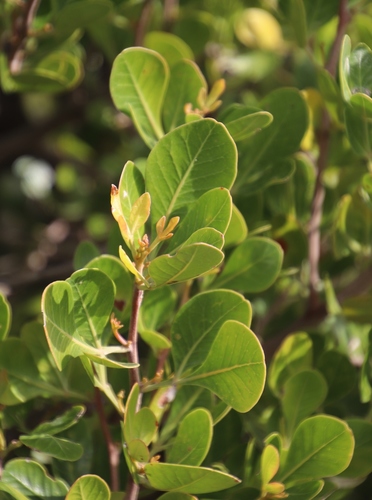
Glossy Currantrhus
Searsia lucida (L.) F.A.Barkley
Searsia lucida is a small shrub or tree native to southern Africa, with shiny leaves, creamy-white flowers, and bird-eaten brown fruits.
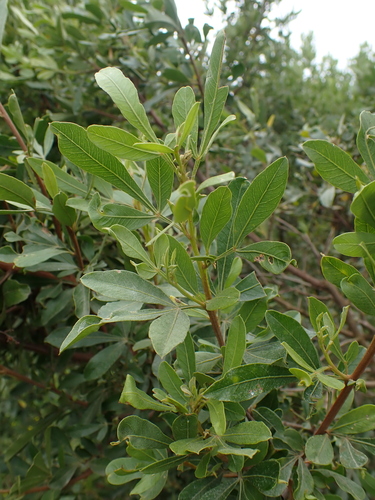
Ribbed Kunirhus
Searsia pallens (Eckl. & Zeyh.) Moffett
Searsia pallens is a native shrub from southern Africa, a flowering plant in the Anacardiaceae family.
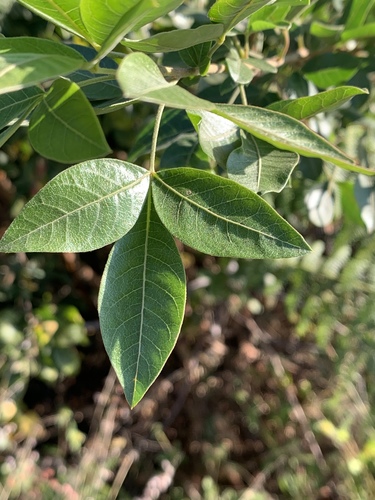
Common currant-rhus
Searsia pyroides (Burch.) Moffett
Searsia pyroides, commonly called currant-rhus, is a variable deciduous hardy tree native to southern Africa.
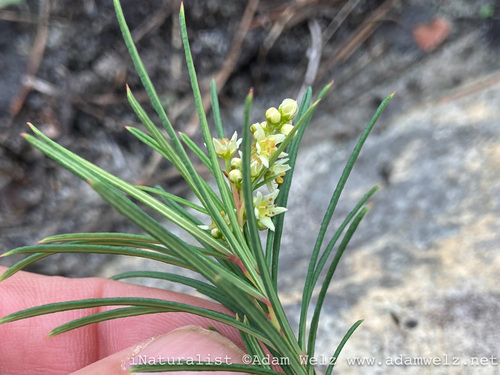
Rosemary Currentrhus
Searsia rosmarinifolia (Vahl) F.A.Barkley
Searsia rosmarinifolia is a fynbos-dwelling flowering shrub native to South Africa's Cape Provinces.
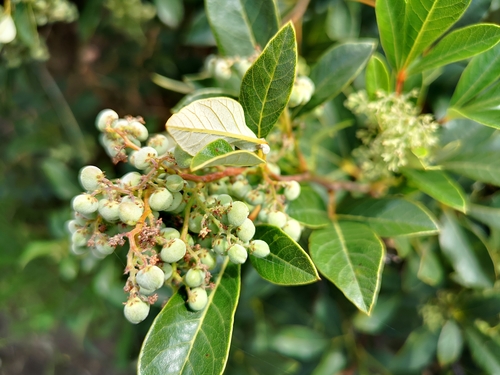
Wild currant
Searsia tomentosa (L.) F.A.Barkley
Searsia tomentosa, the real wild currant, is a small bushy evergreen tree native to southern Africa, grown internationally for its multi-coloured foliage.
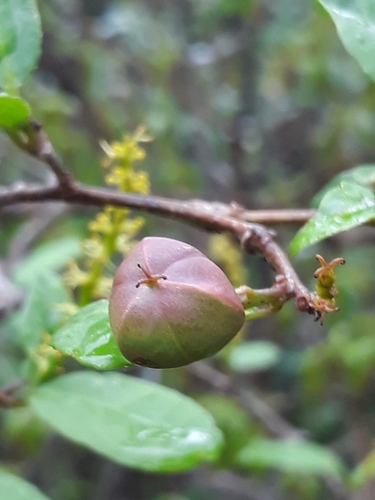
Sebastiania brasiliensis Spreng.
Sebastiania brasiliensis Spreng.
Sebastiania brasiliensis is a 1821-described Euphorbiaceae flowering plant native to northern South America.
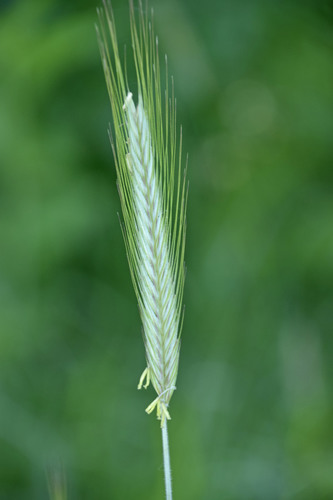
rye
Secale cereale L.
Secale cereale L. (rye) is a cultivated cereal grass grown for grain, forage, and various other uses.

Monkey Rope
Secamone alpini Schult.
Secamone alpini is an Apocynaceae forest creeper native to afro-montane forests of eastern and southern Africa.
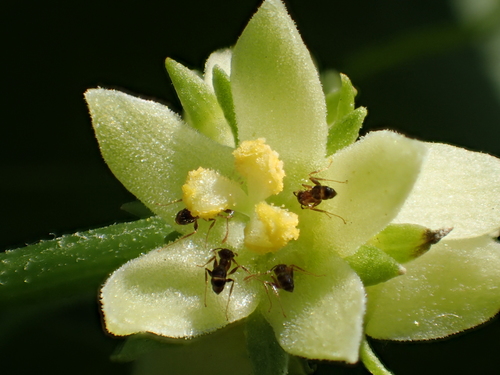
Chayote
Sechium edule (Jacq.) Sw.
Sechium edule (chayote) is an edible gourd vine with many cultivated regions and edible plant parts.
Start Exploring Nature Today
Download iNature for free. 10 identifications on us. No account needed. No credit card required.
Scan with iPhone camera
Scan with Android camera


