Plants — 23,508 Species
Top Families in Plants
All Plants Species
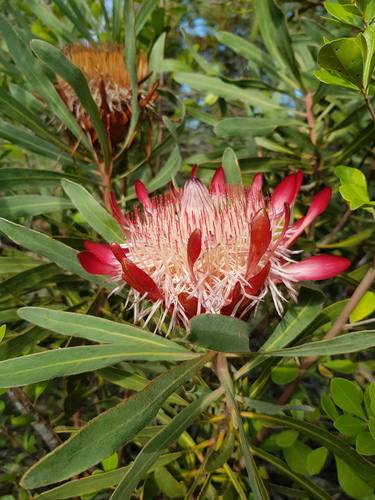
stink-leaf sugarbush
Protea susannae E.Phillips
Protea susannae (stink-leaf sugarbush) is a flowering endemic South African shrub that blooms from April to September.
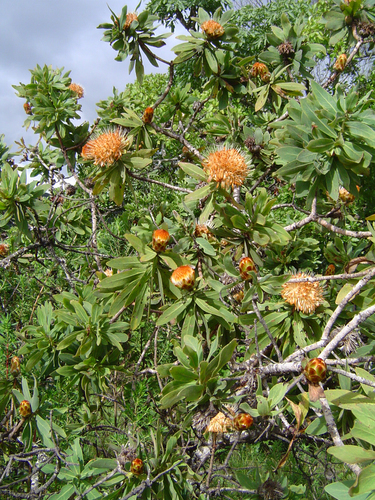
Dwarf Savanna Sugarbush
Protea welwitschii Engl.
Protea welwitschii is a flowering shrub or small tree native to southeastern sub-Saharan Africa, adapted to periodic wildfires.
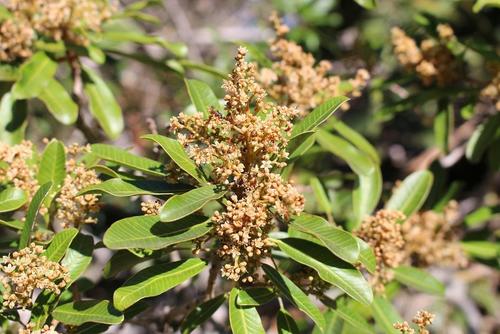
Red beech
Protorhus longifolia (Bernh.) Engl.
Protorhus longifolia, or red beech, is a native South African/Eswatini tree with a range of traditional human uses and wildlife value.
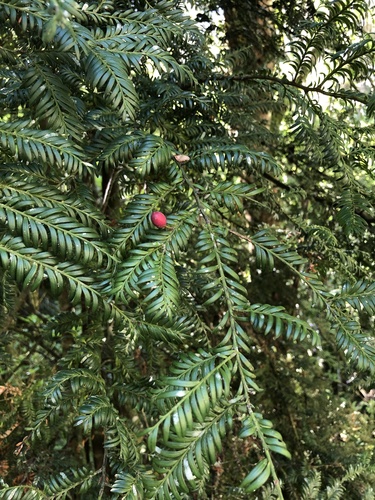
Miro
Prumnopitys ferruginea (G.Benn. ex D.Don) de Laub.
Prumnopitys ferruginea (miro) is a dioecious evergreen conifer endemic to New Zealand, valued by Māori for medicine and food.
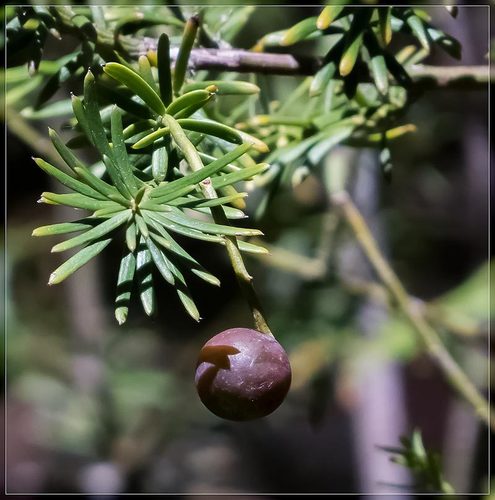
Mataī
Prumnopitys taxifolia (Banks & Sol. ex D.Don) de Laub.
Prumnopitys taxifolia is a heteroblastic dioecious evergreen conifer endemic to New Zealand.
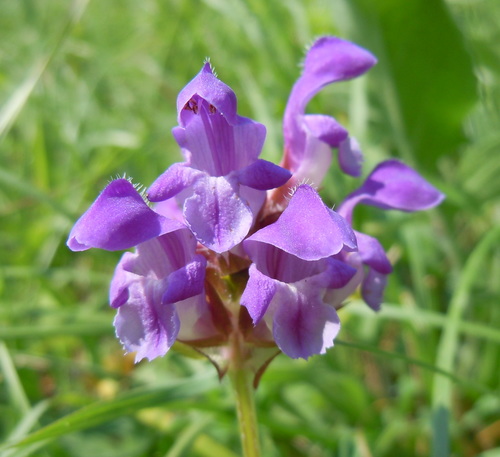
Large Self-heal
Prunella grandiflora (L.) Turra
Prunella grandiflora, large-flowered selfheal, is a Lamiaceae flowering plant native to Europe and adjacent West Asia.
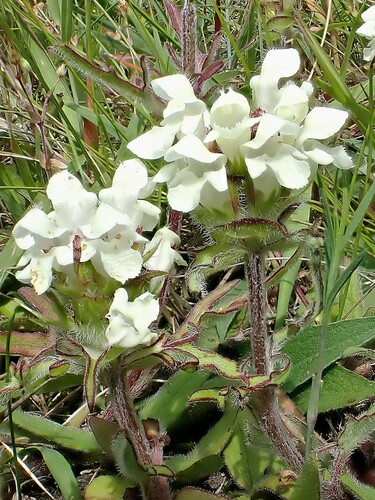
Cut-leaved Selfheal
Prunella laciniata (L.) L.
Prunella laciniata, cutleaf selfheal, is a Lamiaceae plant that forms hybrids with two other Prunella species.
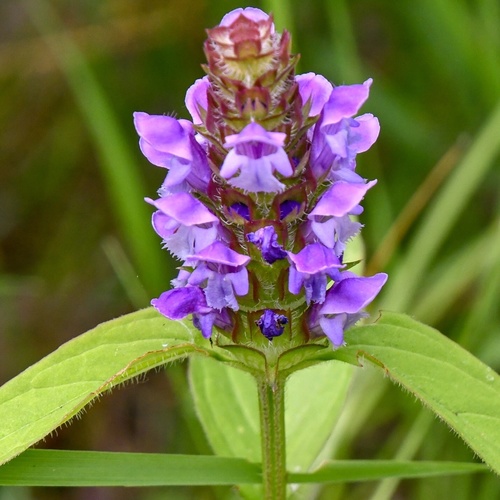
common selfheal
Prunella vulgaris L.
Prunella vulgaris (self-heal) is a widespread perennial herb with edible leaves and traditional medicinal uses.
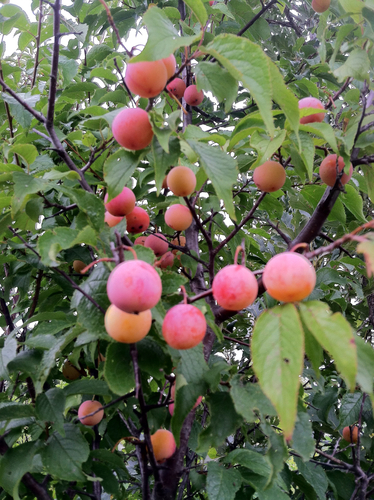
American plum
Prunus americana Marshall
Prunus americana, the American plum, is a small tree or large shrub grown for ornamental, culinary and conservation uses.
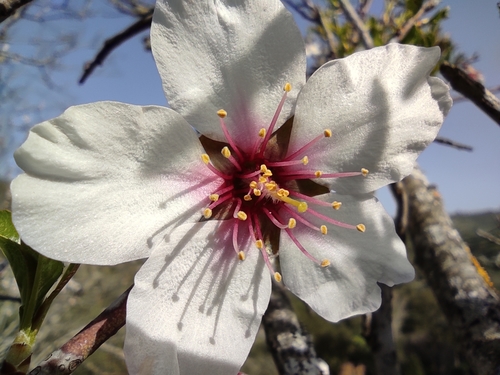
Almond
Prunus amygdalus Batsch
Prunus amygdalus Batsch, the almond, is a deciduous tree cultivated for its widely eaten edible drupe seed.
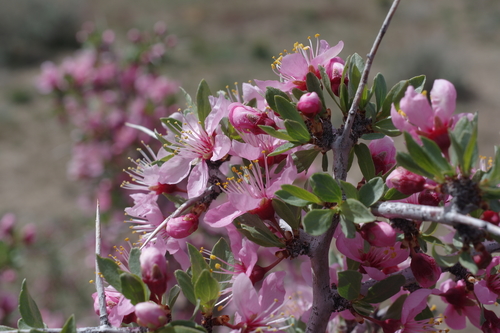
Desert Peach
Prunus andersonii A.Gray
Prunus andersonii is a deciduous flowering shrub native to western US mountains and deserts, with edible fruit used by Native Americans.
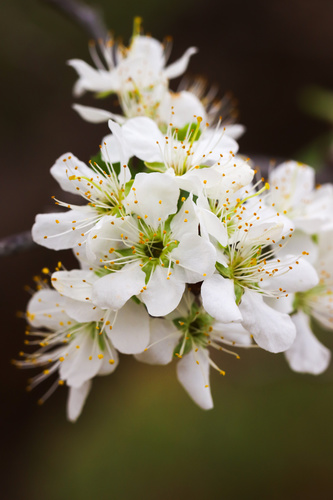
Chickasaw plum
Prunus angustifolia Marshall
Prunus angustifolia, or Chickasaw plum, is a small North American plum tree with edible tart fruit used ornamentally and for bonsai.
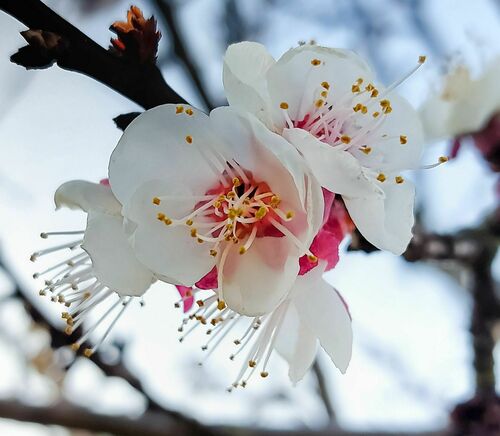
apricot
Prunus armeniaca L.
Prunus armeniaca L. (apricot) is a small stone fruit tree with widely used edible fruit and kernels.
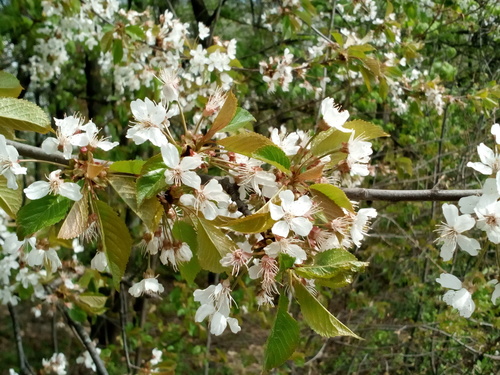
wild cherry
Prunus avium (L.) L.
Prunus avium, the wild cherry, is a deciduous tree native to Eurasia and North Africa, widely cultivated and naturalized elsewhere.
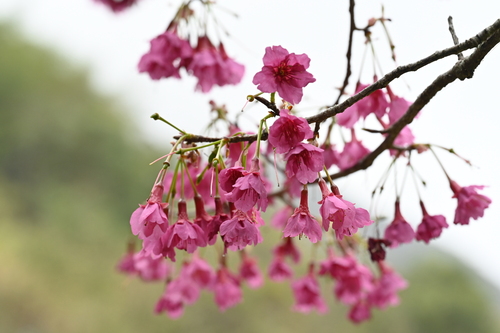
Taiwan Cherry
Prunus campanulata Maxim.
Prunus campanulata is an early-blooming ornamental cherry native to East and Southeast Asia.
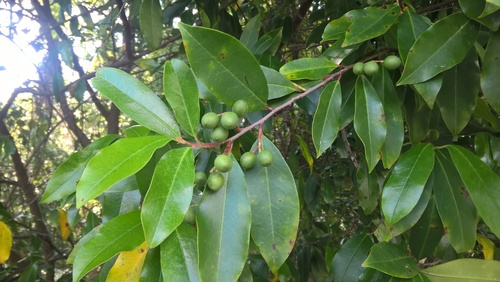
Carolina laurelcherry
Prunus caroliniana (Mill.) Aiton
Prunus caroliniana is a small to medium evergreen tree native to the US Atlantic region, toxic to some animals and used ornamentally.
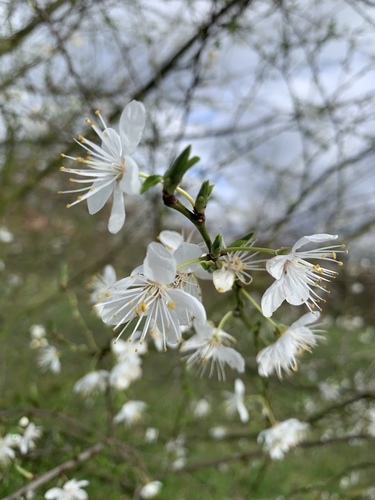
Cherry-plum
Prunus cerasifera Ehrh.
Prunus cerasifera (cherry plum) is an early-flowering deciduous tree grown ornamentally, with edible fruit used in cooking.
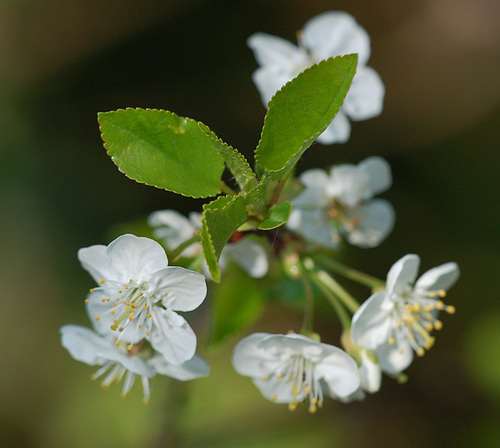
Sour Cherry
Prunus cerasus L.
Prunus cerasus L. (sour cherry) is a smaller, more acidic relative of sweet cherry with a long history of cultivation and specific growing practices.
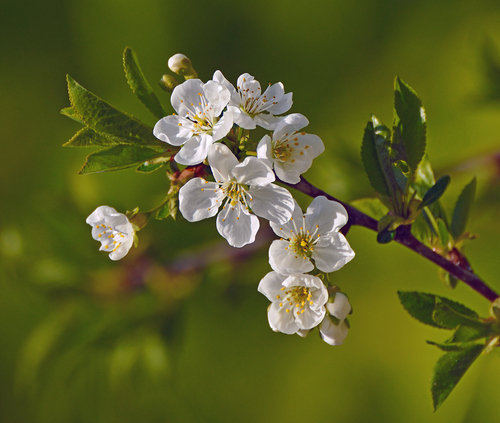
Plum
Prunus domestica L.
Prunus domestica L. is a fruiting plant commonly grown for the plums and dried prunes it produces.
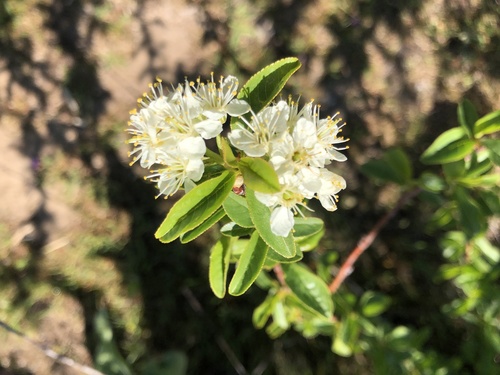
Bitter cherry
Prunus emarginata (Douglas ex Hook.) Eaton
Prunus emarginata is a North American deciduous shrub/tree with bitter cherries, used by Indigenous peoples for crafts and medicine.
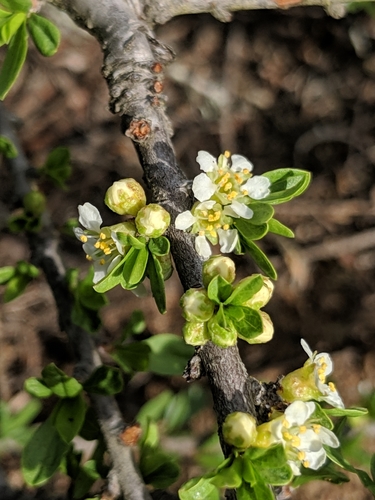
Desert Almond
Prunus fasciculata (Torr.) A.Gray
Prunus fasciculata is a dioecious desert shrub native to western North America, with traditional uses by Native American groups.
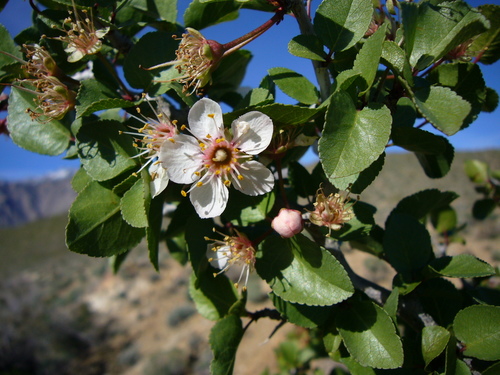
Desert Apricot
Prunus fremontii S.Watson
Prunus fremontii is a deciduous North American shrub/tree whose fruits are important food for local Native American groups.
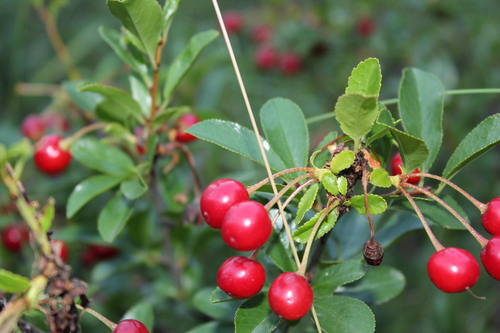
Ground Cherry
Prunus fruticosa Pall.
Prunus fruticosa Pall. is a hardy steppe shrub with edible tart fruit, used for food, cultivation, and ecological projects.
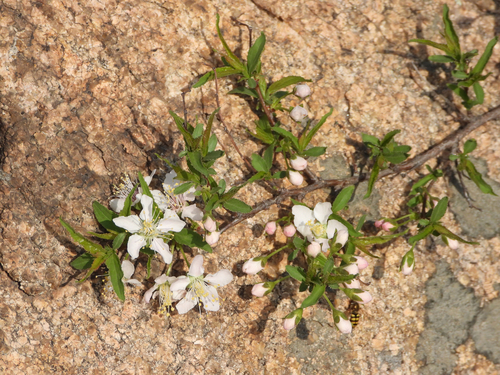
Chinese dwarf cherry
Prunus humilis Bunge
Prunus humilis Bunge is an edible-fruited bush cherry native to northern China, with closest relative Prunus dictyoneura.
Start Exploring Nature Today
Download iNature for free. 10 identifications on us. No account needed. No credit card required.
Scan with iPhone camera
Scan with Android camera


