Animals — 36,937 Species
Top Families in Animals
All Animals Species

Petrochelidon fulva (Vieillot, 1808)
Petrochelidon fulva (Vieillot, 1808)
Petrochelidon fulva, the cave swallow, is a small swallow with five subspecies across the Americas, with expanding North American populations using man-made nesting sites.
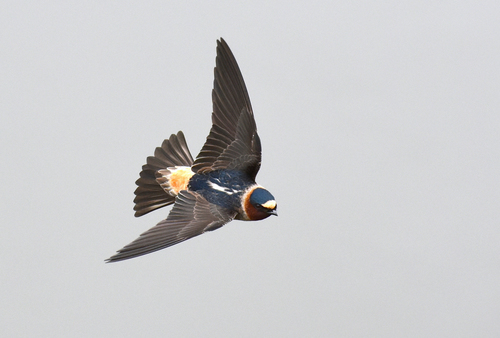
Petrochelidon pyrrhonota (Vieillot, 1817)
Petrochelidon pyrrhonota (Vieillot, 1817)
This is a full description of the cliff swallow (Petrochelidon pyrrhonota), covering its appearance, distribution, habitat, and reproduction.
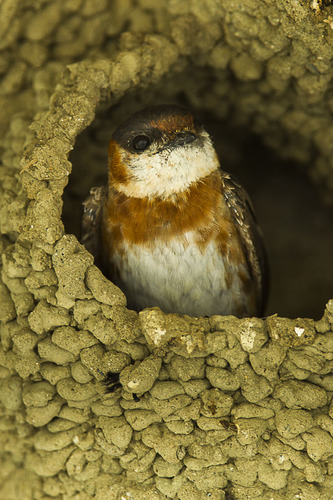
Petrochelidon rufocollaris (Peale, 1848)
Petrochelidon rufocollaris (Peale, 1848)
Chestnut-collared swallow (Petrochelidon rufocollaris) is a small swallow found in western South America, with two distinct subspecies.
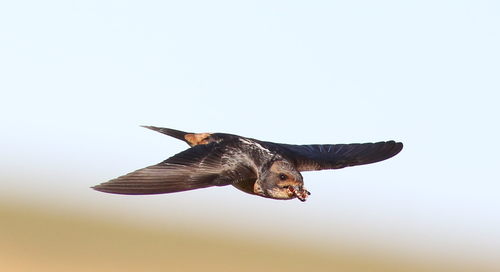
Petrochelidon spilodera (Sundevall, 1850)
Petrochelidon spilodera (Sundevall, 1850)
Petrochelidon spilodera, the South African cliff swallow, is a Hirundinidae bird native to southern Africa, known for a fictional coconut-carrying claim from Monty Python.
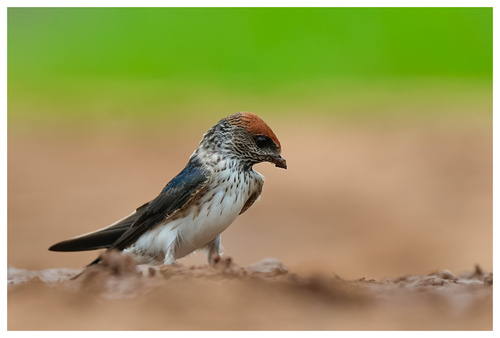
Petrochelidon fluvicola (Blyth, 1855)
Petrochelidon fluvicola (Blyth, 1855)
Petrochelidon fluvicola, the streak-throated swallow, is a small resident South Asian bird that nests colonially and eats flying insects.
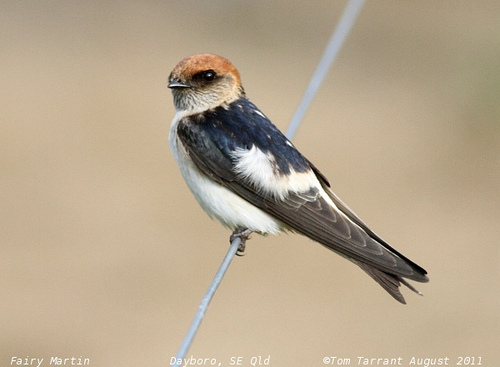
Petrochelidon ariel (Gould, 1842)
Petrochelidon ariel (Gould, 1842)
This is a description of the fairy martin Petrochelidon ariel, covering its appearance, vocalizations, and post-breeding nest use by microbats.
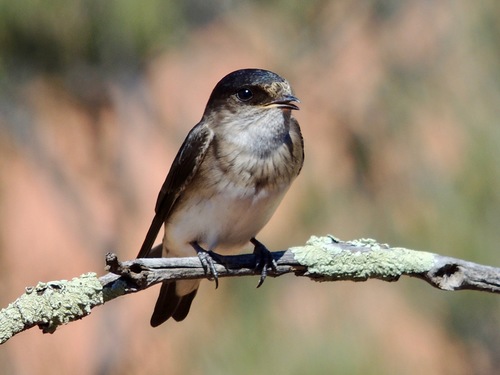
Petrochelidon nigricans (Vieillot, 1817)
Petrochelidon nigricans (Vieillot, 1817)
Petrochelidon nigricans, the tree martin, is a small Australian swallow with distinct plumage and vocalizations.
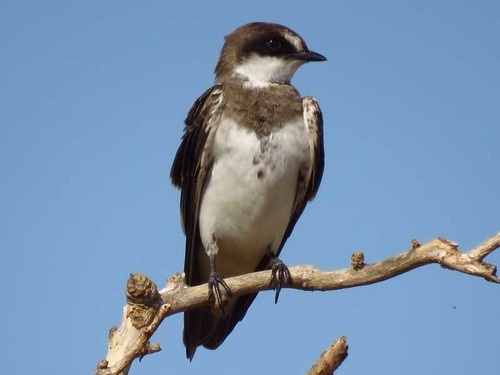
Riparia cincta (Boddaert, 1783)
Riparia cincta (Boddaert, 1783)
Riparia cincta, the banded martin, is an African insectivorous bird distinguished by a dark brown breast band.
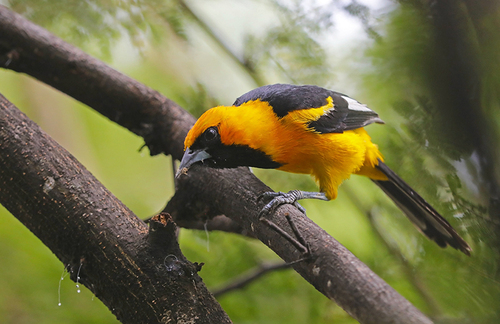
Icterus graceannae Cassin, 1867
Icterus graceannae Cassin, 1867
Icterus graceannae is a species named in 1867 by John Cassin to honor American female ornithologist Graceanna Lewis.
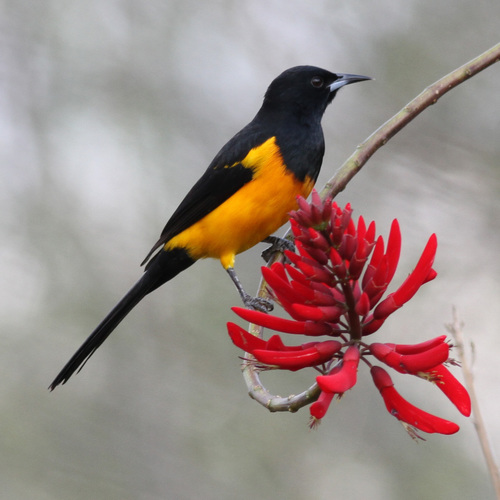
Icterus wagleri P.L.Sclater, 1857
Icterus wagleri P.L.Sclater, 1857
Black-vented oriole (Icterus wagleri) is an Icteridae bird species found across parts of North and Central America.
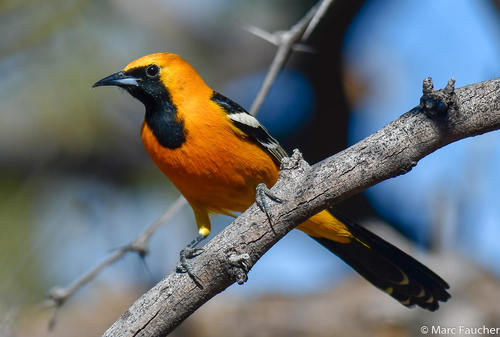
Icterus cucullatus Swainson, 1827
Icterus cucullatus Swainson, 1827
Icterus cucullatus is a New World oriole with five distinct subspecies varying in color and distribution across North and Central America.
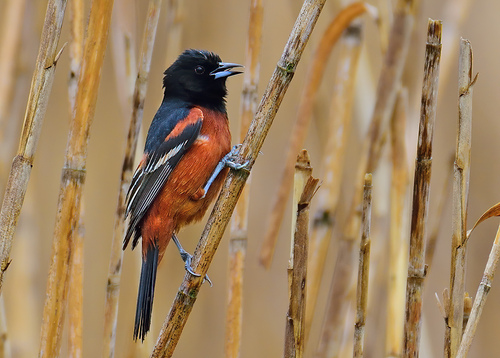
Icterus spurius (Linnaeus, 1766)
Icterus spurius (Linnaeus, 1766)
Icterus spurius, or the orchard oriole, is a small New World blackbird with two recognized subspecies that breed in North and Central America.
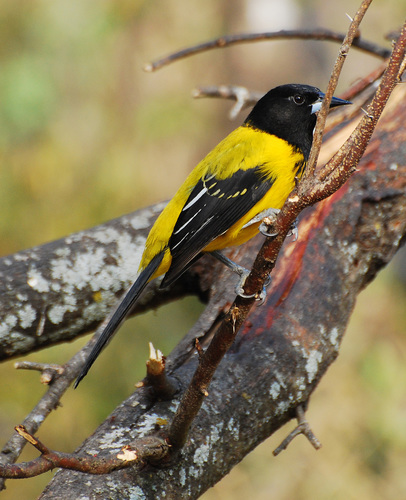
Icterus graduacauda Lesson, 1839
Icterus graduacauda Lesson, 1839
Icterus graduacauda, Audubon's oriole, has sex- and age-based plumage differences, specific nesting traits, and is parasitized by brown-headed cowbirds.
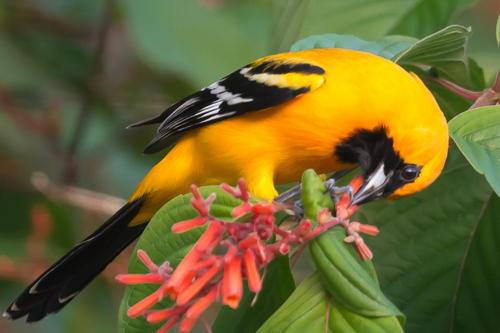
Icterus auratus Bonaparte, 1850
Icterus auratus Bonaparte, 1850
Icterus auratus, the orange oriole, is a non-migratory bird endemic to Mexican lowlands with distinct male and female plumage.
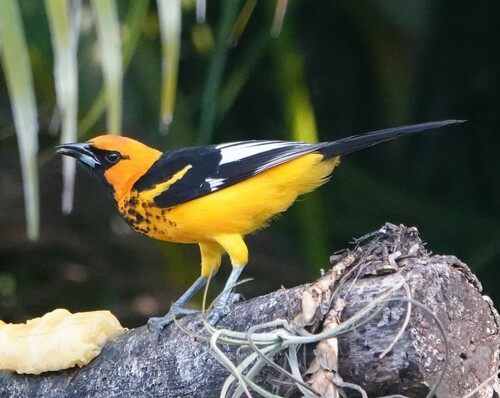
Icterus pectoralis (Wagler, 1829)
Icterus pectoralis (Wagler, 1829)
Icterus pectoralis, the spot-breasted oriole, is a mid-sized Icteridae songbird native to Pacific Central America with an introduced Florida population.
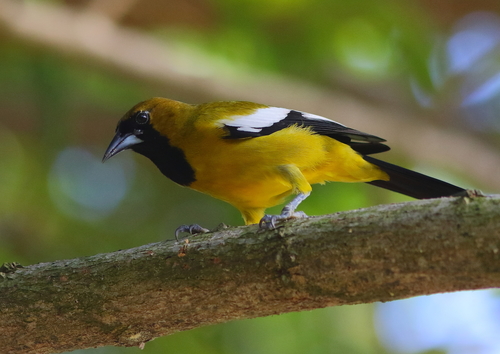
Icterus leucopteryx (Wagler, 1827)
Icterus leucopteryx (Wagler, 1827)
Icterus leucopteryx, the Jamaican oriole, is an icterid bird found in Jamaica and Colombia's San Andrés, extinct on Grand Cayman.
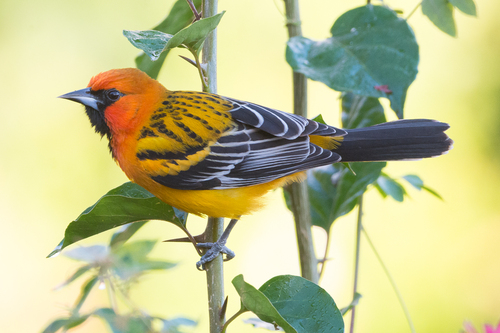
Icterus pustulatus (Wagler, 1829)
Icterus pustulatus (Wagler, 1829)
Icterus pustulatus, the streak-backed oriole, is a medium icterid native to Mexico and Central America, occasional in the Southwestern US.
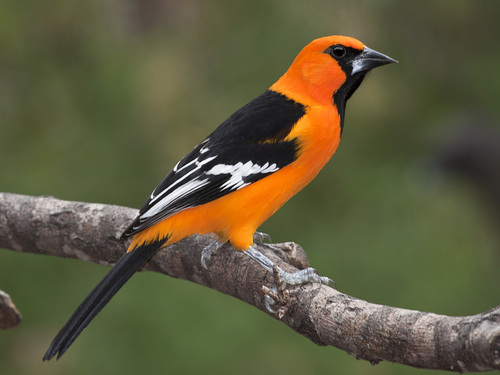
Icterus gularis (Wagler, 1829)
Icterus gularis (Wagler, 1829)
Icterus gularis is a bird with distinct plumage patterns, breeding in Texas from late April to July.
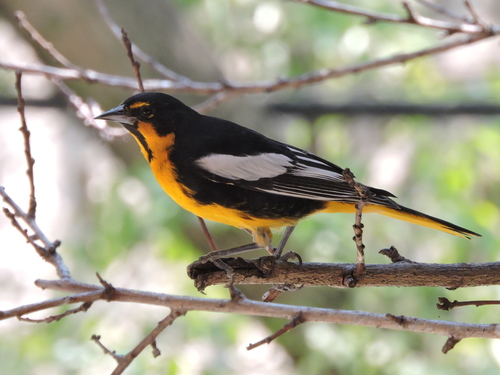
Icterus abeillei (Lesson, 1839)
Icterus abeillei (Lesson, 1839)
Black-backed oriole is an Icteridae bird endemic to Mexico that can tolerate monarch butterfly poison.
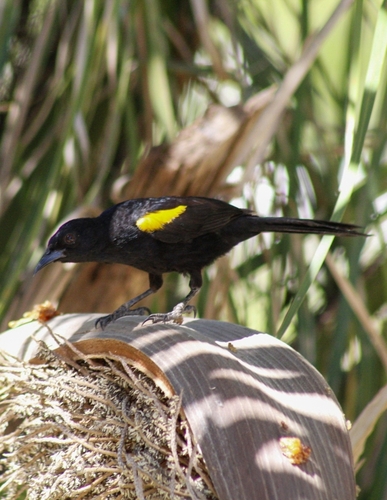
Icterus cayanensis (Linnaeus, 1766)
Icterus cayanensis (Linnaeus, 1766)
Icterus cayanensis, the epaulet oriole, is an Icteridae bird species found across multiple South American countries.
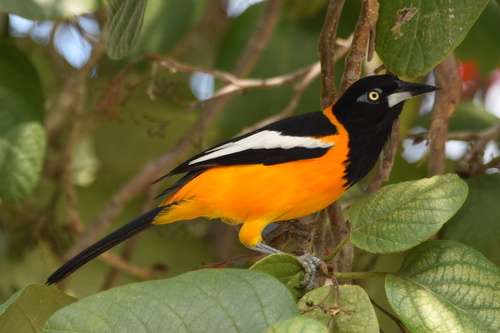
Icterus icterus (Linnaeus, 1766)
Icterus icterus (Linnaeus, 1766)
Venezuelan troupial (Icterus icterus) is a fairly large bird with distinct plumage, found in dry Neotropical habitats with a varied diet.
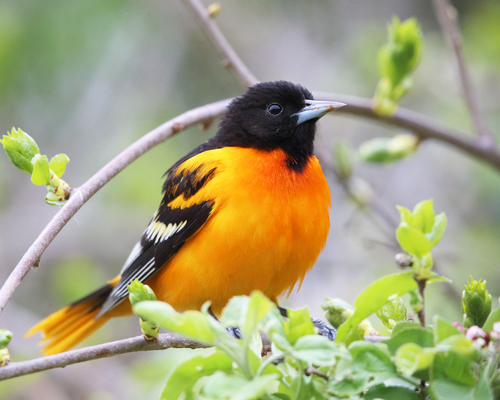
Icterus galbula (Linnaeus, 1758)
Icterus galbula (Linnaeus, 1758)
Icterus galbula (Baltimore oriole) is a medium-sized migratory North American icterid that has experienced recent breeding population declines.
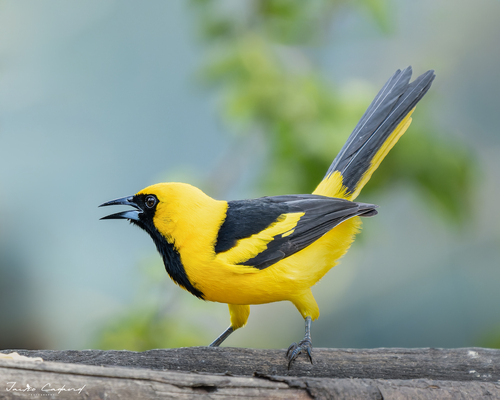
Icterus mesomelas (Wagler, 1829)
Icterus mesomelas (Wagler, 1829)
Icterus mesomelas, the yellow-tailed oriole, is a New World passerine bird ranging from southern Mexico to western Peru and Venezuela.
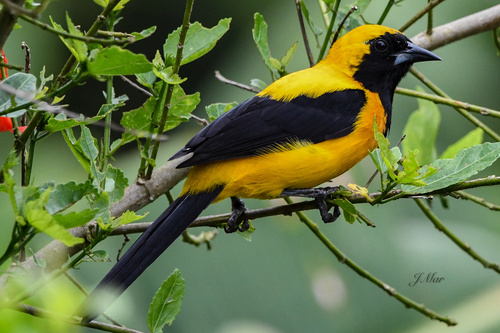
Icterus chrysater (Lesson, 1844)
Icterus chrysater (Lesson, 1844)
Icterus chrysater, the yellow-backed oriole, is a medium-sized oriole found in Central and northern South America.
Start Exploring Nature Today
Download iNature for free. 10 identifications on us. No account needed. No credit card required.
Download Free on App Store
