Animals — 36,937 Species
Top Families in Animals
All Animals Species
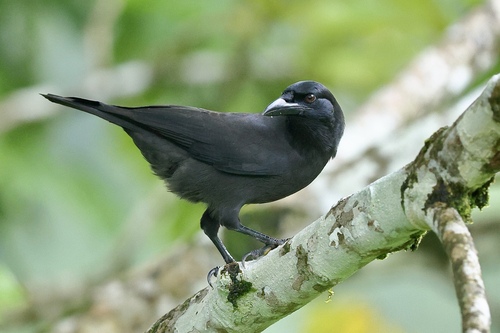
Corvus jamaicensis Gmelin, 1788
Corvus jamaicensis Gmelin, 1788
Corvus jamaicensis is a non-glossy sooty-grey crow endemic to Jamaica, found in Jamaican woodlands and gardens.
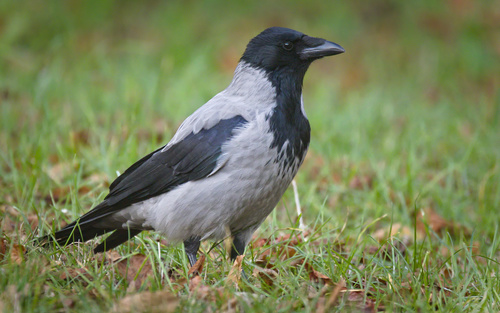
Corvus cornix Linnaeus, 1758
Corvus cornix Linnaeus, 1758
Corvus cornix, the hooded crow, is a distinct grey-and-black crow species found across Europe and western Asia.
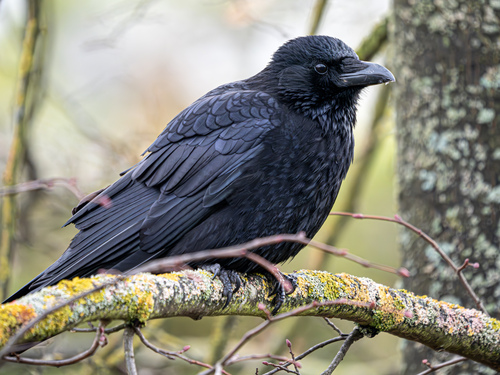
Corvus corone Linnaeus, 1758
Corvus corone Linnaeus, 1758
Corvus corone (carrion crow) is an all-black corvid with detailed documented genetics, behaviour, and ecological traits.
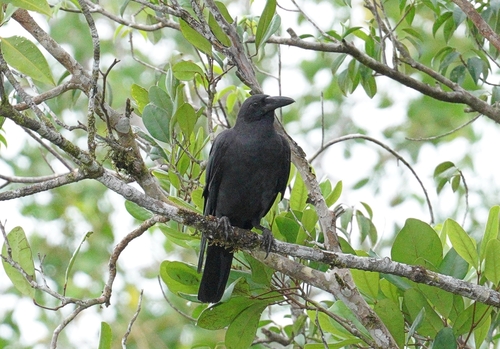
Corvus enca (Horsfield, 1821)
Corvus enca (Horsfield, 1821)
The Sunda crow (Corvus enca) is a passerine corvid bird found in Southeast Asian forests that eats fish and shrimp.
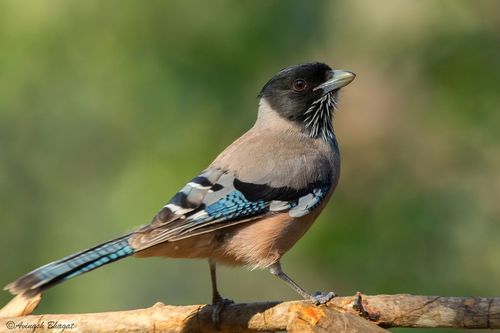
Garrulus lanceolatus Vigors, 1831
Garrulus lanceolatus Vigors, 1831
Garrulus lanceolatus, the black-headed jay, is a non-migratory bird related to the Eurasian jay that lives in the Himalayan region.
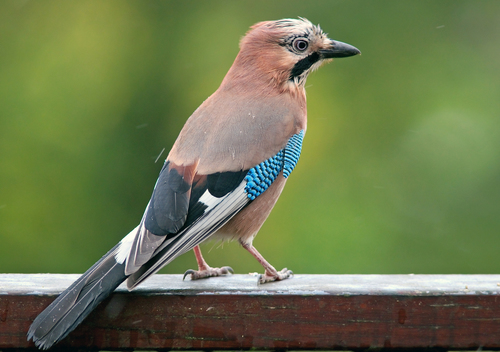
Garrulus glandarius (Linnaeus, 1758)
Garrulus glandarius (Linnaeus, 1758)
Garrulus glandarius, the Eurasian jay, is a small corvid key to spreading oak trees across Europe.
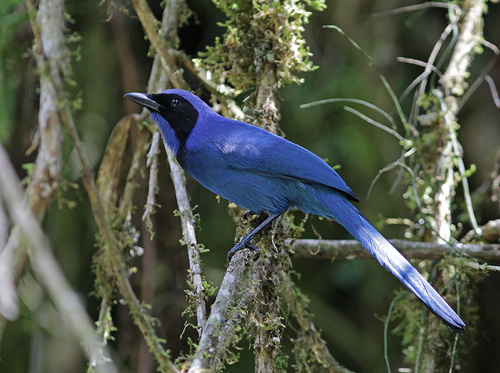
Cyanolyca armillata (G.R.Gray, 1845)
Cyanolyca armillata (G.R.Gray, 1845)
The black-collared jay is a ~30cm jay with three subspecies distributed across Andean forests of northwestern South America.
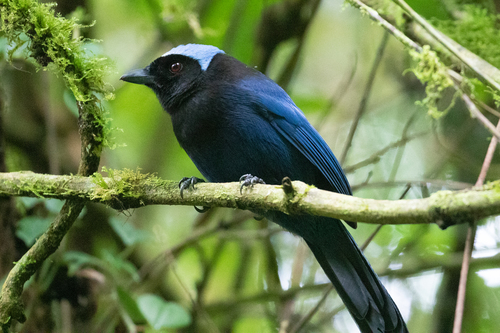
Cyanolyca cucullata (Ridgway, 1885)
Cyanolyca cucullata (Ridgway, 1885)
The azure-hooded jay (Cyanolyca cucullata) is a secretive Central American corvid with distinct blue plumage.
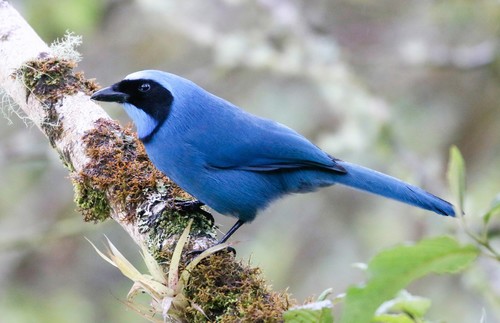
Cyanolyca turcosa (Bonaparte, 1853)
Cyanolyca turcosa (Bonaparte, 1853)
Cyanolyca turcosa, the turquoise jay, is a South American Andean corvid currently rated as least concern conservationally.
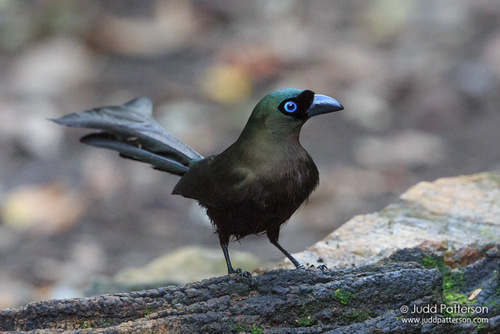
Crypsirina temia (Daudin, 1800)
Crypsirina temia (Daudin, 1800)
The racket-tailed treepie (Crypsirina temia) is an Asian corvid bird found across Southeast Asia with distinctive black and green plumage.
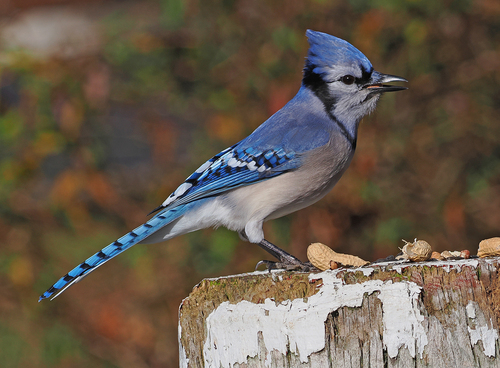
Cyanocitta cristata (Linnaeus, 1758)
Cyanocitta cristata (Linnaeus, 1758)
This is a detailed description of blue jay (Cyanocitta cristata) covering its morphology, range, and reproduction.
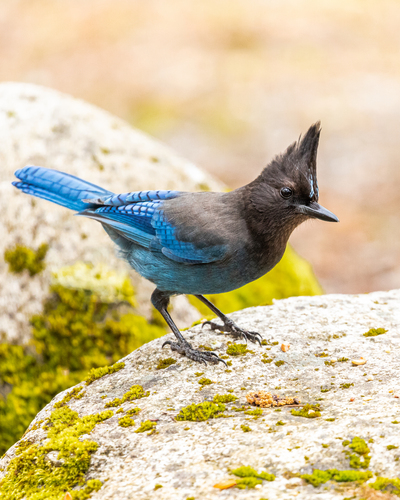
Cyanocitta stelleri (Gmelin, 1788)
Cyanocitta stelleri (Gmelin, 1788)
Steller's jay (Cyanocitta stelleri) is a variably plumaged North and Central American jay found mainly in western coniferous forests.
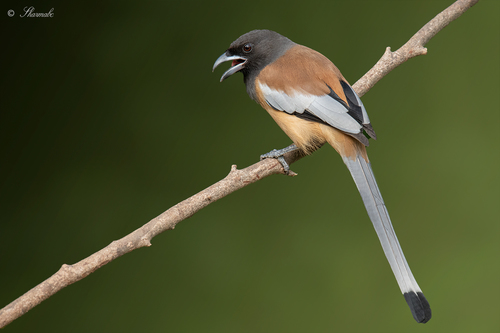
Dendrocitta vagabunda (Latham, 1790)
Dendrocitta vagabunda (Latham, 1790)
Dendrocitta vagabunda, the rufous treepie, is a long-tailed Asian bird with cinnamon body plumage and recognized regional subspecies.
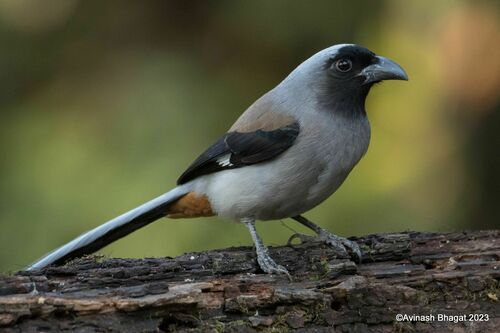
Dendrocitta formosae Swinhoe, 1863
Dendrocitta formosae Swinhoe, 1863
The grey treepie is a medium-sized corvid found across South and East Asia, with distinct grey body plumage and multiple recognized subspecies.
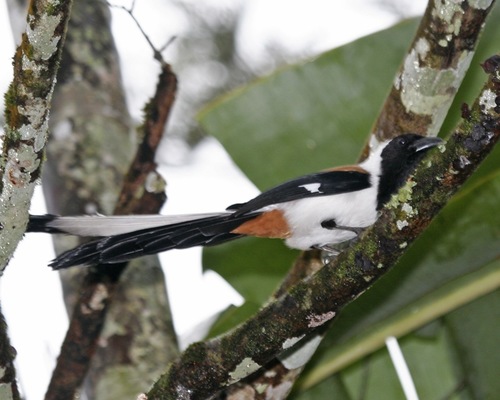
Dendrocitta leucogastra Gould, 1833
Dendrocitta leucogastra Gould, 1833
Dendrocitta leucogastra (white-bellied treepie) is a bird species native to the Western Ghats of India with specific described traits and behavior.
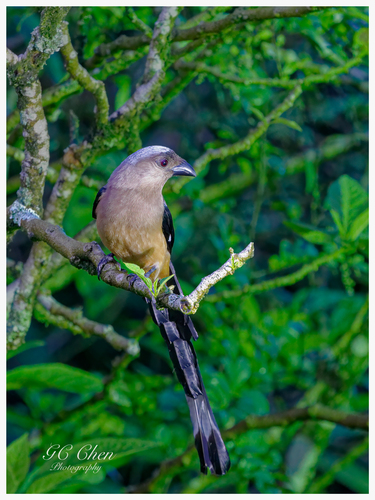
Dendrocitta cinerascens Sharpe, 1879
Dendrocitta cinerascens Sharpe, 1879
Dendrocitta cinerascens, the Bornean treepie, is a fairly large bird found in mountain habitats of northern and central Borneo.

Pica nuttalli (Audubon, 1837)
Pica nuttalli (Audubon, 1837)
Pica nuttalli is a medium-sized North American corvid, smaller on average than black-billed magpies, with a yellow bill and yellow facial skin, omnivorous and ground-foraging.
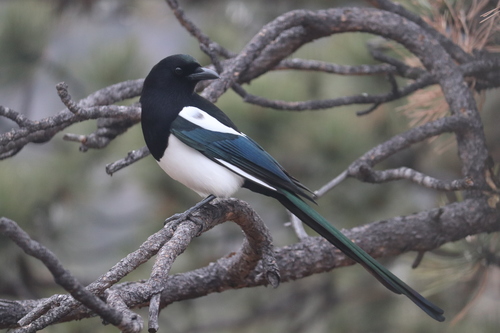
Pica hudsonia (Sabine, 1823)
Pica hudsonia (Sabine, 1823)
This is a description of the black-billed magpie Pica hudsonia, covering its physical traits, lookalikes, distribution, and habitat.
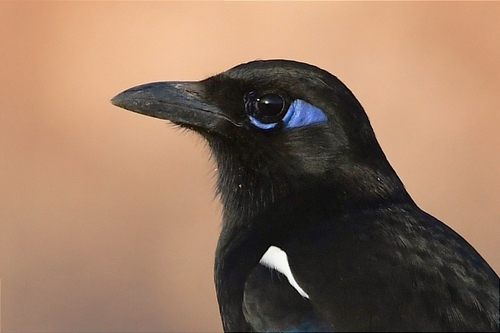
Pica mauritanica Malherbe, 1845
Pica mauritanica Malherbe, 1845
The Maghreb magpie (Pica mauritanica) is a distinct North African magpie species with declining Tunisian populations threatened by nestling predation.
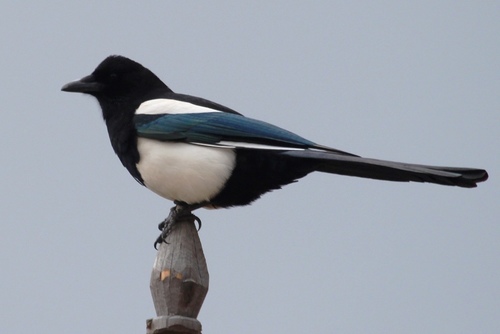
Pica bottanensis Delessert, 1840
Pica bottanensis Delessert, 1840
The black-rumped magpie is a black-and-white magpie found in parts of the eastern Himalayas and central China.
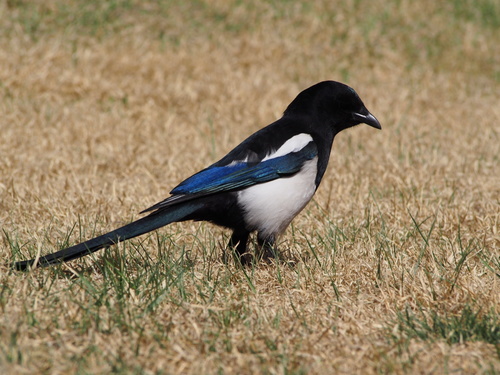
Pica serica Gould, 1845
Pica serica Gould, 1845
Pica serica, the Oriental magpie, is the largest magpie species with distinct physical and call differences from the Eurasian magpie.
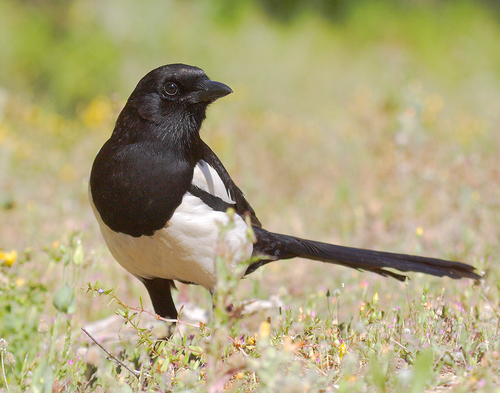
Pica pica (Linnaeus, 1758)
Pica pica (Linnaeus, 1758)
Pica pica, the Eurasian magpie, is a widespread Eurasian bird with distinctive black-and-white glossy plumage.
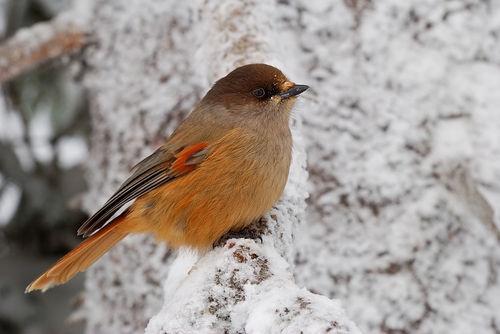
Perisoreus infaustus (Linnaeus, 1758)
Perisoreus infaustus (Linnaeus, 1758)
This is a detailed description of the Siberian jay Perisoreus infaustus, covering its traits, distribution, habitat, and behaviour.
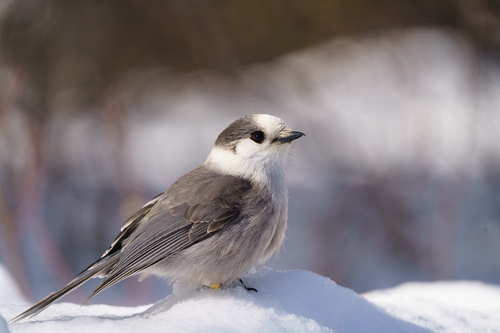
Perisoreus canadensis (Linnaeus, 1766)
Perisoreus canadensis (Linnaeus, 1766)
Perisoreus canadensis, the Canada jay, is a northern North American corvid songbird adapted to cold boreal habitats.
Start Exploring Nature Today
Download iNature for free. 10 identifications on us. No account needed. No credit card required.
Download Free on App Store
