Animals — 36,937 Species
Top Families in Animals
All Animals Species
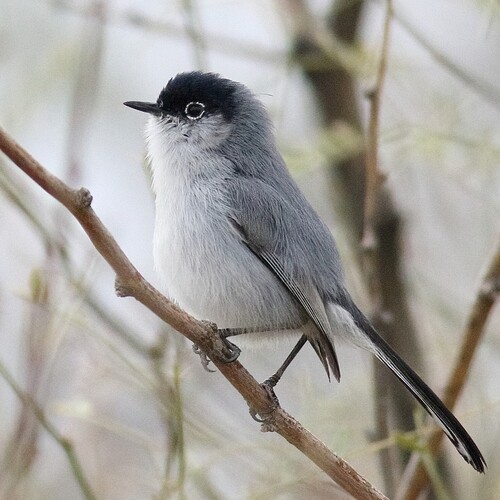
Polioptila melanura Lawrence, 1857
Polioptila melanura Lawrence, 1857
Polioptila melanura, the black-tailed gnatcatcher, is a small gray bird that can be distinguished from similar species by its predominantly black under-tail.
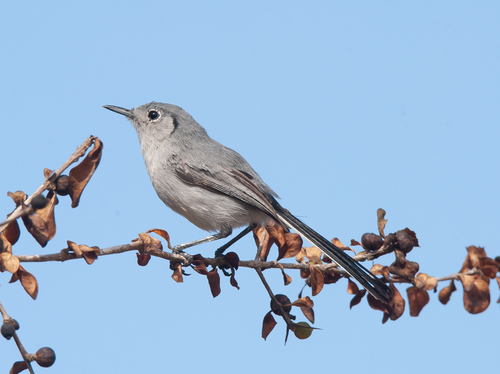
Polioptila lembeyei (Gundlach, 1858)
Polioptila lembeyei (Gundlach, 1858)
The Cuban gnatcatcher is a small gnatcatcher species endemic to Cuba’s coastal xeric scrublands.
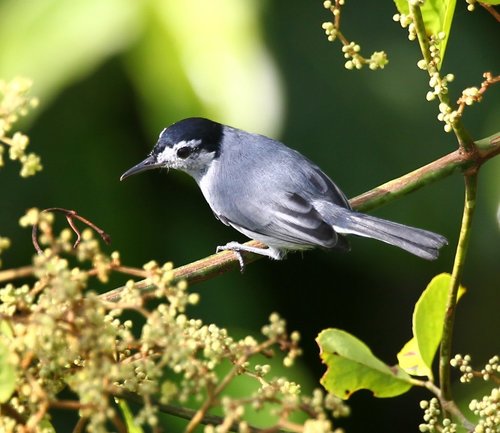
Polioptila plumbea (Gmelin, 1788)
Polioptila plumbea (Gmelin, 1788)
Polioptila plumbea, the tropical gnatcatcher, is a small insectivorous bird found across wooded habitats of Central and South America.
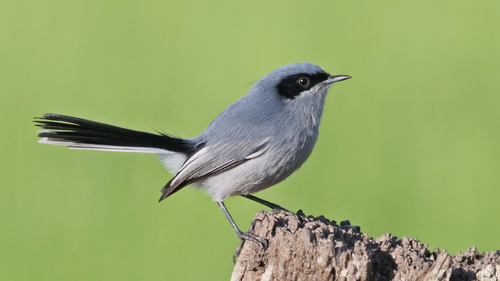
Polioptila dumicola (Vieillot, 1817)
Polioptila dumicola (Vieillot, 1817)
Masked gnatcatcher (Polioptila dumicola) is a relatively large gnatcatcher with multiple described subspecies across South America.
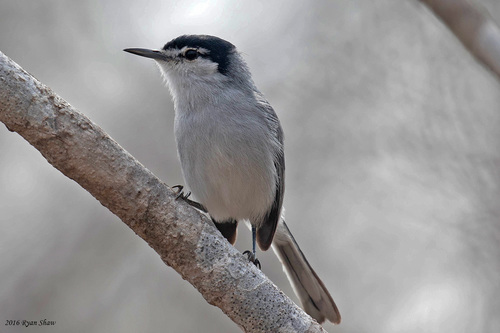
Polioptila albiloris P.L.Sclater & Salvin, 1860
Polioptila albiloris P.L.Sclater & Salvin, 1860
The white-lored gnatcatcher is a small bird found from Mexico to Costa Rica that inhabits arid to semi-arid open biomes.
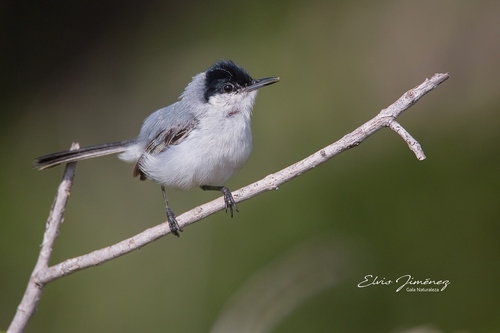
Polioptila albiventris Lawrence, 1885
Polioptila albiventris Lawrence, 1885
This is a description of the Yucatan gnatcatcher, a small bird endemic to the northern Yucatan Peninsula coast of Mexico.
Polioptila plumbea bilineata (Bonaparte, 1850)
Polioptila plumbea bilineata (Bonaparte, 1850)
Polioptila plumbea bilineata is a small North and South American gnatcatcher subspecies that feeds on insects.
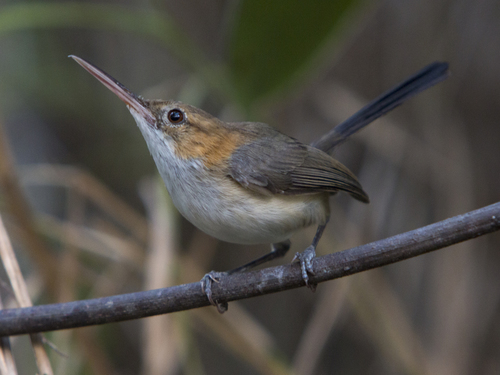
Ramphocaenus melanurus Vieillot, 1819
Ramphocaenus melanurus Vieillot, 1819
Ramphocaenus melanurus, the trilling gnatwren, is a small bird ranging from Mexico to Brazil and Trinidad, with a characteristic trilling call.

Promerops cafer (Linnaeus, 1758)
Promerops cafer (Linnaeus, 1758)
The Cape sugarbird (Promerops cafer) is a nectar-feeding bird native to South Africa's Fynbos ecosystem, rated Least Concern by the IUCN.
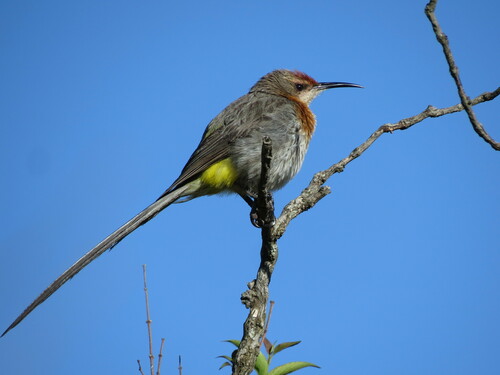
Promerops gurneyi J.Verreaux, 1871
Promerops gurneyi J.Verreaux, 1871
Gurney's sugarbird is a Southern African endemic nectar-feeding bird specialized for Protea habitats, with distinct subspecies and socially monogamous breeding.
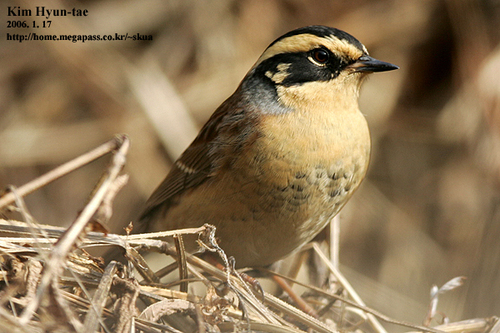
Prunella montanella (Pallas, 1776)
Prunella montanella (Pallas, 1776)
Prunella montanella, the Siberian accentor, is a small migratory passerine that breeds across Siberia and winters in East Asia.
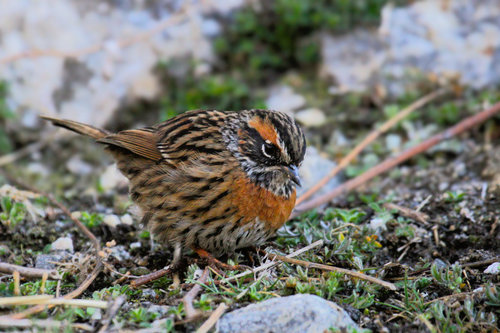
Prunella strophiata (Blyth, 1843)
Prunella strophiata (Blyth, 1843)
Prunella strophiata, the rufous-breasted accentor, is a Himalayan passerine that winters at lower altitudes.
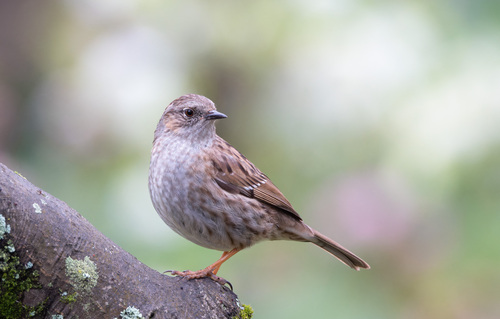
Prunella modularis (Linnaeus, 1758)
Prunella modularis (Linnaeus, 1758)
Prunella modularis, the dunnock, is a small brown Eurasian bird introduced to New Zealand with distinctive frequent wing flicking.
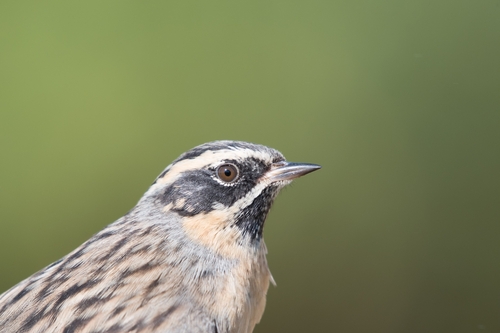
Prunella atrogularis (Brandt, 1843)
Prunella atrogularis (Brandt, 1843)
Prunella atrogularis, the black-throated accentor, is a small passerine bird with distinct adult plumage and specific nesting habits.

Prunella rubeculoides (Moore, 1854)
Prunella rubeculoides (Moore, 1854)
Prunella rubeculoides, the robin accentor, is a non-migratory mountain bird native to Central and South Asia.
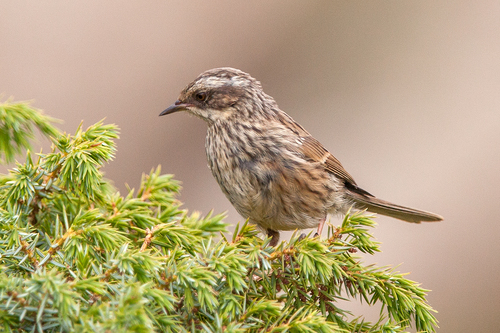
Prunella ocularis (Radde, 1884)
Prunella ocularis (Radde, 1884)
Prunella ocularis, Radde's accentor, is a Prunellidae bird found in mountainous areas of Yemen and northern Southwest Asia.
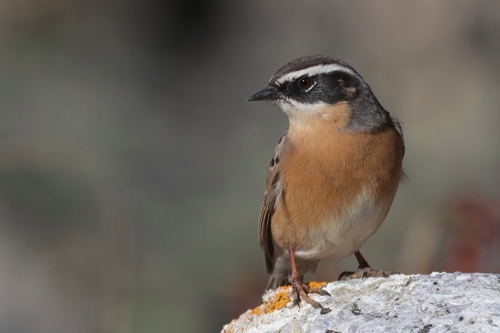
Prunella fulvescens (Severtzov, 1873)
Prunella fulvescens (Severtzov, 1873)
Prunella fulvescens is a bird species with distinct plumage markings, where males are larger than females.
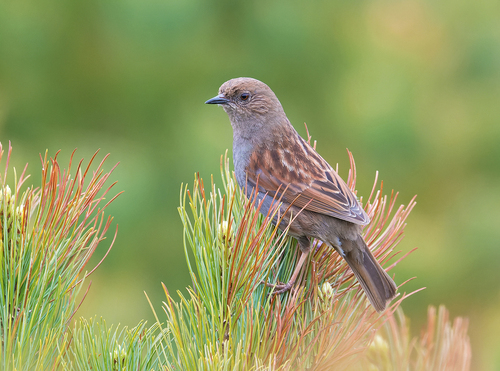
Prunella rubida (Temminck & Schlegel, 1845)
Prunella rubida (Temminck & Schlegel, 1845)
The Japanese accentor (Prunella rubida) is a Prunellidae bird found in Japan, Sakhalin, living in temperate forest.
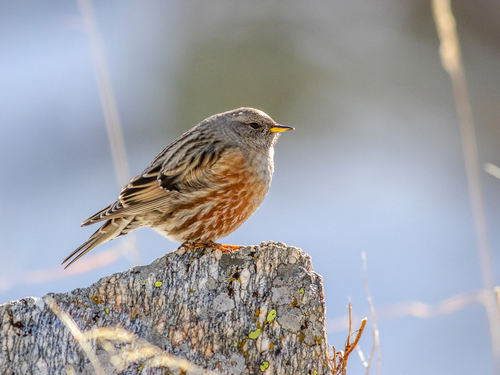
Prunella collaris (Scopoli, 1769)
Prunella collaris (Scopoli, 1769)
Prunella collaris is a small passerine bird native to mountain regions of southern temperate Europe, Lebanon, and Asia.
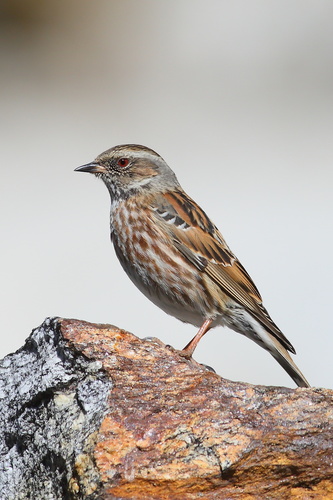
Prunella himalayana (Blyth, 1842)
Prunella himalayana (Blyth, 1842)
Prunella himalayana (Altai accentor) is a relatively large accentor with distinct plumage patterns and a defined Asian breeding and non-breeding range.
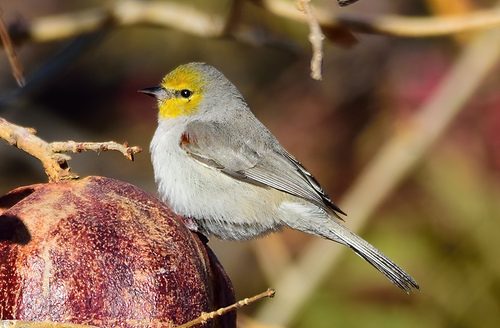
Auriparus flaviceps (Sundevall, 1850)
Auriparus flaviceps (Sundevall, 1850)
Auriparus flaviceps, the verdin, is a tiny North American desert passerine bird that eats insects, seeds, and berries.
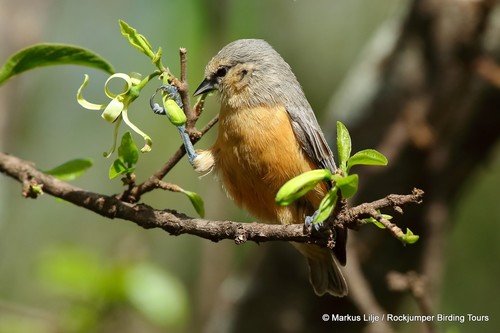
Anthoscopus caroli (Sharpe, 1871)
Anthoscopus caroli (Sharpe, 1871)
Anthoscopus caroli, the grey penduline tit, is a very small African bird species in the Remizidae family found across multiple southern and eastern African countries.
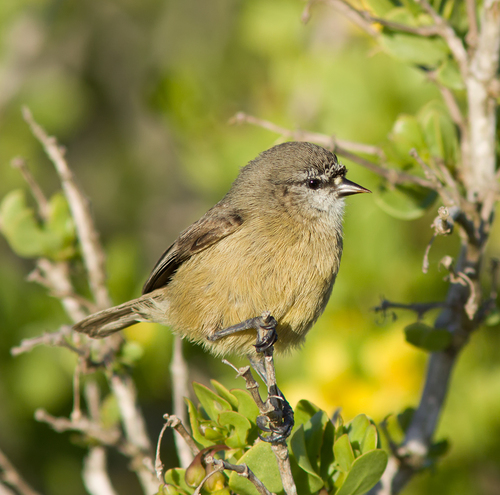
Anthoscopus minutus (Shaw, 1812)
Anthoscopus minutus (Shaw, 1812)
Anthoscopus minutus, the Cape/southern penduline tit, is a tiny African bird in Remizidae found in southern African dry habitats.
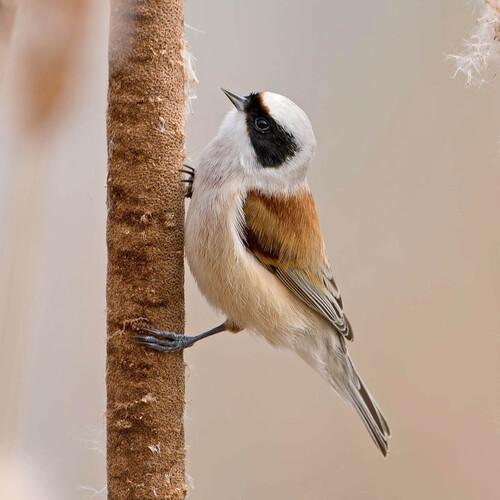
Remiz pendulinus (Linnaeus, 1758)
Remiz pendulinus (Linnaeus, 1758)
Remiz pendulinus is a small tit with a black eye mask, showing subtle plumage differences between males and females.
Start Exploring Nature Today
Download iNature for free. 10 identifications on us. No account needed. No credit card required.
Download Free on App Store
