About Kandelia obovata Sheue, H.Y.Liu & J.W.H.Yong
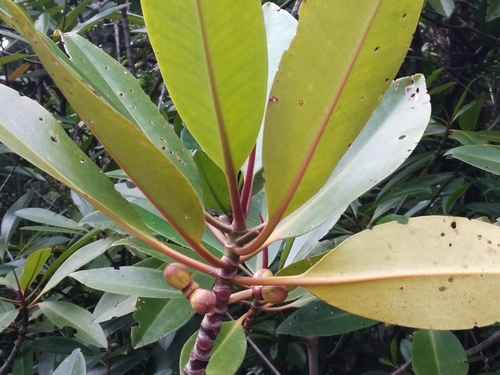
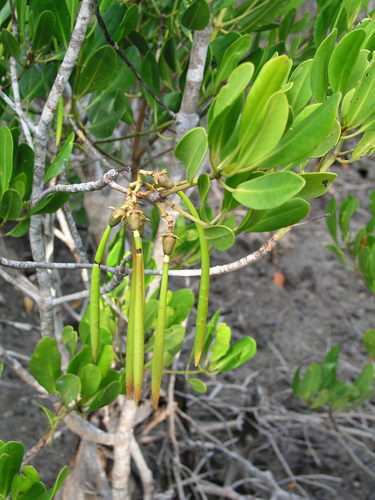
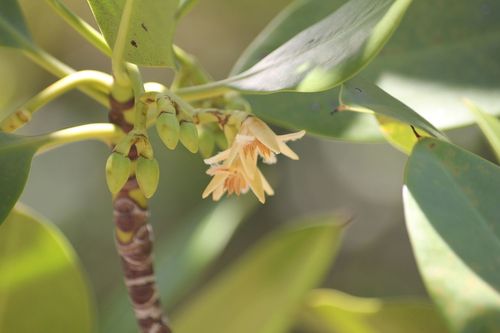
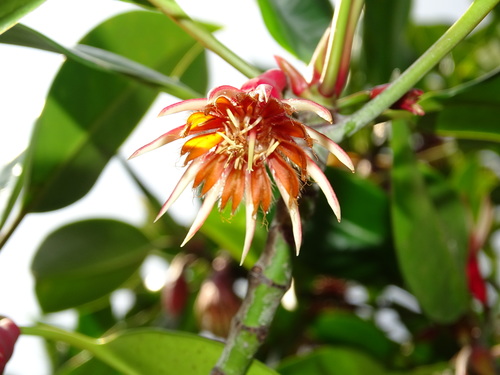
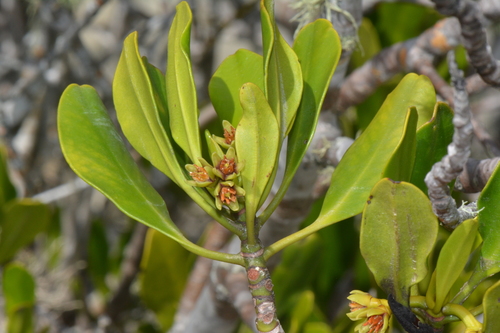
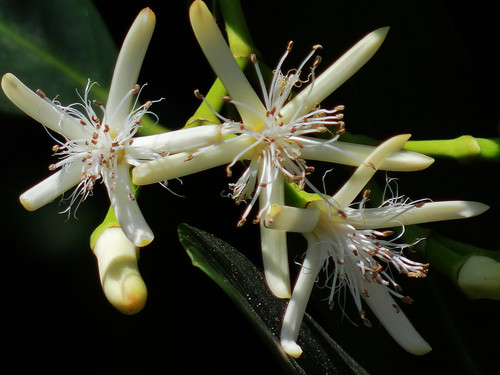
Kandelia obovata, known as 水筆仔 and 秋茄樹 in Traditional Chinese, is a mangrove plant species belonging to the Rhizophoraceae family. It has been recorded in Vietnam, the Natuna Islands of Indonesia, Southern China, Hong Kong, Taiwan, and Japan. Its occurrence in the Philippines is suspected but has not been confirmed. The species flowers from May to July, producing white, star-shaped flowers. It typically produces cone-like fruits in autumn, and its seeds germinate while still attached to the parent tree. After germination, the developing seedling forms a propagule — a fully developed dispersible seedling that can produce its own food through photosynthesis. After 3 to 6 months of growth on the parent tree, the mature propagule drops into the water, where it can be transported over long distances. Propagules can tolerate drying and remain dormant for weeks, months, or even up to a year, until they reach a suitable growing environment. When a propagule is ready to root, it changes its density so that its elongated shape floats vertically instead of horizontally. This vertical orientation increases the chance that the propagule becomes lodged in muddy substrate and takes root. If it does not root successfully, it can adjust its density again to float away and search for more favorable growing conditions. Like other mangroves, K. obovata grows in saline brackish coastal habitats. It is widely planted for windbreak, sand stabilization, and dike protection purposes.