About Juniperus chinensis L.
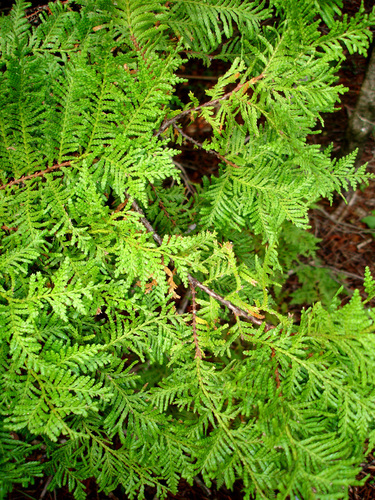
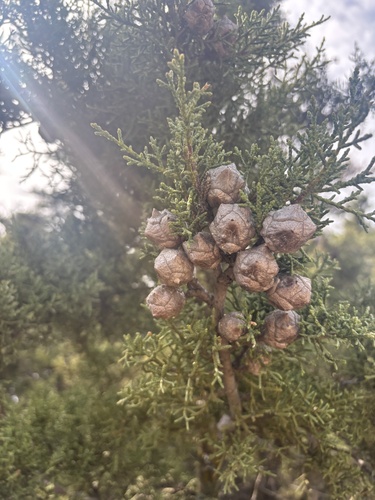
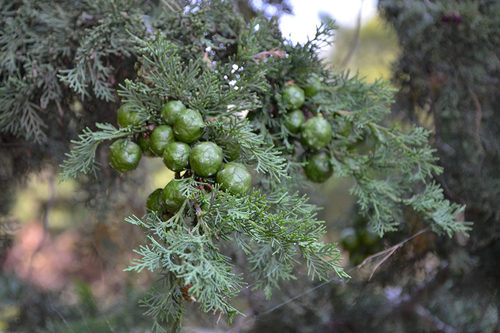
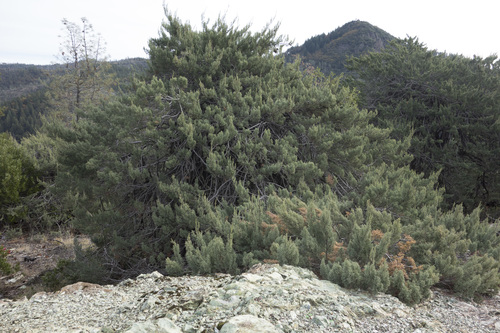
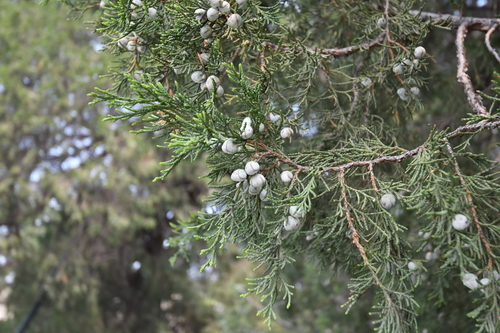
Juniperus chinensis, commonly called Chinese juniper, is a coniferous species in the cypress family Cupressaceae. It is native to China, Myanmar, Japan, Korea, and the Russian Far East. This species is highly variable, growing as an evergreen tree or shrub that reaches 1 to 20 meters (3 ½ to 65 ½ feet) in height. A cultivar group of Juniperus chinensis known as "Shimpaku" counts among the most popular species used for the Japanese art of bonsai. Among the many Shimpaku cultivars grown in Japan, the "Itoigawa" cultivar is the most desirable, valued for its tight, fine foliage and excellent growing habits. Chinese juniper is a widely popular ornamental tree or shrub for gardens, parks, and tough coastal environments with hot sun and sandy, fast-draining soils. Over 100 named cultivars have been selected for a range of distinct traits: these include yellow foliage (seen in cultivars like 'Aurea' and 'Tremonia'), permanently juvenile foliage (seen in cultivar 'Shoosmith'), a columnar crown shape (seen in cultivar 'Columnaris'), abundant cones, and a spiral branch pattern (seen in cultivar 'Kaizuka'). It first gained popularity in Mediterranean-style home gardens in Los Angeles, United States, and is now commonly found in beach and coastal areas along both the U.S. West and East Coasts. Chinese juniper is widely used in bonsai, both as individual specimens and in group plantings. Notable examples include the 250-year-old "Omiya tree" held at Birmingham Botanical Gardens in the United Kingdom, and the well-known group planting Goshin on display at the National Bonsai and Penjing Museum at the U.S. National Arboretum. The cultivar Shimpaku remains a very important subject for bonsai cultivation.