About Juncus rigidus Desf.
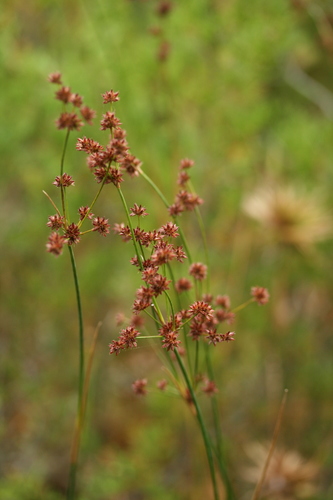
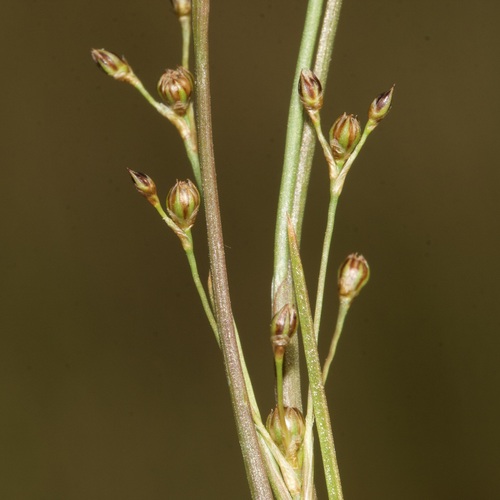
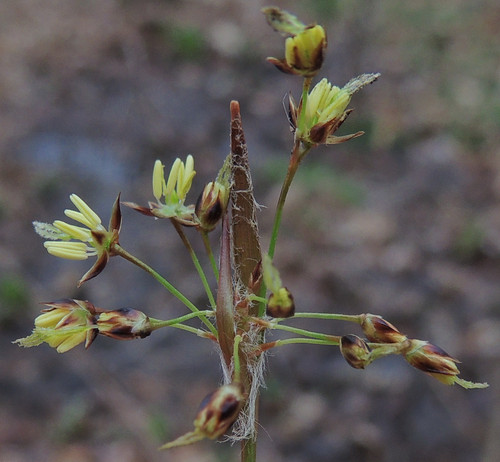
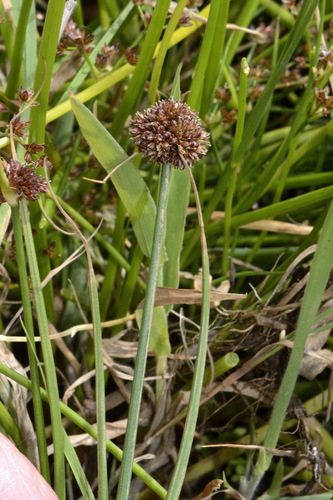
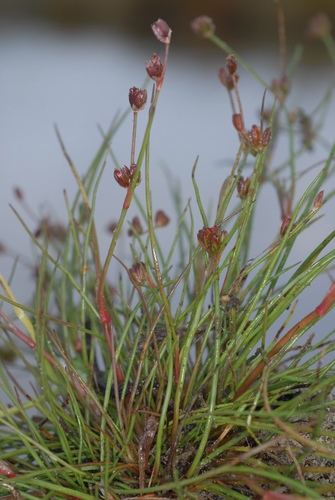
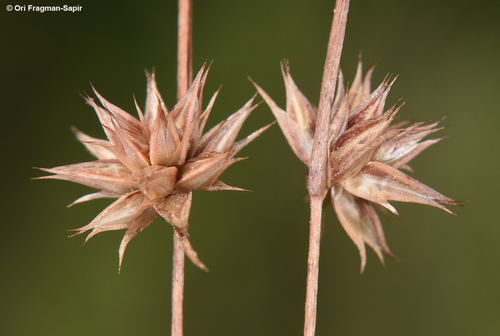
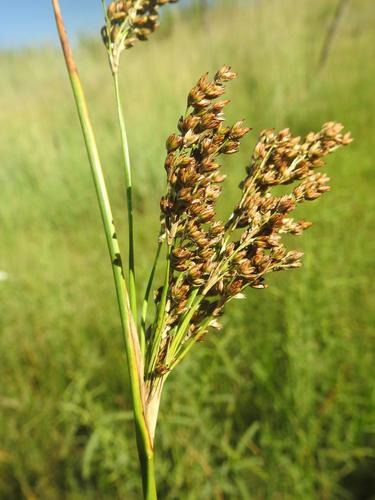
Juncus rigidus Desf. is a rush species commonly called sea rush. It is native to large parts of Africa, Mediterranean Europe, the Arabian Peninsula, and western Asia, reaching as far east as Pakistan. It inhabits sandy saline environments, occurring both inland and along the coast, and can be found in deserts and steppes. Its typical habitats include salt marsh fringes, the edges of pools, seasonally wet depressions, and areas near wells. In Egypt, this species grows alongside other salt-tolerant plants: Halocnemum strobilaceum, golden samphire (Limbarda crithmoides), Arthrocnemum macrostachyum, shrubby seablight (Suaeda vera), and sea purslane (Halimione portulacoides). In Ancient Egypt, Juncus rigidus was used to create writing pens for papyrus. It has also been used to weave mats, and its fiber can be used for paper manufacturing. Its seeds contain high levels of amino acids, proteins, oils, and carbohydrates, and may have applications in the chemical industry. Researchers have suggested that this plant, along with its close relative sharp-pointed rush (Juncus acutus), could be cultivated on saline land as an alternative crop with agro-industrial potential. It can be used for cellulose production from field-grown plants (Singh et al 2019) and via in vitro culture (Vyas et al 2021).