About Juncus inflexus L.
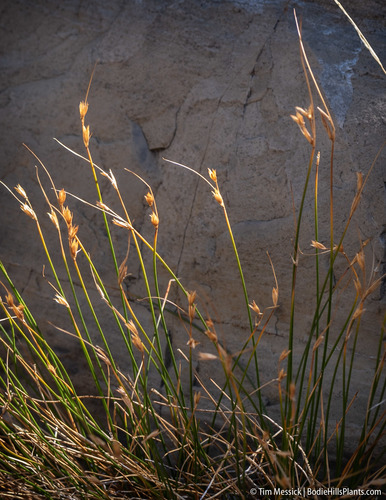
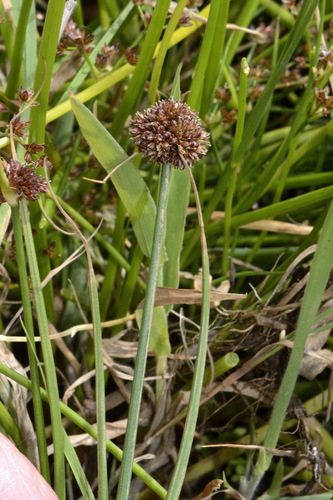
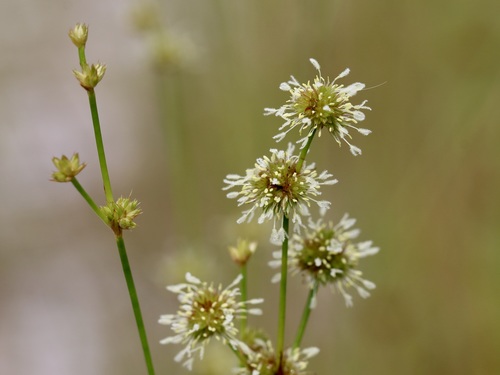
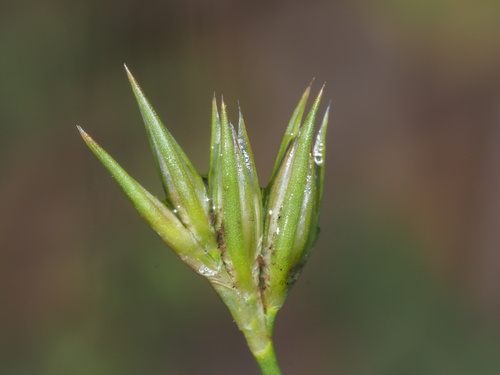
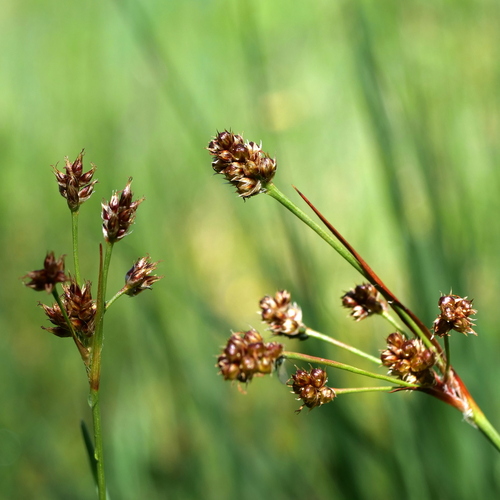
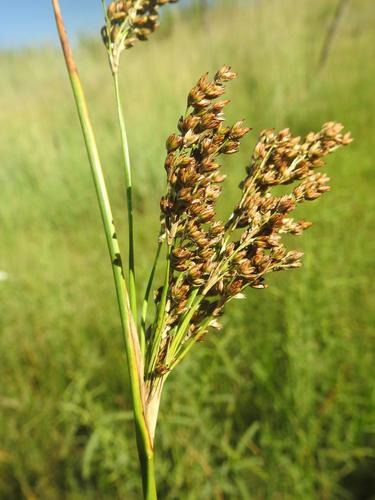
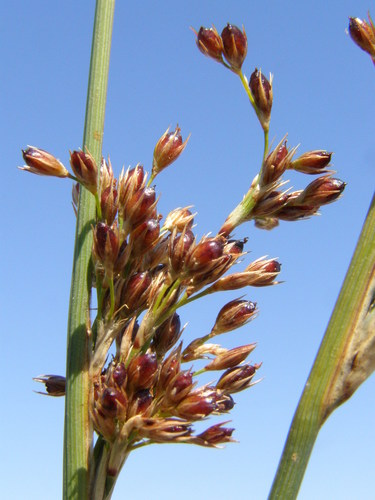
Juncus inflexus L. is a rhizomatous, tufted perennial plant that typically grows between 0.5 and 1 metre tall. Its stems are stiff, glaucous, thin and wiry, with a diameter of 1 to 2.5 mm. The stems have 15 to 20 distinct vertical ridges, and are filled with interrupted spongy pith. Stomata are arranged along the stem in 5 to 10 rows. The plant’s basal sheaths are shiny reddish black. It blooms from late spring to midsummer, producing loose clusters of very small reddish-brown flowers at the tips of some stems. These flowers later ripen into brown, short-beaked seed capsules. In terms of habitat and ecology, this species is generally common across England and Wales, but rarer in Scotland. It grows in open wet locations including springs, marshes, wet pastures, and damp meadows, and also grows alongside rivers, ponds, and lakes. It prefers heavy base-rich or neutral soils that have been consolidated by trampling. Juncus inflexus appears to tolerate annual mowing and light to moderate grazing. It is unpalatable to cattle, and rabbits are likely to eat it only when grazing pressure is high.