About Juncus brachycarpus Engelm.
Taxonomy and Common Name
Juncus brachycarpus, commonly known as Short-fruited Rush, is a perennial herbaceous plant belonging to the Juncaceae family.
Native Range and Habitat
Native to North America, it thrives in wetlands, marshes, and along the edges of streams and ponds.
Stem and Leaf Characteristics
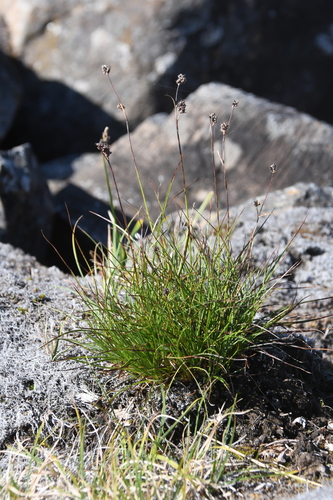
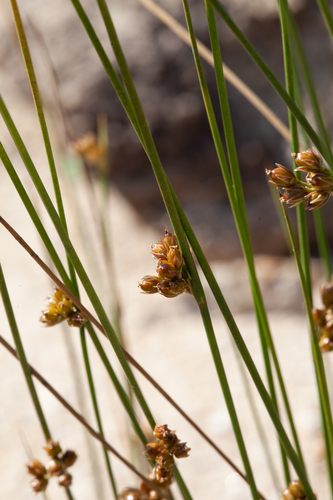
The plant features a slender stem that can reach heights of up to 60 cm, alongside narrow leaves approximately 1-2 mm wide.
Flower Morphology
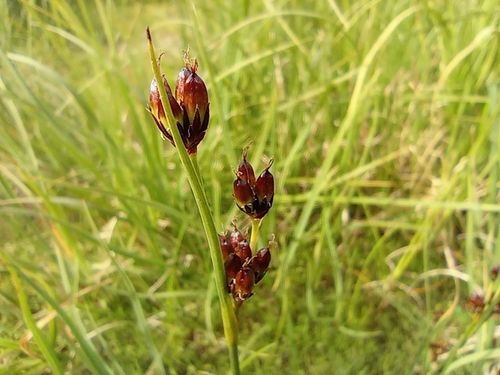
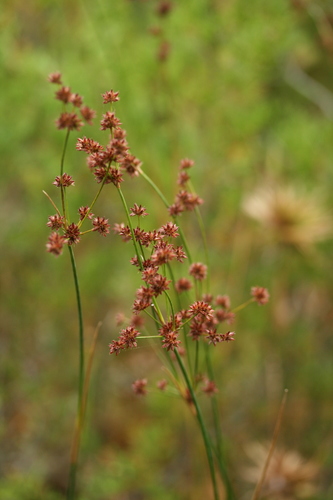
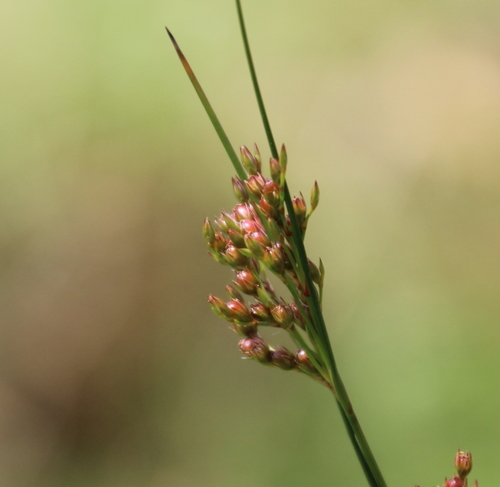
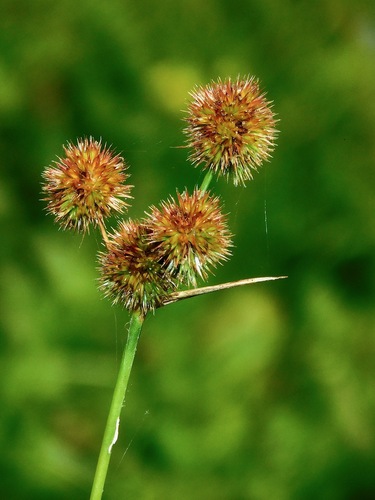
Its flowers are small and brownish-green, consisting of three sepals and three petals.
Wetland Habitat Provision
Juncus brachycarpus plays a crucial role in wetland ecosystems by providing habitat for various aquatic animals, including fish, amphibians, insects, and birds.
Erosion Control Function
Additionally, it helps prevent soil erosion by stabilizing the soil along waterways.
Traditional Medicinal Uses
Indigenous people have traditionally utilized the plant for medicinal purposes, such as treating headaches or stomachaches, by making tea from its roots or leaves.
Species Significance Summary
Overall, Juncus brachycarpus is a significant species in wetland ecosystems due to its ecological importance and traditional medicinal uses, making it a valuable resource for both humans and wildlife.