About Indicator indicator (Sparrman, 1777)
Taxonomy and General Physical Traits
The greater honeyguide, scientifically named Indicator indicator (Sparrman, 1777), has distinct physical traits.
Adult Size and Common Markings
Adults are roughly 20 cm (7.9 in) long and weigh around 50 g (1.8 oz), and all have bold white patches on the sides of the tail.
Male Adult Plumage and Features
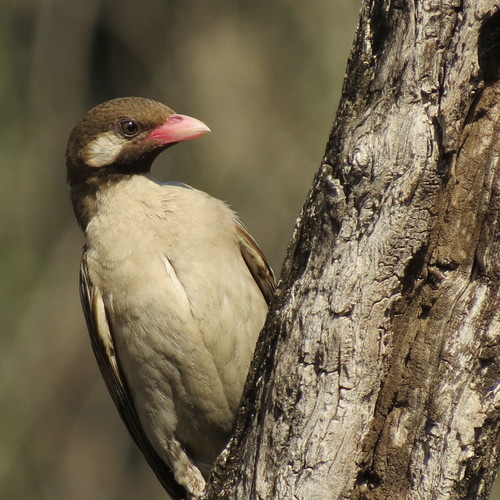
Males have a black throat, pink bill, dark grey-brown upperparts, white underparts, whitish-streaked wings, and a yellow shoulder patch.
Female Adult Plumage and Features
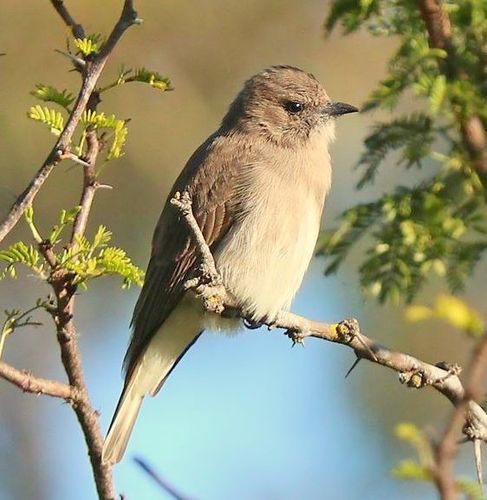
Females are duller than males, have a blackish bill, and also have a black throat.
Immature Plumage and Features
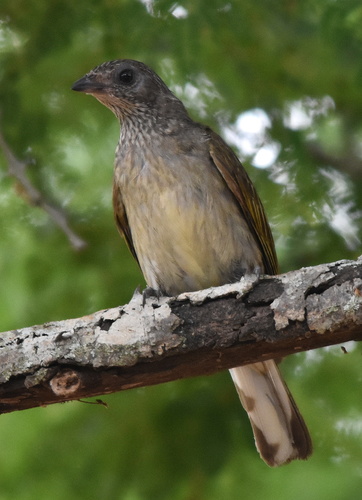
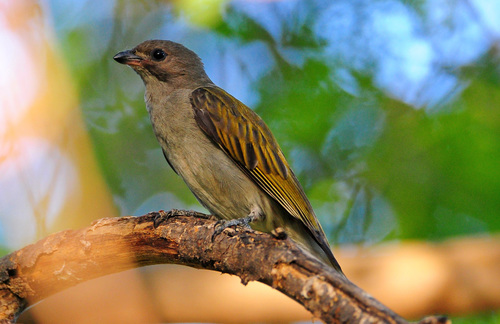
Immature greater honeyguides have olive-brown upperparts, a white rump, and a yellow throat and upper breast.
Guiding Behavior Overview
This species is best known for its behavior of guiding humans to wild bee nests.
Guiding Attraction Calls
A guiding greater honeyguide attracts human attention with wavering, chattering "'tya' notes combined with peeps or pipes—sounds the bird also produces when acting aggressively.
Guiding Flight and Navigation
It flies toward an occupied bee nest (individuals remember the location of many bee nests within their territory) then stops near the nest.
Human Honey Harvest Process
Human honey-hunters then conduct a final search for the bee colony, and if the colony is suitable, they harvest honey using fire and smoke to subdue the bees, and axes and machetes to expose the colony.
Post-Harvest Honeyguide Feeding
After harvesting is complete, the honeyguide feeds on the leftover wax.
Boran People Search Time Reduction
One study recorded that when Boran people of East Africa use greater honeyguides to find honey, their search time is reduced by approximately two-thirds.
Boran Honey Search Whistle
To take advantage of this benefit, Boran people use a specific loud whistle called the fuulido when starting a honey search, and this whistle doubles their rate of encountering honeyguides.
Hadza People Nest Finding Success
Among the Hadza people of northern Tanzania, honeyguides increased the group's rate of finding bee nests by 560%, and led men to bee nests that produced significantly higher yields than nests found without honeyguide help.
Yao Hunter Call Response
A separate study of Yao honey-hunters in northern Mozambique found that honeyguides respond to the hunters' traditional brrrr-hmm call, and the chance of finding a beehive increases greatly when this traditional call is used.
Juvenile vs Adult Call Response
This study also included anecdotes from Yao honey-hunters stating that adult honeyguides, but not juvenile ones, respond to these specific honey-hunting calls.
African Folklore About Honeyguide Rewards
African folklore often claims that a human should thank a honeyguide with a gift of honey; if not thanked, the honeyguide will punish the human by leading them to a lion, bull elephant, or venomous snake.
Belief About Honeycomb Harm to Honeyguides
Other people hold the belief that honeycomb harms the bird, so they leave bits of comb for the bird to find on its own.
Variation in Human Wax Provision Behavior
While many descriptions of the mutualistic relationship between humans and honeyguides highlight honey-hunters graciously leaving piles of wax for birds in obvious locations, this behavior is not universal.
Hadza Wax Management Practice
The Hadza people of northern Tanzania often burn, bury, or hide wax to keep honeyguides hungry, so the birds will be more likely to guide again in the future.
Abandonment of Guiding Behavior in Kenya
In some parts of Kenya, some greater honeyguides have abandoned this guiding mutualistic behavior, which is thought to be caused by fewer people in the area responding to the birds' guidance.
Misleading Guidance Explanation
A 2025 study found that honeyguides do sometimes lead humans to non-bee animals such as snakes, but researchers believe this is most likely an error by the birds rather than intentional punishment.
Reproductive Strategy Overview
Greater honeyguides are brood parasites when it comes to reproduction.
Female Egg Laying Output
Females lay white eggs in clutches of 3 to 7, and can lay a total of 10 to 20 eggs in one year.
Host Nest Selection
Each egg is laid in a separate nest belonging to another bird species; common host species include certain woodpeckers, barbets, kingfishers, bee-eaters, wood hoopoes, starlings, and large swallows.
Host Egg Destruction During Laying
When a female greater honeyguide lays her egg in a host nest, it is common for her to break the host's existing eggs.
Host Nest Structure Traits
All host species used by greater honeyguides build nests in holes, build covered nests, or build deep cup nests.
Honeyguide Chick Host Killing Behavior
When a greater honeyguide chick hatches, it still blind and featherless, and has a membranous hook on its bill that it uses to kill the host's young, either outright or by inflicting repeated wounds.