About Iberodorcadion fuliginator (Linnaeus, 1758)
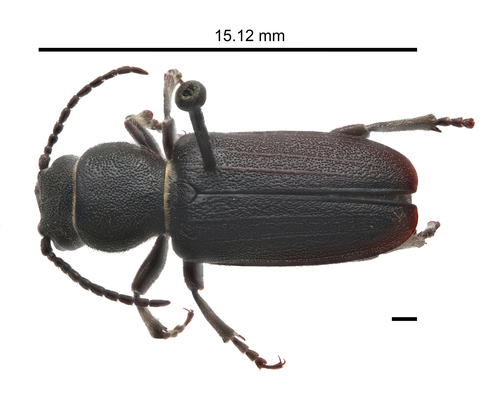
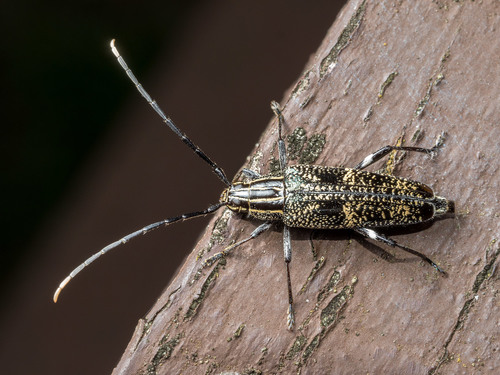
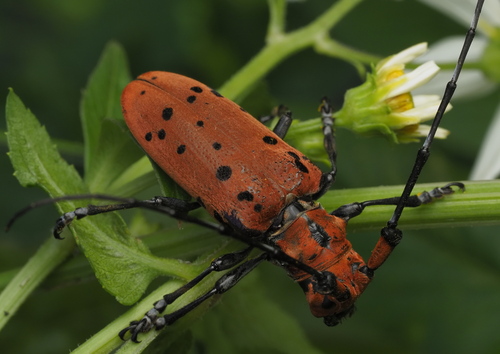
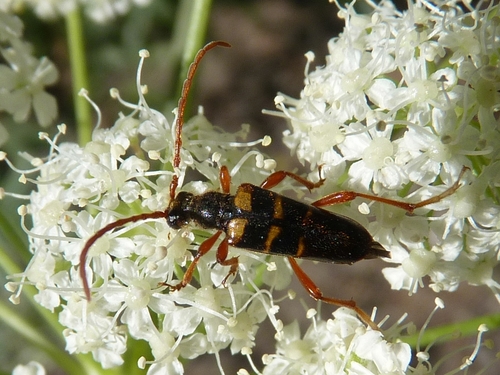
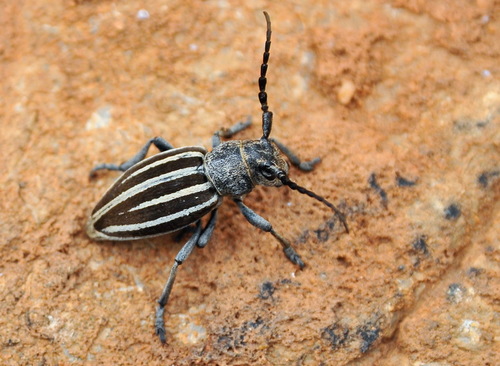
Iberodorcadion fuliginator is a species of beetle belonging to the family Cerambycidae. This species was first described by Carl Linnaeus in 1758, in the landmark 10th edition of his work Systema Naturae. It is found across Central Europe, with confirmed populations recorded in Spain, Belgium, Luxembourg, the Netherlands, Portugal, France, Germany, Austria, Lithuania, and Switzerland; it is considered extirpated from Luxembourg. This is a flightless beetle that feeds on grass. Its geographic range stretches from the Iberian Peninsula through Central Europe to Poland, and from the southern Netherlands to northern Switzerland. Iberodorcadion fuliginator is classified as highly endangered. The species follows a 2-year life cycle. In spring, adult females lay eggs inside the stems of grass species, most commonly Bromus erectus, the main host plant for this species' larvae. Larvae hatch in May or June and feed on grass roots, then enter winter hibernation before pupating. Adults emerge from their pupal cases in July or August, but stay underground until they complete a second winter hibernation. They finally exit the soil in spring, and remain sexually active for approximately one month. The genus Iberodorcadion has sometimes been treated as a subgenus of the genus Dorcadion, which has led to this species being referred to by the alternative name Dorcadion fuliginator.