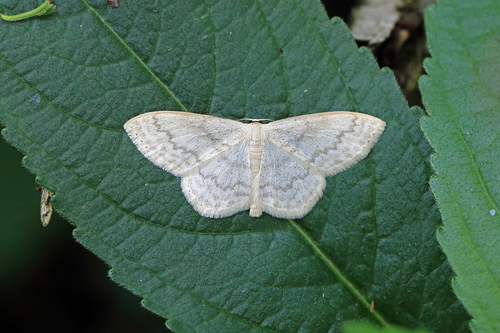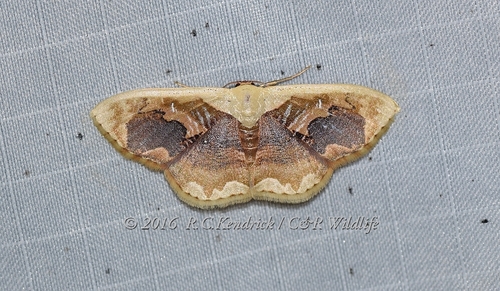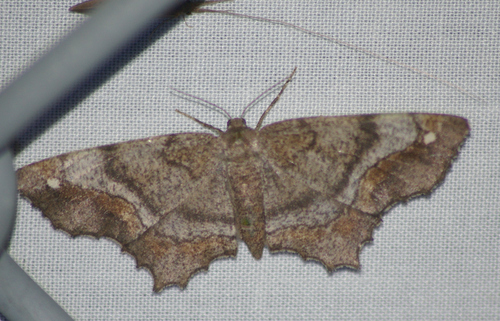
About Hypagyrtis unipunctata (Haworth, 1809)
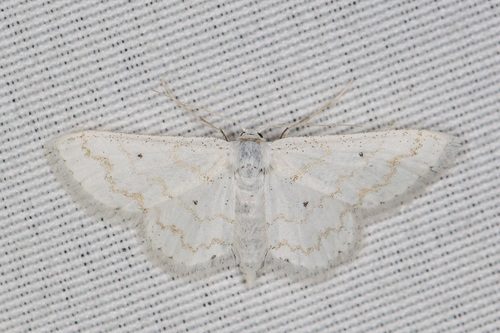
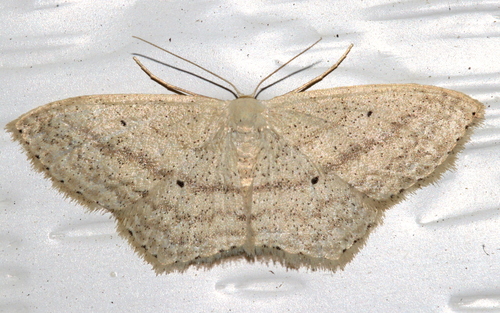
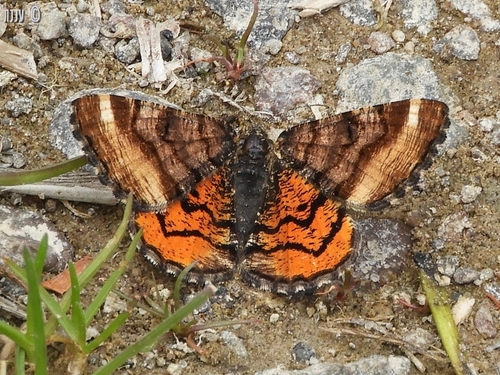
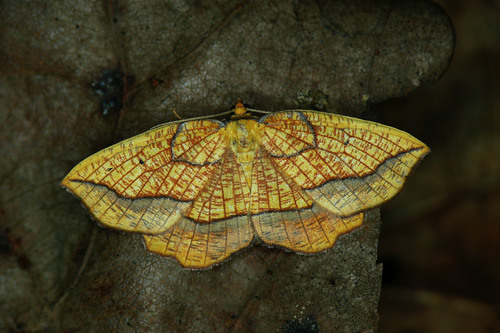
Hypagyrtis unipunctata, commonly called the one-spotted variant moth or white spot, is a moth species in the family Geometridae. It was first formally described by Adrian Hardy Haworth in 1809. This species is distributed across North America, ranging from Nova Scotia south to Florida, west to Texas, and northwest to British Columbia; it is also found in Eurasia. The wingspan of adult Hypagyrtis unipunctata measures 20 to 47 mm. Across most of North America, adult moths are active in flight from April through September. In the northern parts of North America, adults are active from June to July. This species produces one to two generations each year. The larvae feed on the leaves of a wide variety of deciduous trees and shrubs. Documented host plants include Amelanchier, Rosa, Prunus, Salix, Populus, Alnus, Betula, Corylus, Fraxinus, Tilia, Ulmus, Quercus, and Acer.