About Heuchera richardsonii R.Br.
Taxonomy and Native Range
Heuchera richardsonii, commonly known as Richardson's alumroot, is a herbaceous perennial native to North America. This plant belongs to the Saxifragaceae family and is often found in rocky areas and forests across the western United States and Canada.
Foliage Features
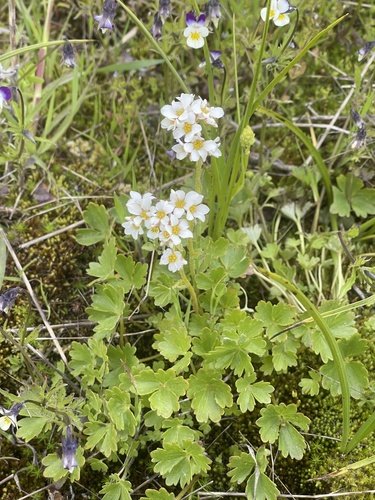
It features a clumping growth habit with basal leaves that are rounded or heart-shaped and have scalloped edges. These leaves are typically green but can also appear in purple or bronze shades, depending on the cultivar.
Flower Characteristics
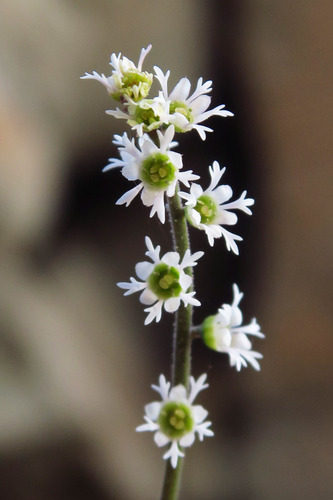
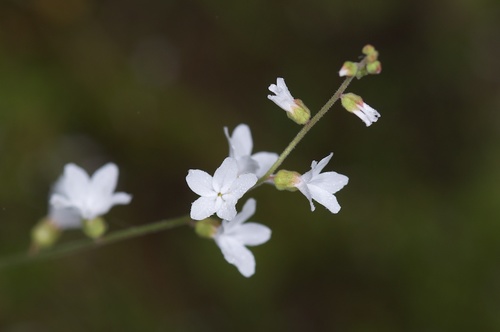
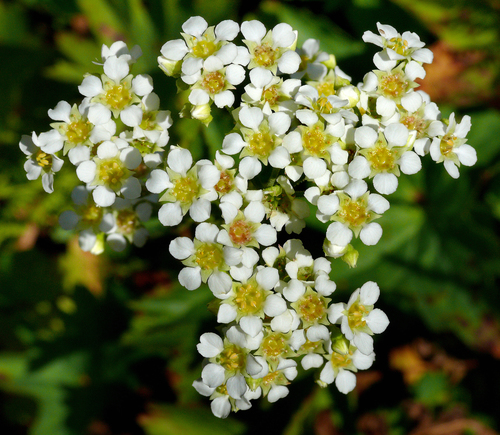
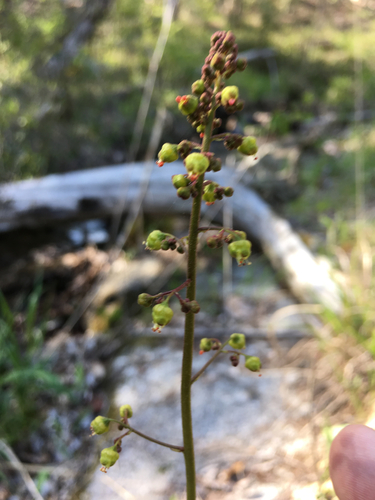
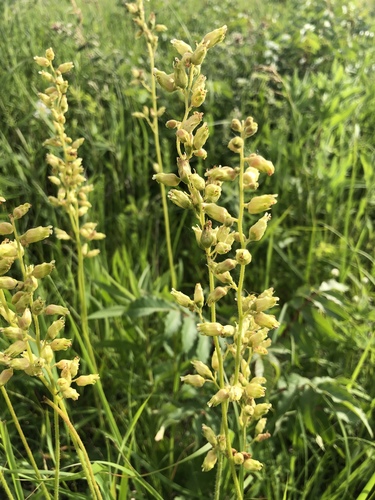
In late spring to early summer, Heuchera richardsonii produces tall spikes of small, bell-shaped flowers that range in color from white to pinkish-red. These flowers attract various pollinators, including bees and butterflies.
Growing Requirements
The plant prefers well-drained soil that is moist but not waterlogged, making it an ideal choice for rock gardens or border planting schemes. While it can tolerate partial shade, it thrives best when exposed to full sun.
Traditional Medicinal Uses
Historically, Native American tribes have used Heuchera richardsonii for medicinal purposes, such as treating wounds and stomach ailments, due to its anti-inflammatory properties.
Ornamental and Ecological Value
Overall, Heuchera richardsonii is an attractive ornamental plant that adds color and texture to any garden setting. Its beautiful foliage and delicate flowers not only enhance the aesthetic appeal of gardens but also provide ecological benefits by attracting pollinators.