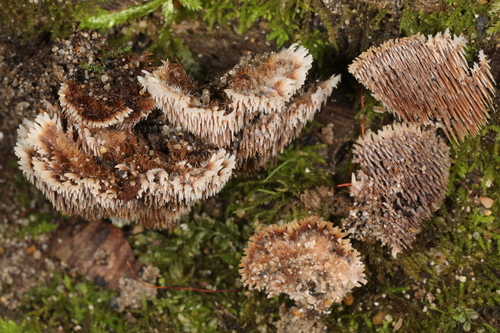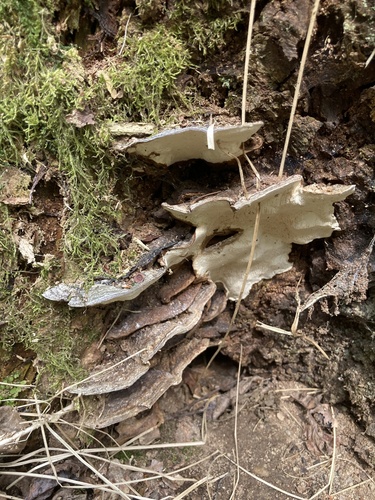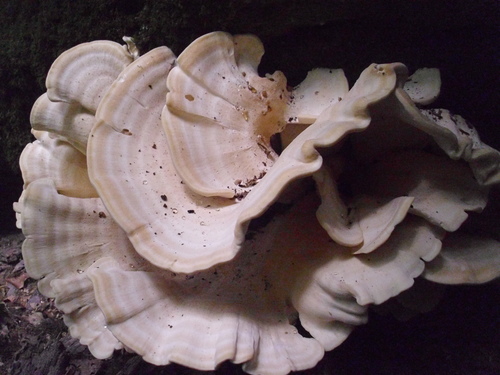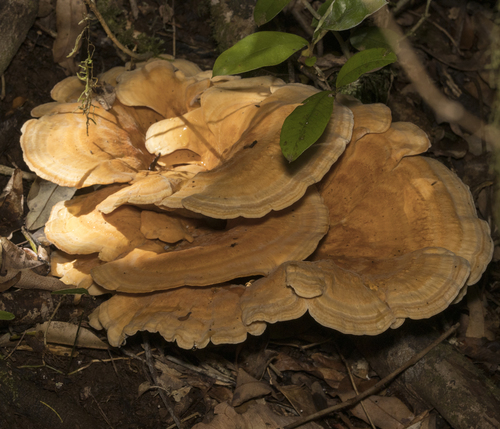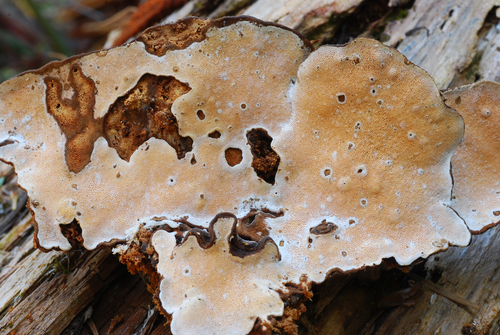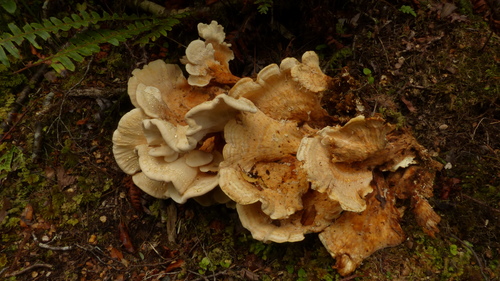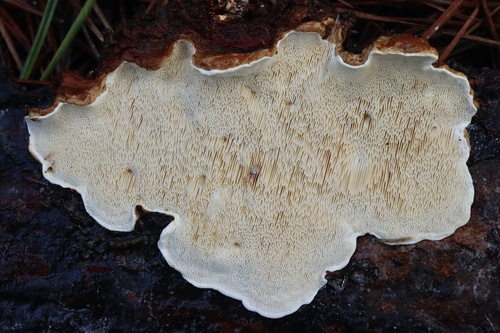
About Heterobasidion irregulare Garbel. & Otrosina
Heterobasidion irregulare is a pathogenic tree root-rotting fungus in the genus Heterobasidion, a group that includes many important pathogens of conifers and other woody plants. It has a wide host range and broad geographic distribution across North America, and it causes substantial economic damage to pine plantations in the United States. It is also considered a serious concern in eastern Canada. This species has been introduced to Lazio, Italy, where it has caused extensive mortality of stone pine. Based on evidence from its ecology, disease type, host range and preference, interfertility group, and genetic data, H. irregulare—previously classified as Heterobasidion annosum P ISG—was formally designated as a separate new species, distinct from Heterobasidion occidentale, which was previously known as Heterobasidion annosum S ISG. Multiple abiotic factors influence the ability of Heterobasidion irregulare to cause disease in trees. Gaseous conditions (specifically oxygen levels), soil pH, and soil moisture content can all affect the fungus' growth. Disease caused by H. irregulare is most severe on high-fertility soils, lime-containing alkaline soils with pH greater than 6, and former agricultural soils. H. irregulare grows best on well-drained sandy soils, a common soil type on former farmland that has been converted to plantations in the southern United States. Plantations are particularly favorable to this fungus because it enters host plants through wounds or cut surfaces, then spreads via root systems. Research into the specific temperature requirements for H. irregulare germination and spore production is still ongoing, but it is already confirmed that the fungus can germinate at temperatures as low as 8 °C (46 °F).