About Hesperostipa spartea (Trin.) Barkworth
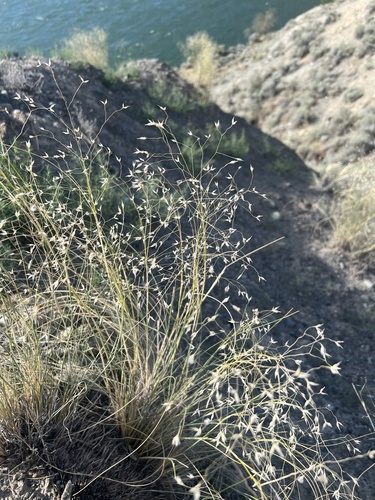
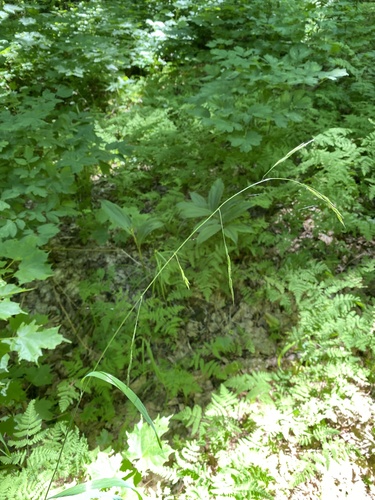
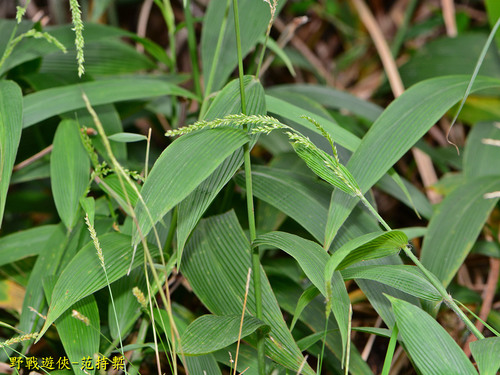
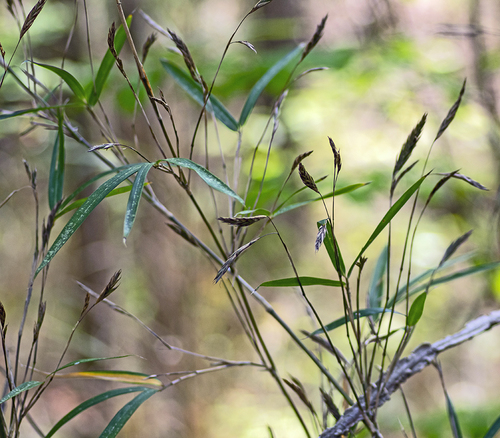
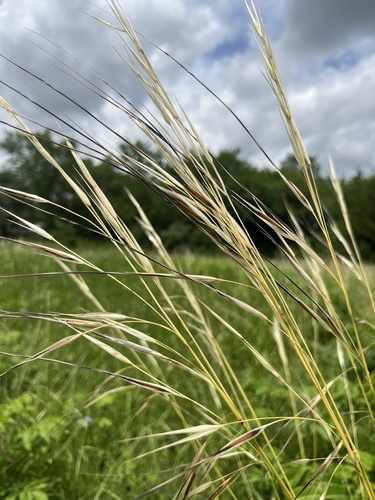
Hesperostipa spartea (Trin.) Barkworth is a perennial bunchgrass. It is similar to needle-and-thread grass, but has longer, wider, paler leaves, and can grow over one meter in height. Its roots are known to reach 1.8 meters (5.9 feet) deep into soil. The foliage mass of this bunchgrass typically reaches 3–6 feet (0.91–1.83 m) in diameter. Its upright, arching yellow flower stalks emerge in late spring. Its inflorescence forms a panicle of spikelets. Each fruit produces a very long, twisted awn that can reach up to 19 centimeters (7.5 inches) in length. The seeds are needle-shaped, with sharp tips and long tails made of two strands that dry at different rates, twisting around each other. Just behind the sharp, needle-like seed tip is a collar of long thick backward-facing hairs that stop seeds from working back out of soil. As the grass expands or contracts in response to changes in temperature and moisture, the awns twist or untwist. This twisting motion eventually drills the seeds into the soil, a phenomenon called geocarpy. Awns holding multiple seeds may tangle together into a mass that wind blows away from the parent plant. Awns can also stick to animals, which act as an additional seed dispersal vector. This species is native to the Great Plains and Canadian Prairies of North America, and is also found in grasslands of the Rocky Mountains in Western Canada and the Western United States. It is common, and acts as a dominant grass in many prairie and grassland ecosystems across the Great Plains. In Alberta grasslands, it is codominant with rough fescue; in other areas, it may be codominant with little bluestem. It can occur as a pioneer species or a climax species, and grows through all stages of ecological succession. It thrives on poor soils, can invade disturbed habitats such as gopher mounds, and can also remain a long-term component of climax grassland and prairie. It is cultivated as an ornamental grass for native plant gardens and natural landscaping, and used for Great Plains-Prairie habitat restoration. Native American groups including the Omaha and Pawnee historically made brushes from this plant by tying the awns together and burning off the sharp seeds at the ends.