About Helleborus orientalis Lam.
Common and Scientific Name
This species, commonly called Lenten rose, is an evergreen perennial with a scientific name of Helleborus orientalis Lam.
Mature Height
It grows 28 to 45 cm (11 to 18 in) tall.
Foliage Characteristics
Its foliage consists of glossy green, palmate, leathery leaves that are evergreen, with 7 to 9 serrated-margin leaflets per leaf.
Flower and Bloom Details
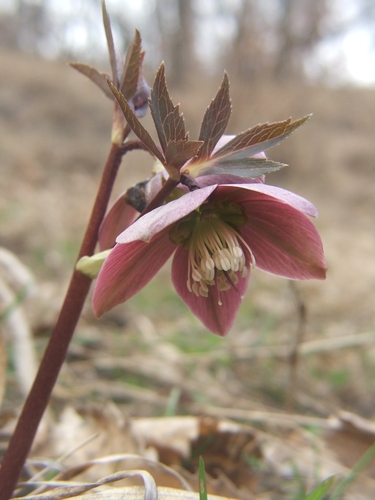
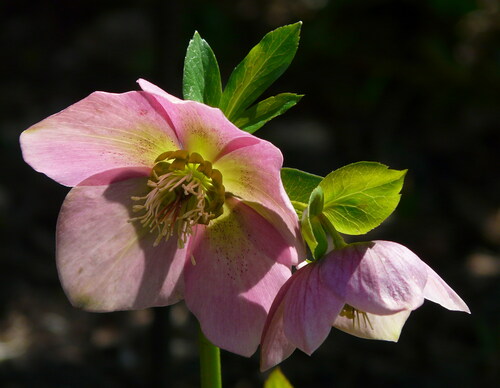
The cup-shaped, pendent flowers grow in groups of 1 to 4 at the tips of thick stems that stand above the plant's leaves, blooming in late winter and spring, and the flowers have yellow stamens.
Toxicity General
All parts of the Lenten rose are poisonous.
Skin Exposure Effects
If plant sap touches the skin, it may cause temporary skin irritation.
Ingestion Effects
Ingesting large quantities of the plant leads to burning of the mouth and throat, vomiting, abdominal cramping, and diarrhea.
Cultivation Growing Requirements
For cultivation, the Lenten rose grows best in shaded or partially shaded locations in humus-rich soil, and cultivated varieties come in a wide range of colors.
Cold Hardiness
It is hardy in USDA hardiness zones 4 through 9, tolerating temperatures as low as −15 to −20 °C (5 to −4 °F).
19th Century German Breeding Origins
German planters started breeding H. orientalis in the mid-19th century, with their breeding efforts enhanced by new plant material from the Caucasus that was obtained through the St Petersburg Botanic Garden.
Early Variety Introduction to UK
Newly bred varieties were quickly introduced to the United Kingdom.
Horticultural Popularity Shifts Pre-1960s
Breeding and horticultural interest in this species peaked in the late 19th century, but the genus had lost popularity among gardeners by the 1920s.
1960s Popularity Revival
The Lenten rose returned to horticultural popularity in the 1960s, when Helen Ballard bred many new varieties of the plant.
Cultivated Flower Color Range
Cultivated varieties can produce flowers that are white, green, pink to maroon, purple, or spotted.