About Helichrysum foetidum (L.) Moench
Nomenclature and Taxonomy
Helichrysum foetidum, commonly known as stinking everlasting or curry plant, is a perennial herb in the Asteraceae family.
Native Range
Native to southern Africa, it can be found in regions including Zimbabwe, Mozambique, and South Africa.
Size and Aroma
This plant can grow up to 60 cm in height and emits a strong, curry-like aroma from its leaves.
Leaf Characteristics
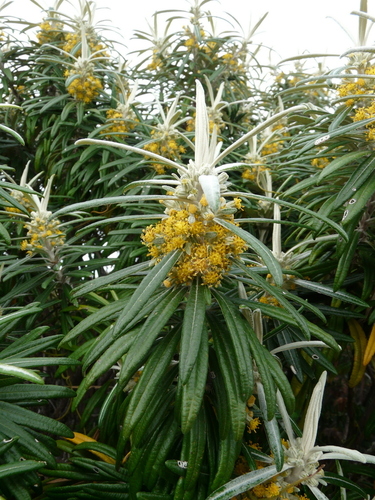
The leaves of Helichrysum foetidum are narrow and elongated, featuring a grayish-green color.
Flowering Traits
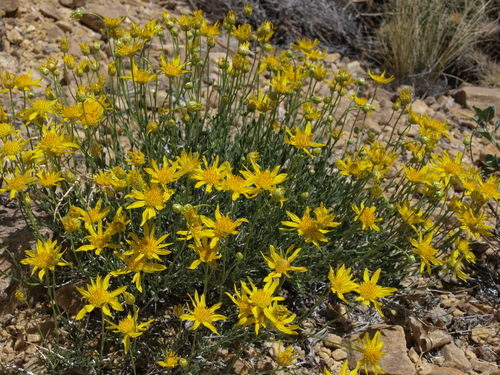
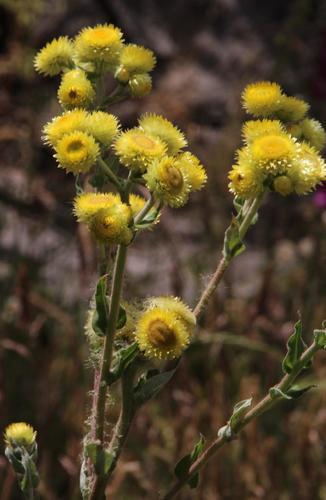
The plant produces small yellow flowers that bloom from summer through fall.
Cultivation Requirements
It thrives in well-drained soil with full sun exposure but can also tolerate partial shade.
Traditional Medicinal Use
For centuries, indigenous people of southern Africa have used Helichrysum foetidum for its medicinal properties.
Medicinal Properties and Applications
It is believed to possess anti-inflammatory qualities and has been employed to treat various ailments such as coughs, colds, fever, headaches, and stomachaches.
Culinary Uses
Besides its medicinal uses, Helichrysum foetidum is also valued in the culinary world due to its strong curry-like aroma, making it a flavorful addition to dishes like curries and stews.
Summary of Value
Overall, Helichrysum foetidum is a fascinating herbaceous perennial that not only enhances the flavor of dishes but also offers health benefits, making it a valuable addition to any garden or kitchen.