About Helastia corcularia (Guenée, 1868)
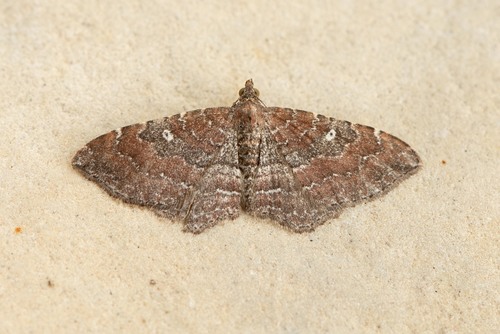
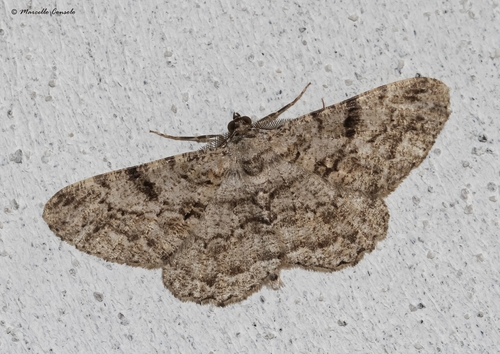
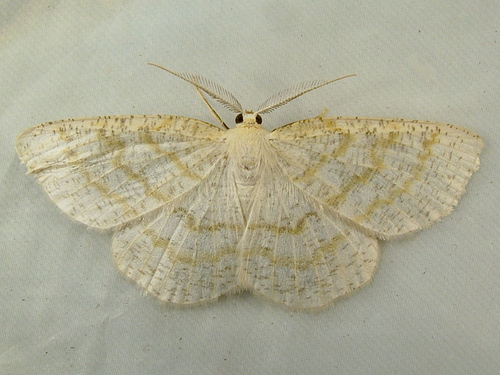
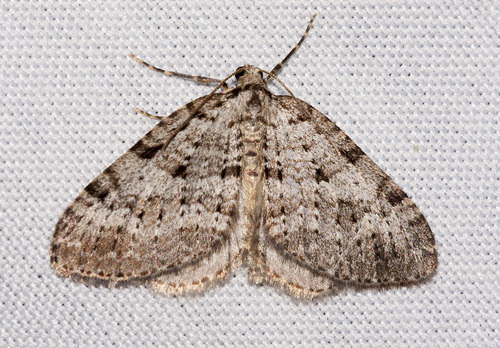
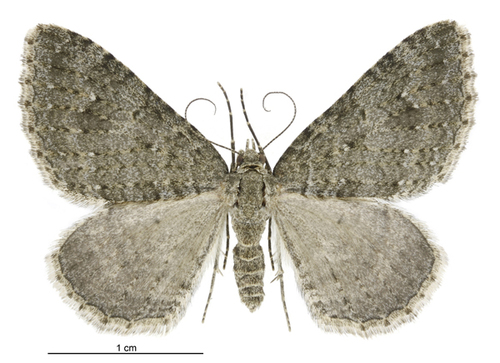
Guenée originally described the species Helastia corcularia as follows: It is related to H. salicata, and is roughly the same color as that species, but does not reach its size. It shares almost the same denticulated, poorly marked lines with H. salicata; the two median lines are more clearly marked, or more accurately, the space between these two lines tends to darken near the lines. Small, very fine white dots follow the elbow line, and other similar dots mark the subterminal line. The fringe is lightly marked with blackish sinuations. The inferior wings are slightly paler, with a somewhat more distinct line; on their underside, they are whitish-grey, with the same punctiform lines. The palps form a beak-like structure that is almost as long as the head. The antennae have long, very fine pectinations. Females resemble males, but have filiform antennae. This species can be distinguished from H. semisignata: H. corcularia is slightly larger, and there are clear differences in the genitalia of the two species when examined. H. semisignata is only found in New Zealand's North Island. Helastia corcularia is endemic to New Zealand, where it occurs throughout the South Island and also on the Chatham Islands. It lives in a wide range of habitats, including native forest, scrubland, gardens, parks, coastal areas, and subalpine herbfields. Its larvae have been observed feeding on lichens and herbs, and are also reported to feed on moss.