About Harrisia fragrans Small
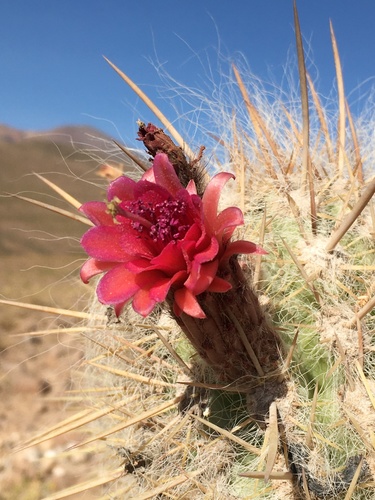
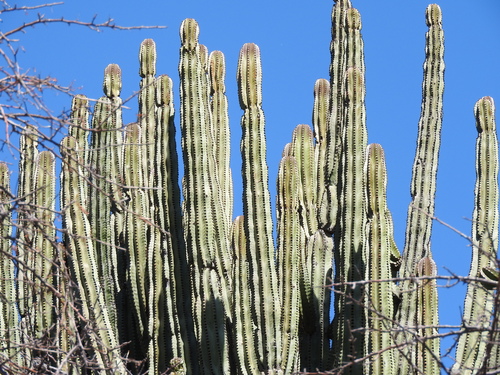
This is an erect or spreading cactus with long, narrow stems that can grow well over 1 meter in length, sometimes reaching close to 5 meters. The entire cactus is covered with long spines, which are yellow or have yellow tips, and can grow up to 4 centimeters long. It produces large tubular flowers that can reach up to 20 centimeters long; the flowers are sweet-scented, range in color from white to pinkish, and bloom at night. The fruit of Harrisia fragrans is spherical, colored red or orange, and measures up to 6 centimeters wide. These fruits are a favorite food source for local birds, which likely help disperse the cactus's seeds. This cactus is recorded to live at least 19 years, and generally has low fecundity. Older, larger plants have higher survival rates, and also have higher fecundity. Smaller individuals may benefit from growing alongside nurse plants. This species' preferred natural habitat is mostly partially shaded coastal hammocks, since it can dry out in full sun; it grows at elevations between 0 and 10 meters above sea level. This type of coastal hammock has become uncommon, as much of it has been cleared for development and become heavily fragmented. There are ten confirmed occurrences of this cactus. Nine of these confirmed populations are located around Savannahs Preserve State Park in St. Lucie County, and together held a total of 2150 individual plants in 2002. The tenth confirmed occurrence is in Canaveral National Seashore, Volusia County, and contains approximately 96 plants. An occurrence has been reported in Indian River County, but it has not been confirmed. This cactus once grew in at least two locations in Brevard County, but these populations have been extirpated.