About Harpullia hillii F.Muell.
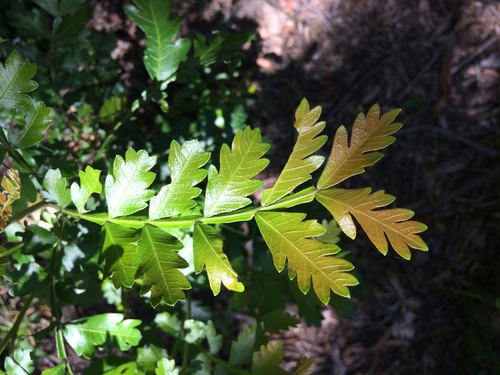
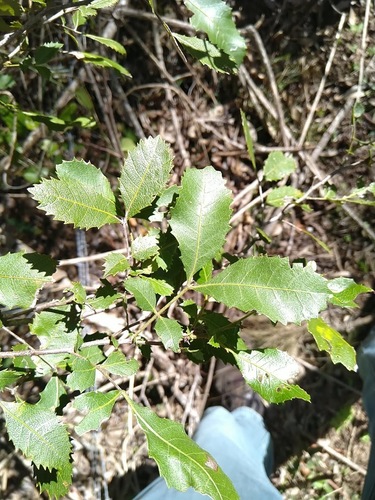
Harpullia hillii F.Muell. is a tree that usually reaches a height of 7 meters (23 feet), and may occasionally grow as tall as 20 meters (66 feet). New growth on this tree is covered in dark brown, woolly hairs. Its leaves are paripinnate, measuring 100 to 300 millimeters (3.9 to 11.8 inches) long, with 2 to 10 elliptic to egg-shaped papery leaflets that are narrower toward the base. Most leaflets are 55 to 160 millimeters (2.2 to 6.3 inches) long and 25 to 55 millimeters (0.98 to 2.17 inches) wide, and grow from a winged petiole 35 to 80 millimeters (1.4 to 3.1 inches) long.
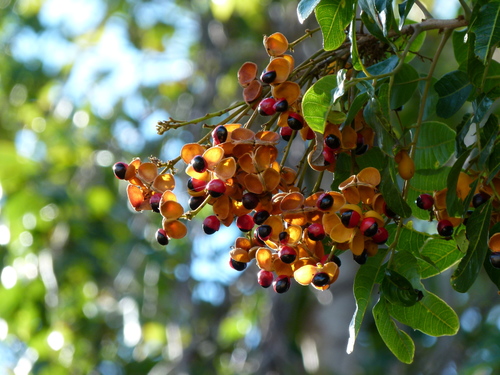
Flowers of Harpullia hillii are arranged in panicles that grow from leaf axils or the ends of branches, with panicles measuring 140 to 300 millimeters (5.5 to 11.8 inches) long. The sepals are 6 to 8 millimeters (0.24 to 0.31 inches) long and covered in velvety hairs; the petals are white and 8 to 12 millimeters (0.31 to 0.47 inches) long. There are 5 stamens, and the ovary is covered in velvety hairs. The fruit is a yellow, elliptic or oval capsule 13 to 15 millimeters (0.51 to 0.59 inches) long, with one seed per locule, each seed enclosed in a red aril.
Commonly known as tulipwood, this species usually grows in dry rainforest on hillsides, ranging from Cairns in Queensland to near Taree in New South Wales. The larvae of the common pencilled-blue butterfly (Candalides absimilis) feed on Harpullia hillii.
In horticulture, this species is cultivated for its dense foliage and ornamental, inedible berries. It grows best in partially shaded locations protected from frost. Plants can be propagated from fresh seeds that have been pre-soaked in water.