About Gypsophila paniculata L.
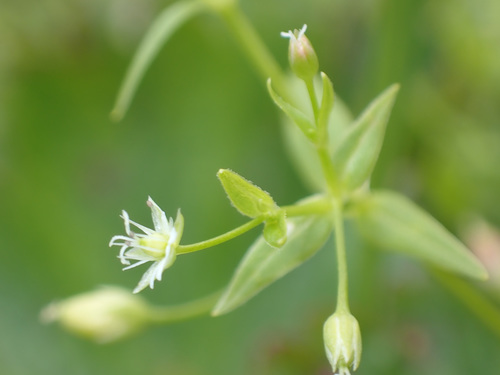
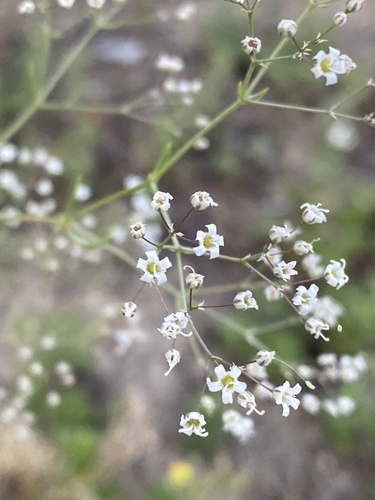
Gypsophila paniculata, commonly called baby's breath, common gypsophila, or panicled baby's-breath, is a flowering plant species in the Caryophyllaceae family. It is native to central and eastern Europe. This herbaceous perennial grows to 1.2 meters (4 feet) tall and wide, forming mounds of branching stems covered in cloud-like clusters of tiny white flowers during summer, which is one origin of its common name "baby's breath". Another proposed origin of the name comes from its scent, which has been described as similar to sour milk, like a baby's spit-up. Its natural habitat is dry, sandy and stony areas of the Steppes, where it often grows on calcareous soils, which aligns with its scientific genus name Gypsophila that means "chalk-loving". The first specimens of this plant were sent to Linnaeus from St. Petersburg by Swiss-Russian botanist Johann Amman. It is a popular ornamental garden plant that grows best in full sun, in well-drained soils that range from alkaline to neutral. Many cultivars have been selected for cultivation; the cultivar 'Rosenschleier', which produces pale pink double flowers, has earned the Royal Horticultural Society's Award of Garden Merit.