About Gymnosporia heterophylla (Eckl. & Zeyh.) Loes.
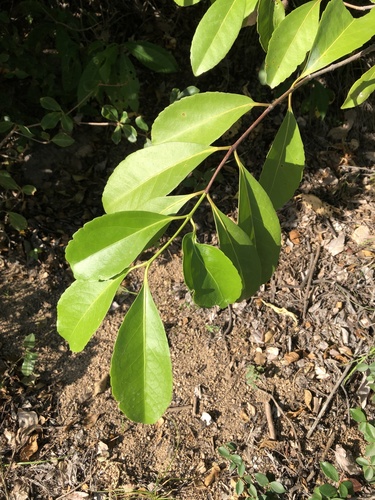
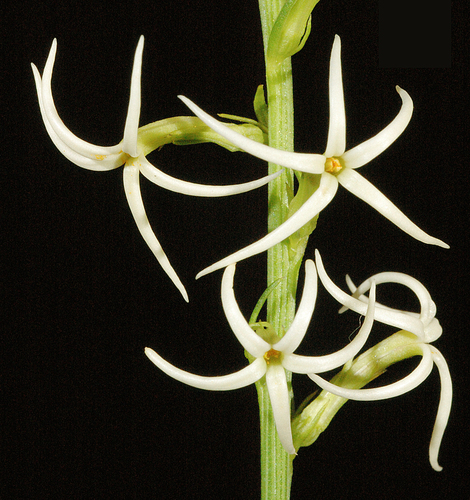
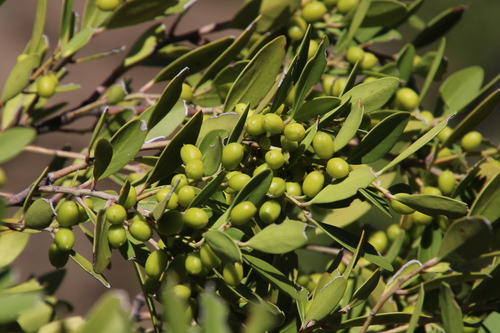
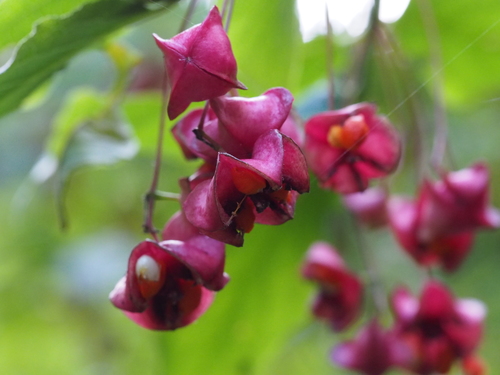
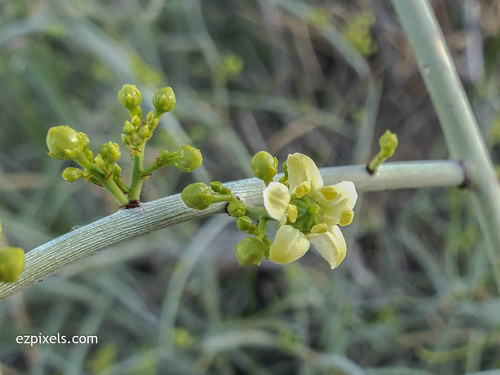
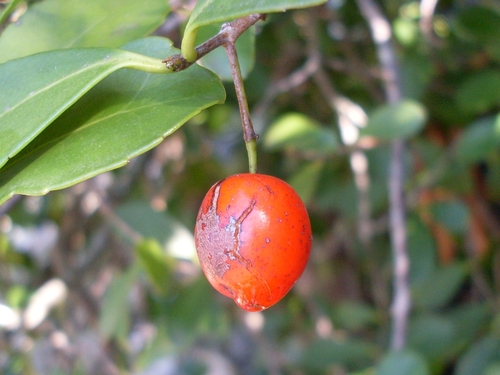
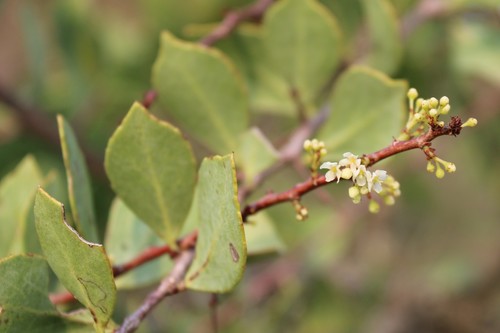
Gymnosporia heterophylla, commonly known as the common spike-thorn, is a small, hardy, deciduous African tree that grows up to 5 metres tall. It grows in rocky locations, and has a wide distribution: its range extends from Ethiopia, Sudan, and the Congo, south to Cape Province, west to Angola and Namibia, and also includes the neighbouring islands of Madagascar and Saint Helena. A closely related species is found in Mauritius. This species has a straggly but rigid growth habit, and is armed with sharp straight thorns up to 100 millimetres long; these thorns are modified branches. The bark of a mature trunk is grey-brown and deeply fissured. The species is dioecious. In spring, it produces abundant clusters of white flowers that grow on thicker twigs and branches. These flowers have a foul, faecal odour, which attracts large numbers of pollinating insects, especially carrion-feeding flies such as members of the Calliphoridae family. The tree has a close relationship with several cicada species, including Platypleura divisa, P. mijburghi, and P. maytenophila. Its specific epithet "heterophylla" translates to "variable leaves". Looking at the species' past synonyms gives an interesting view of how botanists have classified it since 1753, when Linnaeus thought the leaves resembled boxwood and named it Celastrus buxifolius. Since that time, it has been given a range of other species names based on leaf shape: ellipticus, heterophyllus, spathephyllus, empleurifolius, rhombifolius, parvifolius, and buxifolioides, making the epithet heterophylla particularly appropriate. It grows quickly and forms a very effective security hedge. Its wood is hard and durable, making it suitable for carving, although large pieces of this wood are not often available.