About Gutierrezia microcephala (DC.) A.Gray
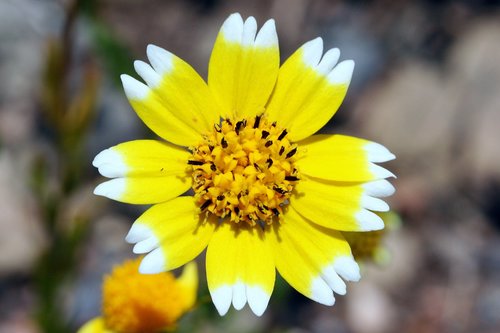
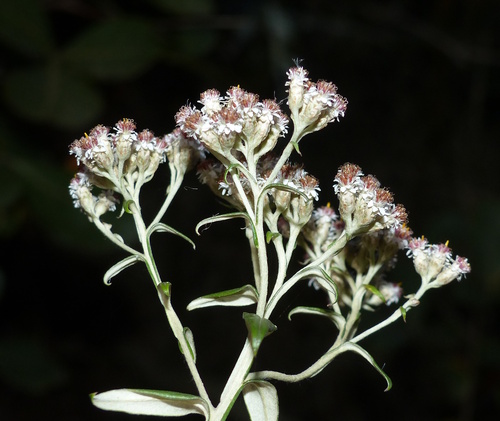
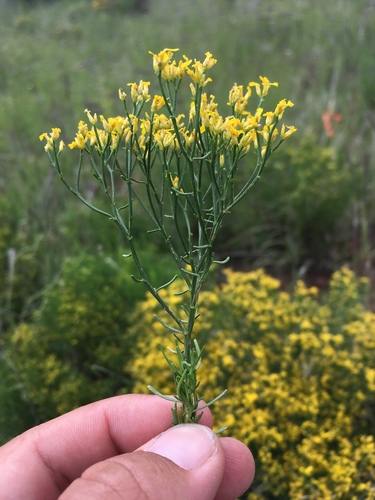
Gutierrezia microcephala is a small, resinous perennial desert subshrub. It typically grows 20 to 60 centimetres (7.9 to 23.6 inches) tall, and reaches less than 100 centimetres (39 inches) in diameter. It is heavily branched, often growing into a nearly spherical shape. New shoots and twigs are green to yellow, while older plant parts are brown and woody. Its leaves are linear, threadlike, and arranged alternately along stems; they grow 1 to 4 centimetres (0.39 to 1.57 inches) long and 0.5 to 2 millimetres (0.020 to 0.079 inches) wide. In addition to the leaves, the plant’s stem tissue is photosynthetic, giving it a high photosynthetic capacity. This species typically flowers from July to October, though flowering timing can vary based on precipitation levels. When in bloom, sessile inflorescences holding 5 or 6 flowers grow at the tips of stem branches. The knobby, waxy yellow flower buds open into golden yellow flower heads. Each head has one or two disc florets 2.2 to 3.3 millimetres (0.087 to 0.130 inches) in diameter, and one or two ray florets 2.1 to 3.5 millimetres (0.083 to 0.138 inches) in diameter. Mature plants produce many achenes, though most seeds fall within a few metres of the parent plant. This limited spread occurs because the plant produces a very small pappus, which makes wind-borne seed dispersal very inefficient. This native North American plant is found across the southwestern United States, ranging from California east to Texas and Colorado, and in northern Mexico from Baja California to Tamaulipas, Veracruz, and Zacatecas. It grows in a variety of ecoregions, including arid grasslands, chaparral, sand dunes, and oak or oak-pine woodlands. It is primarily found in well-drained sandy, gravelly, or rocky soils, and often grows in intermittently dry creeks or on their adjacent slopes. It frequently dominates areas with shallow, rocky soil where grasses do not grow well. Gutierrezia microcephala can be toxic to livestock, especially when it grows in sandy soil. Toxicity comes from the presence of saponins, alkaloids, terpenes, and flavonols, as well as high concentrations of selenium; measured selenium levels in this species have reached 1287 ppm. Known toxicity symptoms include abortion and death. As little as 9 kilograms (20 pounds) of fresh Gutierrezia microcephala consumed by cattle over seven days can cause abortion. For cattle, sheep, and goats, consuming an amount equal to ten to twenty percent of their body weight over two weeks can cause death. This plant was used for various purposes by Native American groups. The Cahuilla used an infusion of the plant as a gargle, or placed the plant directly in the mouth to relieve toothache. The Hopi and Tewa both used the plant as a carminative, as a decoration for prayer sticks, and to roast sweet corn. The Navajo applied a poultice of the plant to the back and legs of horses, for reasons that are not documented. The Zuni steeped the flower heads in boiling water to make a tea, which they used as a diuretic, tonic, and sweat-inducer; they also used the plant as an indicator of water. Gutierrezia microcephala has little known use for wildlife, and is generally not eaten by livestock unless no other forage is available.