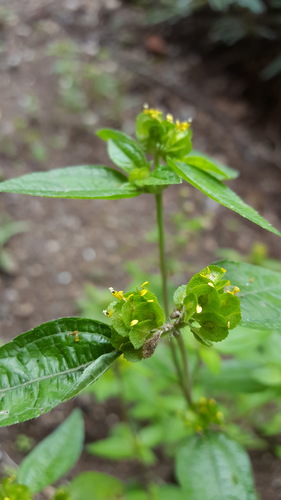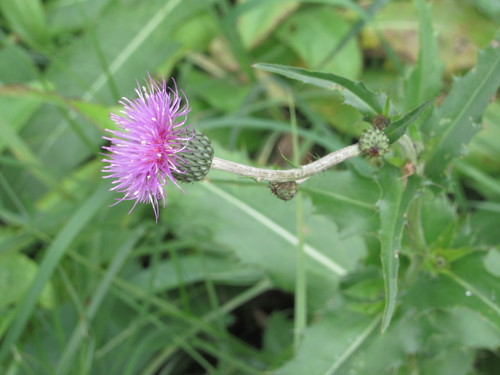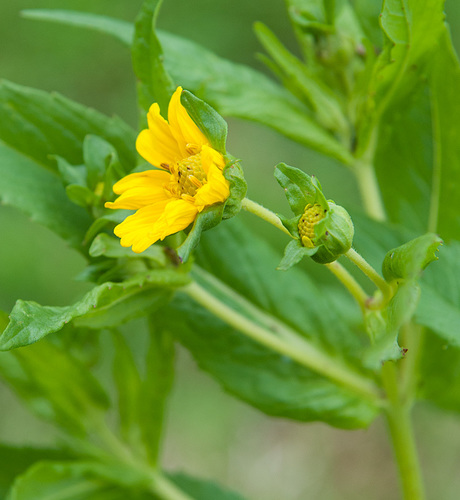
About Guizotia abyssinica (L.fil.) Cass.
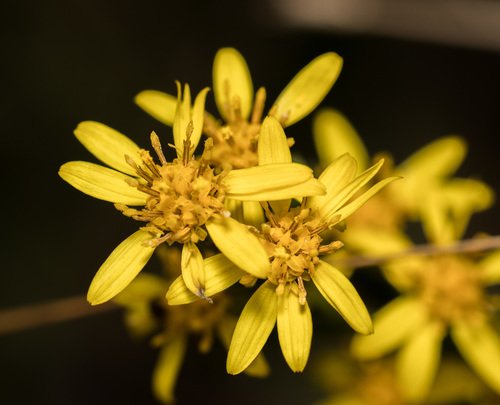
Guizotia abyssinica (L.fil.) Cass. is an erect, stout, branched annual herb grown for its edible oil and seed. Its cultivation originated in the Eritrean and Ethiopian Highlands, and has since spread to other regions of Ethiopia. Common names for this species include noog/nug (from Ethio-Semitic and Eritrean ኑግ nūg or ኒህዩግ nihyug); ramtil or ramtilla; niger or nyger seed (both pronounced NY-jər); inga seed; and blackseed. This species, also called noug, is described as a semi-domesticated, self-incompatible crop that produces yellow flowering heads and seeds. Recent studies have used RAPD and AFLP markers to reveal regional genetic diversity in noug populations grown in Ethiopia. For successful cultivation, niger seed requires an annual moderate rainfall between 1,000 to 1,250 millimetres (39 to 49 in) and moist soil. It grows best in light black soils or deep brownish loam, but it can also be grown in well-drained heavy soils or rocky laterite soils. It tolerates both full sun and semi-shade. Under favorable conditions, average seed yield ranges from 300–400 kilograms per hectare (270–360 lb/acre), and yields can reach up to 600 kilograms per hectare (540 lb/acre). It produces a dependable yield even when growing in unfavorable climatic conditions. The seed of this plant is technically an achene (a type of dry fruit), and is widely sold as birdseed because it is a favorite food of finches, especially goldfinches and greenfinches (Chloris). In the birdseed trade, niger is often called thistle seed. This name is incorrect, originating from early marketing that labeled the seed as "thistle" to capitalize on finches' known preference for thistle. The Wild Bird Feeding Industry (WBFI) trademarked the name Nyjer "... to eliminate product confusion and the offensive mispronunciation of Niger as well as to promote a positive image for the use of 'Guizotia abyssinica' as a wild bird feed." In 1982, the USDA required that all imported niger seed undergo heat sterilization to kill contaminant dodder seed. However, this treatment did not kill seeds of other federally regulated noxious weeds, including Asphodelus fistulosus (onion weed), Digitaria spp. (which includes African couchgrass), Oryza spp. (red rice), Paspalum scrobiculatum (kodo millet), Prosopis spp. (which includes mesquites), Solanum viarum (tropical soda apple), Striga spp. (witchweed), and Urochloa panicoides (liver-seed grass). In 2001, a new treatment requirement was introduced, mandating that imported niger seed be heat treated at 120 °C (248 °F) for 15 minutes. In 2002, the 'EarlyBird' variety of Guizotia abyssinica, which reaches crop maturity in 65 days, was developed and adapted for cultivation in the United States. This variety is protected by a U.S.D.A. Plant Variety Protection Certificate under number 9900412. A second variety, called 'Earlybird 50', was submitted to the U.S.D.A. for Plant Variety Protection under Application Number 200500140. It matures in 50 days, grows as a shorter, more dense plant with higher yield, and is less susceptible to lodging than the original 'EarlyBird' variety. Both varieties have short enough maturity periods to make commercial production feasible in many U.S. growing regions. Guizotia abyssinica is not classified as a U.S. Federal noxious weed, and is now grown commercially in the United States, often planted as a first or second crop before or after wheat, maize, soybeans, and cucurbits. Niger is self-sterile and requires bees for cross pollination. For culinary and medicinal use, niger seeds are eaten by humans in southern parts of India. In Karnataka, Andhra Pradesh and Maharashtra, niger seeds (called valisalu/valasulu in Telugu, uchellu/gurellu in Kannada, and karale in Marathi) are used to make a dry chutney, which is served as an accompaniment to breads such as chapati. The seeds are also used as a spice in some curries. In Ethiopia, an infusion made from roasted and ground niger seeds, sugar and water is used to treat common colds. For other uses, a paste or gruel made from lightly roasted and ground niger seed, mixed with roasted and ground flaxseeds (called telbah in Amharic) and hot water, is traditionally used in Ethiopia to treat leather. The seed's oil is widely used for industrial purposes including soap making, paint preparation, and making different types of emulsions. The seed itself is commonly used as bird food. Because the seeds are very small, specialized bird feeders are manufactured specifically for holding niger seed. In the United Kingdom, the seeds attract finches and siskins. Niger oil cake, the solid residue left after extracting oil from the seeds, is high in protein and used as livestock feed, particularly in Ethiopia. Due to its concentration of caffeic acid and other phenolic compounds, Guizotia abyssinica seed extract can be added to culture media to distinguish Cryptococcus sp. colonies from other yeast colonies. This works because Cryptococcus sp. produces darker melanic pigments when grown with the extract, while other yeasts do not.