About Gossypium herbaceum L.
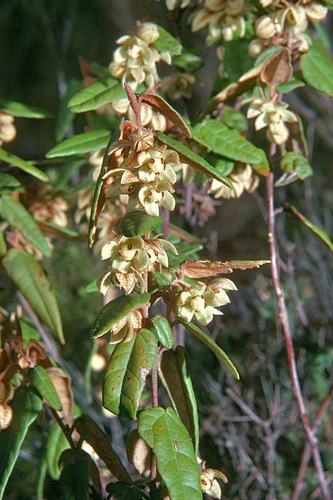
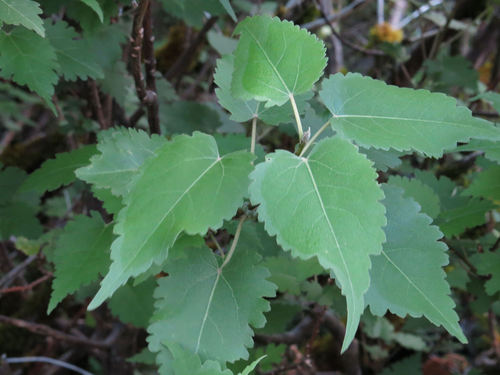
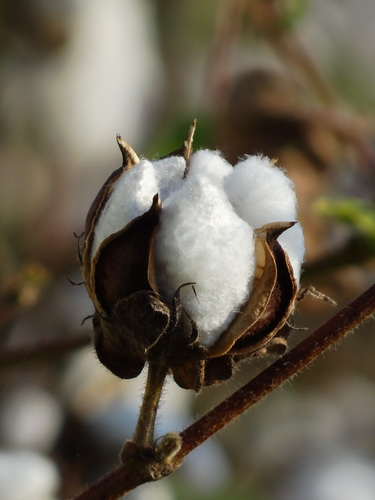
Gossypium herbaceum L. has tall stems that reach 60 to 180 centimetres (2 to 6 ft) in height, and bears wide, hairy leaves. Its flowers are small and yellow with a purple center. This species has extrafloral nectaries, specifically calyculal nectaria, which are located on the receptacle near the base of the calyculus. When ripe and grown in warm weather, the plant's flower capsule bursts open to expose cotton that is firmly wrapped around its seeds. The cotton produced by Gossypium herbaceum is short, measuring about 25 millimetres (1 in) long, and remains firmly attached to the seed, which itself is covered in fine hairy down. Cotton fibres grow from the surface of the seeds, and can be separated from the seeds either by hand or mechanically; the separated long fibres are called lint. These cotton fibres are made up of nearly pure cellulose. The typical expected yield of this plant is 340 kilograms per hectare (300 pounds per acre).
The main use of cotton lint from this species is to produce textiles for clothing. The fibres are spun into yarns, which are then woven into fabrics, and this process can take place on small farms, in homes, or in large factories. Cotton fabric is widely valued for its comfortable, breathable properties, its durability, and its ability to take stains easily.
The cotton plant itself has medicinal uses, and it is traditionally cultivated in home backyards to treat a range of conditions including women's menstrual cycle pain and irregular bleeding. It is also used after childbirth to help expel the placenta and increase lactation, as well as to treat gastrointestinal issues such as hemorrhages and diarrhea, in addition to nausea, fevers and headaches. In the Levant, seeds of Gossypium herbaceum have also been used for food, animal feed, or oil extraction. Cotton seeds contain up to 20% oil and 20% protein, making them potentially highly nutritious as food or feed.
However, all Gossypium species, including Gossypium herbaceum, have small glands in every plant organ except the roots, and these glands are especially abundant in seeds. These glands contain toxic chemicals, most notably the polyphenolic compound gossypol. Gossypol is highly toxic to animals, and acts as part of the plant's natural defense system against herbivorous arthropods. It can cause severe growth and development disorders in humans as well as domestic animals, particularly for monogastric animals, while polygastric animals are more or less tolerant to it. For this reason, using cotton oil or whole seeds for human nutrition requires processing to remove gossypol, typically through heating or other treatment methods. Gossypol that is extracted from cotton seeds has potential use as a male contraceptive, but repeated use can cause irreversible infertility. Studies in laboratory rats have found that gossypol can terminate early pregnancies.