About Glycyrrhiza glabra L.
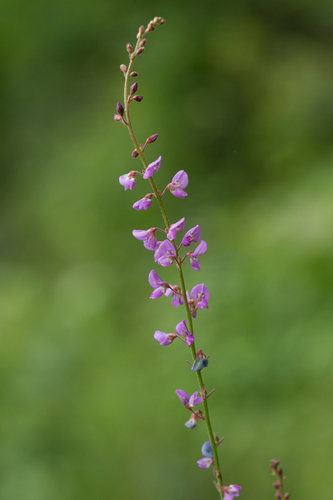
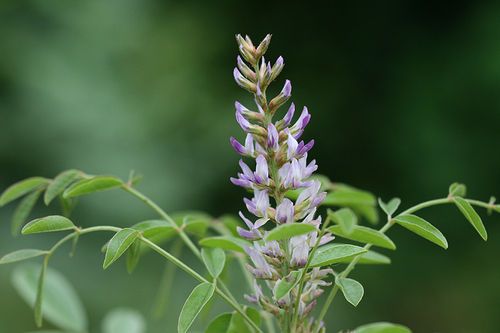
Glycyrrhiza glabra L., commonly called liquorice, is a herbaceous perennial plant. It grows up to 1 meter (40 inches) in height, and has pinnate leaves 7–15 cm (3–6 inches) long that each hold 9–17 leaflets. Its flowers measure 8–12 mm (5⁄16–1⁄2 inch) long, range in color from purple to pale whitish blue, and grow in loose inflorescences. The plant produces an oblong pod fruit 20–30 mm (3⁄4–1+1⁄8 inch) long that contains several seeds, and it has stoloniferous roots.
Liquorice has documented dose-limiting toxicities of a corticosteroid nature. This toxicity comes from the inhibitory effect of its main active constituents, glycyrrhizin and enoxolone, on cortisol degradation. Reported toxic effects include oedema, hypokalaemia, weight change (gain or loss), and hypertension.
Liquorice grows best in well-drained soil located in deep valleys with full sun exposure. It is harvested in the autumn, two to three years after planting. Major producing countries are Turkey, Greece, Iran, and Iraq.
Liquorice flavour is used in a wide range of candies and sweets. Most of these candies have low actual liquorice content, with aniseed oil added to reinforce the characteristic flavour. In the Netherlands, liquorice confectionery called drop is a common sweet sold in many forms. It is frequently mixed with mint, menthol, aniseed, or laurel, and is also combined with ammonium chloride (salmiak) to make salmiak liquorice, known locally as zoute drop or salty liquorice. Strong, salty liquorice sweets are also consumed in Nordic countries, where liquorice-flavoured alcohols are sold, particularly in Denmark and Finland. Dried liquorice root sticks are a traditional confection in the Netherlands, just as they once were in Britain. They were sold as plain zoethout (meaning 'sweet wood') sticks to chew as candy. Pontefract in Yorkshire, England, is the origin of the modern practice of mixing liquorice with sugar to create a sweet, and the original Pontefract cakes were produced there. In Cumbria, County Durham, Yorkshire and Lancashire, it is colloquially called 'Spanish', a name said to come from Spanish monks growing liquorice root at Rievaulx Abbey near Thirsk. In Italy, Spain, and France, liquorice is used in its natural form: the harvested root is washed, dried, and chewed directly as a mouth freshener. Throughout Italy, unsweetened liquorice is sold as small black pieces made from 100% pure liquorice extract. In Calabria, a liqueur is produced from pure liquorice extract, and in Reggio Emilia a soft drink called acqua d'orcio is made from the plant. In parts of the Arab world including Egypt and the Levant, liquorice root is used to make a cold sweet, mildly bitter beverage called Erk al-sous, which is especially popular during Ramadan. In southeastern Turkey, such as Diyarbakır, liquorice root is traditionally made into a chilled beverage most commonly consumed in summer.
In traditional Chinese medicine, the related species Glycyrrhiza uralensis (often translated as liquorice) is known as gancao (Chinese: 甘草; lit. 'sweet grass'), and is believed to harmonize the other ingredients in a medicinal formula. There is no high-quality clinical research to confirm that it is safe or effective for any medicinal purpose. The European Medical Agency has added liquorice to its list of herbal medicines.