About Gentianella amarella (L.) Börner
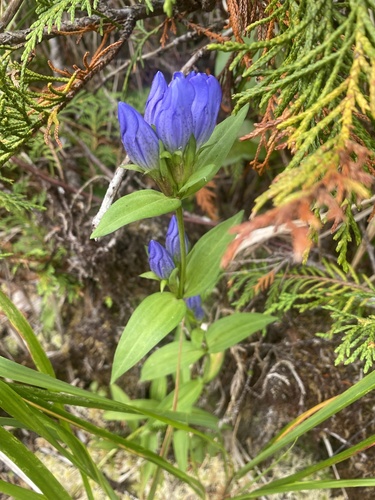
Gentianella amarella, commonly known as autumn gentian, autumn dwarf gentian, or autumn felwort, is a biennial herbaceous plant. In its first year of growth, it only produces a low leaf rosette with elliptical to lanceolate leaves. In its second year, it typically grows a stem between 5 and 30 centimeters long, occasionally ranging from 3 to 50 centimeters. The stem is either straight or branched just above its base, and is leafless at flowering time — a trait that distinguishes it from similar species.
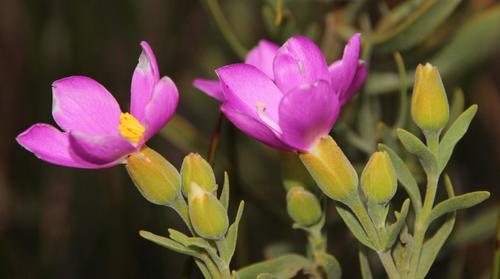
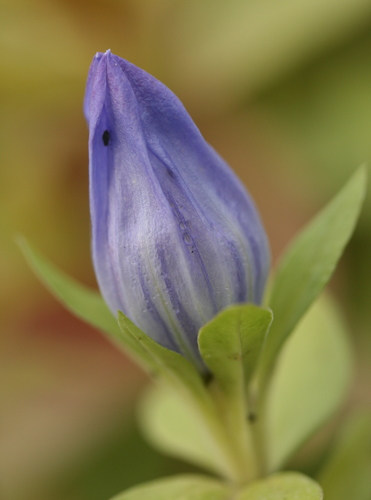
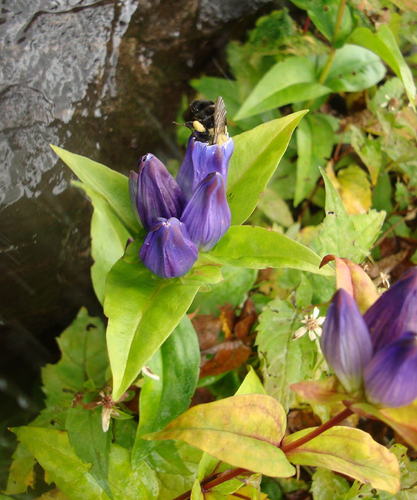
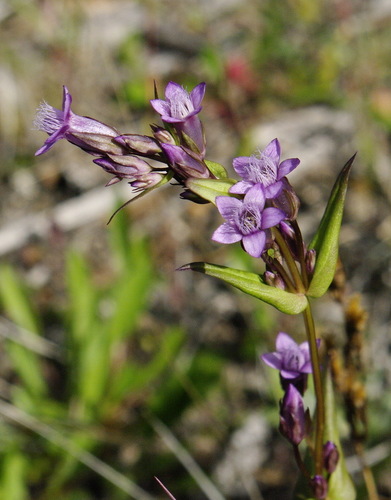
Its flowering period runs from July to early October, with numerous flowers produced in the leaf axils. These relatively small, hermaphrodite flowers are purplish bells; the reddish-violet corolla is trumpet-shaped, 12 to 22 mm long, with five petals and a double perianth consisting of a calyx and a corolla. The calyx is much shorter than the corolla tube. The five calyx lobes are upright and mostly somewhat unequal in size. The corolla throat is bearded. The ovary and resulting fruit are sedentary, or rarely short-stalked. The chromosome number for this species is 2n = 36.
Gentianella amarella was first published in 1753 by Carl Linnaeus under the basionym Gentiana amarella. The new combination placing it in the genus Gentianella as Gentianella amarella was published in 1912 by Carl Julius Bernhard Börner. The specific epithet "amarella" means "somewhat bitter". There are approximately five recognized subspecies of Gentianella amarella. For its ecology, this species grows in grassland, often on lime-rich soil, and is typically found on chalk in England. It grows on dry, sandy or calcareous soils, but can also grow on wet peat or marl soils, allowing it to thrive in bog meadows. It is a member of the molinion plant association.