About Fraxinus anomala Torr. ex S.Watson
Species Naming and Growth Form
Fraxinus anomala, commonly called singleleaf ash, is a deciduous plant that grows as a shrub or small tree, reaching a maximum height between five and six meters.
Leaf Structure
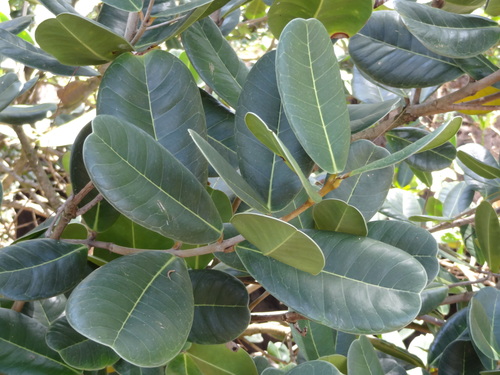
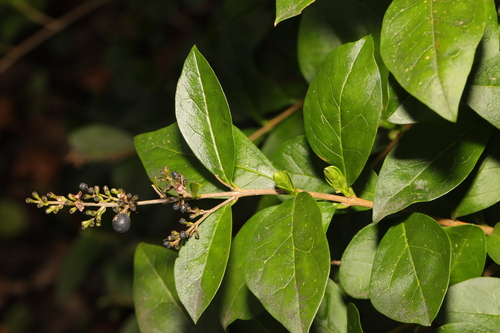
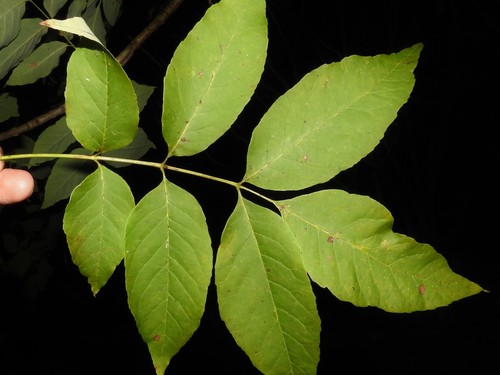
Its leaves can be simple or compound; compound leaves are made up of up to five leaflets that resemble individual full leaves. Each leaflet ranges from oval to round in shape, and may have toothed edges.
Flower Characteristics
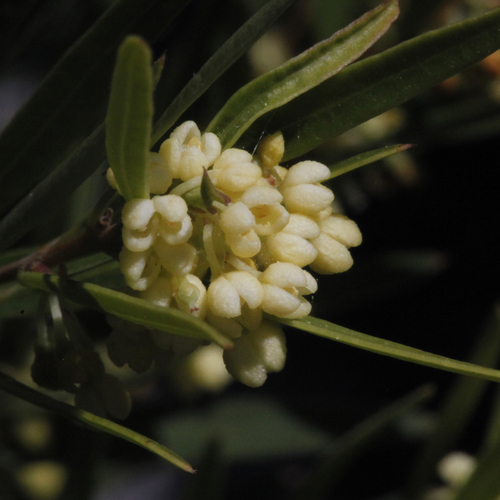
The plant produces inconspicuous brownish flowers that have no petals.
Fruit Structure
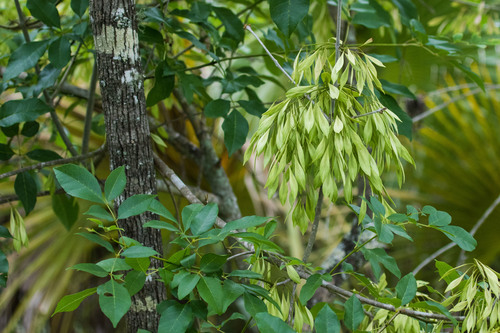
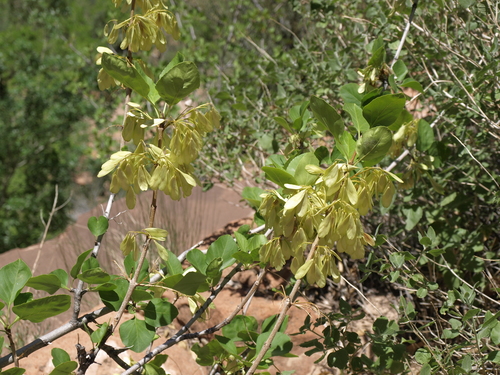
Its fruit is a flat samara, measuring up to two centimeters long and one centimeter wide. Young samaras are green, and they turn tan to brown when mature; these fruits grow in hanging bunches.
General Distribution
This species is distributed across the southwestern United States. Its main range centers on southern and southeastern Utah.
Arizona Distribution
In Arizona, it grows along the Arizona transition zone of the Mogollon Rim, and its range extends down the main canyons of northern Arizona's Grand Canyon.
Colorado Distribution
From Utah, the range extends into the upper basins of the Colorado and Dolores Rivers flowing from western Colorado, and also into the smaller Yellowjacket and McElmo Rivers in extreme southwestern Colorado.
California Habitat
In California, it occurs in sky island chaparral and woodland habitats of the Mojave Desert.
Outlying Populations
Small isolated populations are also found in southern Nevada and southern Wyoming.