About Formica fusca Linnaeus, 1758
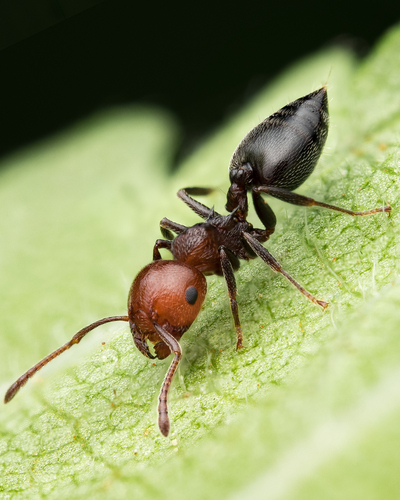
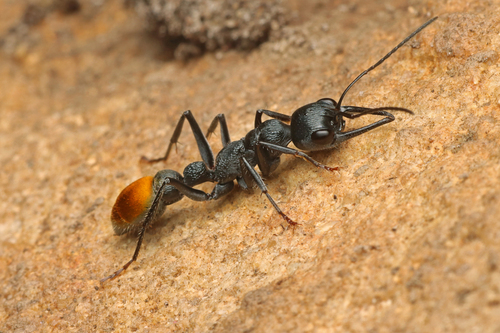
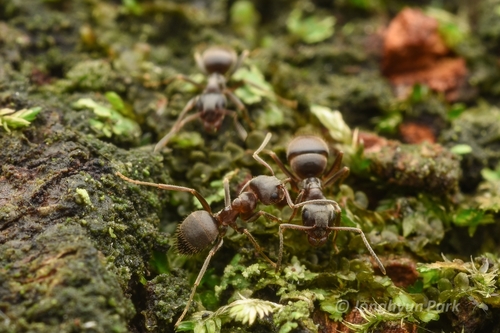
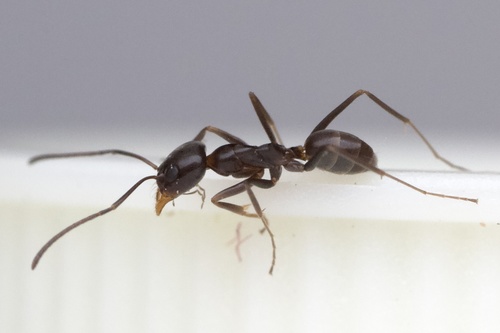
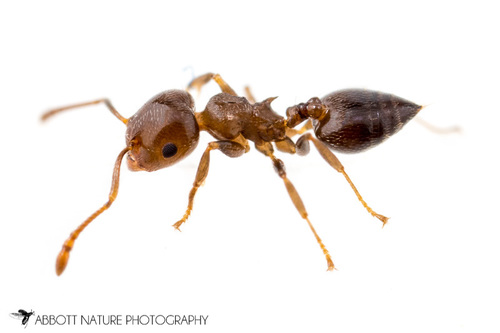
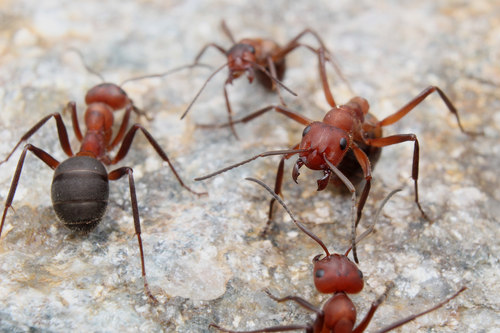
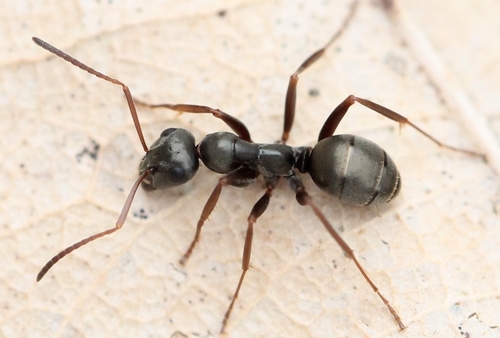
Formica fusca Linnaeus, 1758 is a black ant that is commonly found across Europe, as well as parts of southern Asia and Africa. Its common names are the silky ant and the dusky ant. Within the Palearctic region, its range stretches from Portugal in the west to Japan in the east, and from Italy in the south to Fennoscandia in the north. Populations that were previously classified as this species in North America have now been separated into their own distinct species, Formica subaenescens. Nests of Formica fusca are typically located in rotten tree stumps or under stones in clearcut areas, along woodland borders, and beside hedgerows. This species also frequently occurs in urban areas, where it feeds on honeydew produced by aphids that live on weeds. In terms of its ecology, Formica fusca feeds on small insects such as codling moth larvae, aphid honeydew, and extrafloral nectar from nectaries. Worker ants of this species have very high resistance to some pathogens. This resistance is thought to come from Formica fusca making use of the antibiotic properties of its formic acid, in addition to the use of its metapleural gland. Larvae of Microdon megalogaster, a species in the ant fly genus, have been observed living inside the nests of these ants. The inquiline relationship between these fly larvae and Formica fusca is not yet well understood.