About Flueggea virosa (Roxb. ex Willd.) Royle
Taxonomy and Native Range
Flueggea virosa, commonly known as the white pear or snowberry, is a small shrub belonging to the family Phyllanthaceae. It is native to tropical and subtropical regions of Asia and Africa.
Growth Habit and Size
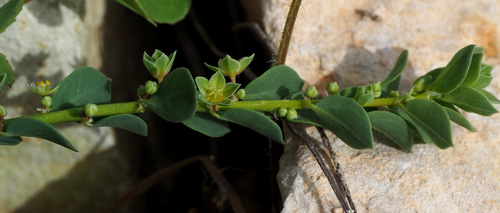
The plant can grow up to 2 meters in height and has a spreading habit with numerous branches.
Leaf Features
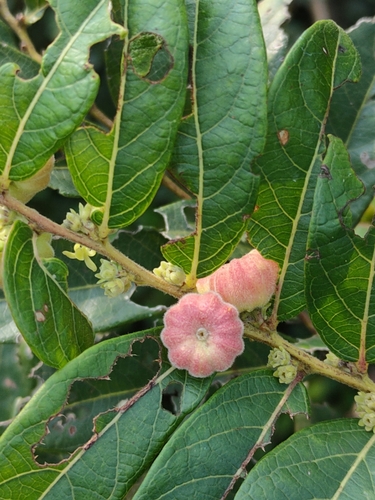
The leaves of Flueggea virosa are simple, alternate, and either ovate or elliptic in shape with smooth margins.
Flower and Fruit Characteristics
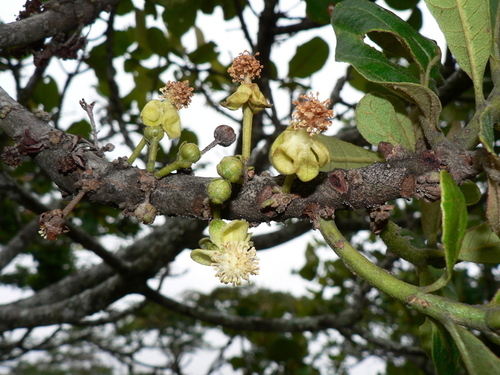
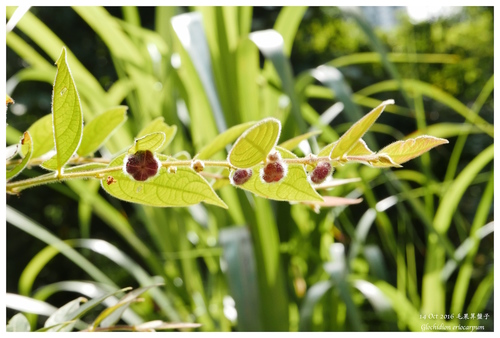
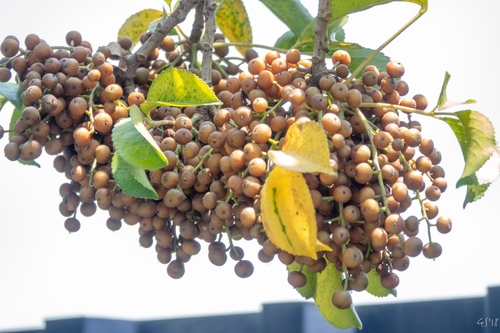
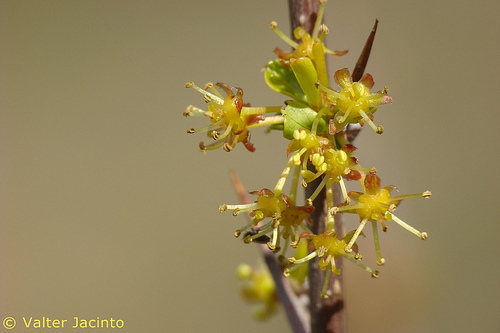
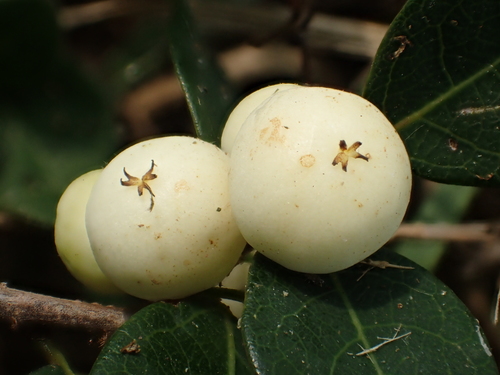
The small, greenish-white flowers bloom from June to August. The fruit is a small, white berry that contains numerous seeds.
Active Phytochemicals and Medicinal Properties
This plant possesses various medicinal properties, including anti-inflammatory, analgesic, antipyretic, and anti-cancer activities, due to the presence of phytochemicals such as alkaloids, flavonoids, and terpenoids.
Traditional and Practical Uses
Flueggea virosa is used in traditional medicine to treat various ailments like fever, coughs, and colds. It also has insecticidal properties, making it useful for controlling pests like mosquitoes.
Ecological and Economic Significance
Overall, Flueggea virosa is an important medicinal plant with potential therapeutic benefits, making it a significant species from both ecological and economic perspectives.