About Ficus benghalensis L.
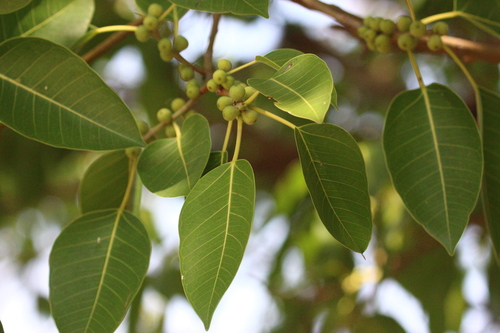
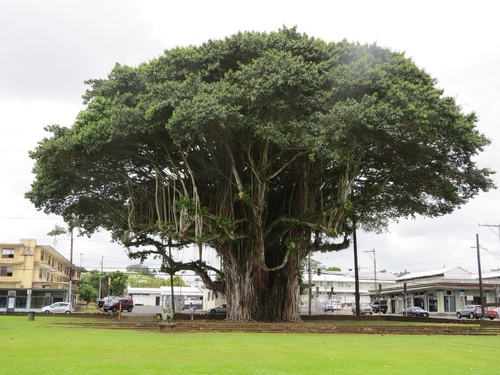
Ficus benghalensis L. is an evergreen, monoecious, fast-growing tree found primarily in monsoon forests and rainforests, and can reach a maximum height of 30 meters. It is resistant to both drought and mild frost. This tree produces propagating aerial roots that grow downward; once these roots reach the ground, they take root and develop into supportive woody trunks.
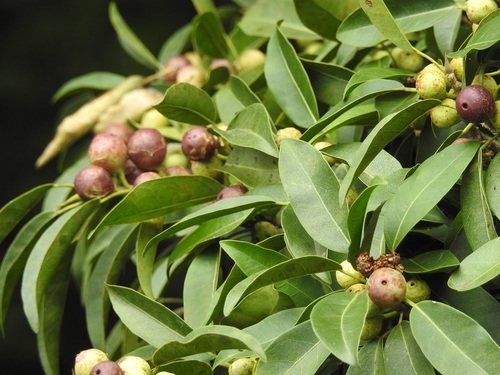
Birds such as the Indian myna eat the figs produced by this tree. Fig seeds that have passed through a bird's digestive system are more likely to germinate than seeds that have not. Banyan trees reproduce easily either by seed or by stake. They often spread away from their original location via aerial roots, which anchor in the ground, grow and thicken until they become independent of the original trunk, allowing the tree to emigrate sometimes over great distances.
All types of frugivorous birds including the coppersmith barbet and the common myna eat the tree's figs. Seeds that have passed through a bird's digestive system are not only more likely to germinate, they also grow faster. Banyan seeds can fall and grow near a tree, sometimes even the same tree they came from, and they also commonly germinate in hollows of tree trunks, on walls, or on rocks. Once germinated, they grow gradually as epiphytes, using whatever object they land on for support while they climb in search of sunlight. Under normal conditions, the tree continues growing until it reaches the level where it gets the most sunlight, so its height can vary considerably. In areas where this tree is the dominant species, individual trees spread out horizontally rather than growing tall, to fill gaps left open by other vegetation. In general, the diameter of the tree's crown is far larger than its height.