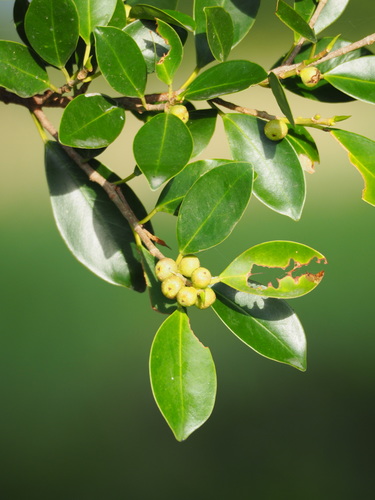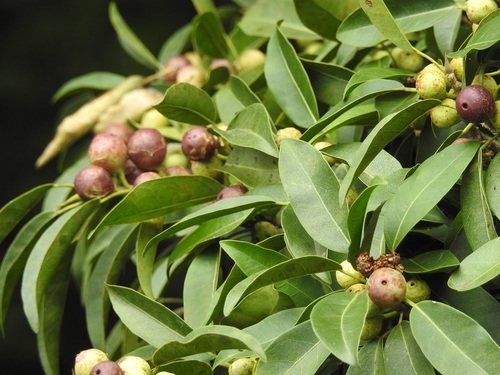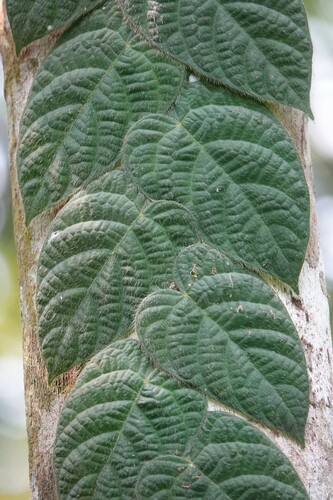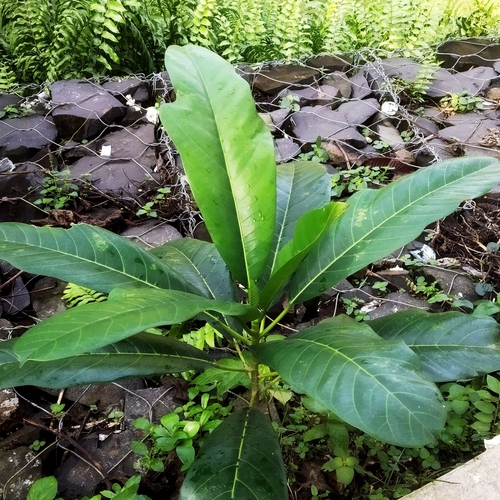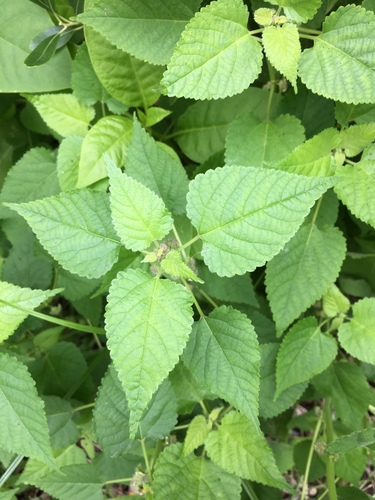
Fatoua villosa (Thunb.) Nakai is a plant in the Moraceae family, order Rosales, kingdom Plantae. Not known to be toxic.

Photo of Fatoua villosa (Thunb.) Nakai (Fatoua villosa (Thunb.) Nakai)
🌿 Plantae

Fatoua villosa (Thunb.) Nakai

Fatoua villosa (Thunb.) Nakai

Fatoua villosa, commonly called mulberry-weed, is a usually annual hairy herb that explosively disperses its seeds.

Family
Genus
Fatoua
Order
Rosales
Class
Magnoliopsida
⚠️ Toxicity Note

Insufficient toxicity evidence; avoid direct contact and ingestion.

About Fatoua villosa (Thunb.) Nakai

Fatoua villosa is most commonly an annual herb, though it can grow as a perennial herb in the deep southern United States. Its entire surface is covered with a mix of glandular and recurved hairs, which makes the plant feel sticky to the touch. Its leaves have a similar shape to mulberry leaves, which is why it is commonly known as mulberry-weed. These leaves are heart-shaped, can grow up to 10 centimeters long, and have crenate margins. A pair of stipules grows at the base of each leaf. Fatoua villosa is a monoecious species, meaning individual plants bear separate male and female flowers on the same individual. Both male and female flowers grow grouped in axillary clusters. Its fruit produces a single seed, and the fruit explosively discharges the seed up to several meters away.
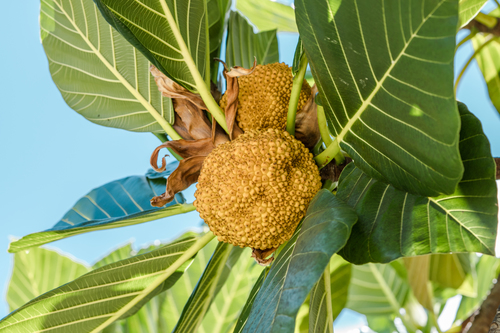
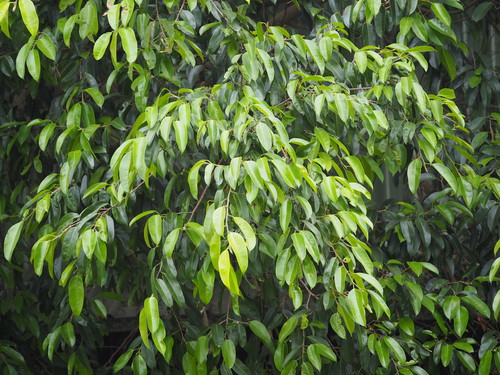
Photo: (c) craghorne, all rights reserved

Taxonomy

Plantae Tracheophyta Magnoliopsida Rosales Moraceae Fatoua

More from Moraceae

Sources: GBIF, iNaturalist, Wikipedia, NCBI Taxonomy · Disclaimer

Identify Fatoua villosa (Thunb.) Nakai instantly — even offline

iNature uses on-device AI to identify plants, animals, fungi and more. No internet needed.

Download iNature — Free

Start Exploring Nature Today

Download iNature for free. 10 identifications on us. No account needed. No credit card required.

Download Free on App Store