Megachilidae
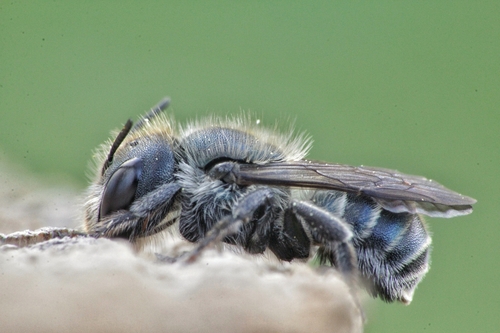
Osmia caerulescens (Linnaeus, 1758)
Osmia caerulescens (Linnaeus, 1758)
Osmia caerulescens is a primarily Palearctic mason bee with distinct male and female physical traits, now also found in introduced North American populations.
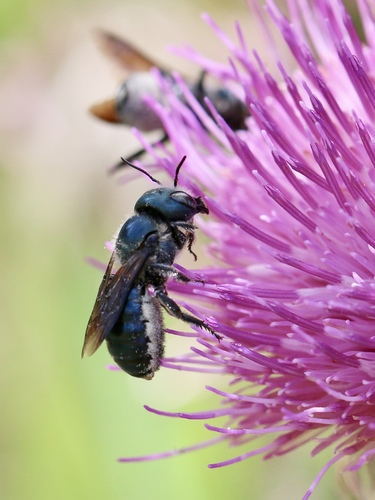
Osmia chalybea Smith, 1853
Osmia chalybea Smith, 1853
Osmia chalybea is a Megachilidae bee species found in North America.
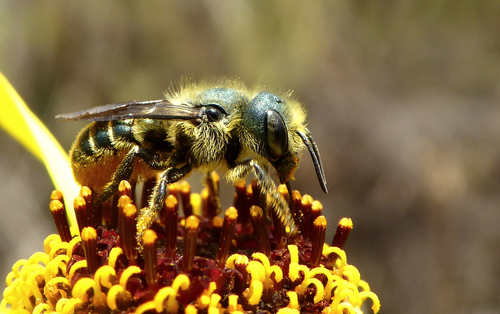
Osmia coloradensis Cresson, 1878
Osmia coloradensis Cresson, 1878
Osmia coloradensis, the Colorado osmia, is a Megachilidae bee found in North and Central America.
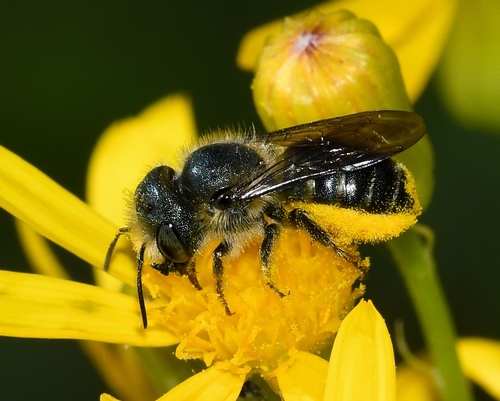
Osmia georgica Cresson, 1878
Osmia georgica Cresson, 1878
Osmia georgica Cresson, 1878 is a Megachilidae bee species found in Central and North America.
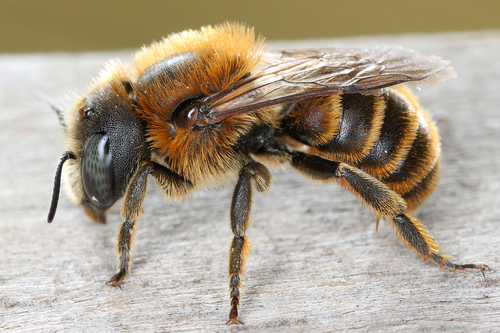
Osmia aurulenta (Panzer, 1799)
Osmia aurulenta (Panzer, 1799)
Osmia aurulenta is a bee species found across Europe and western Asia that nests in empty snail shells, with polylectic foraging habits.
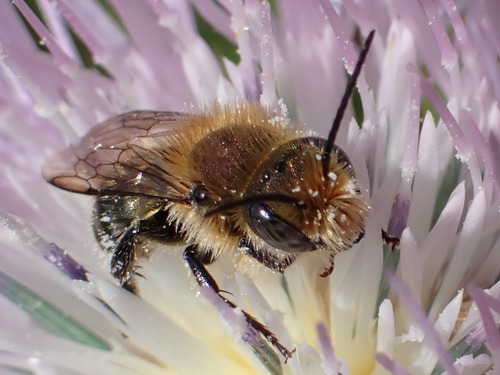
Osmia latreillei (Spinola, 1806)
Osmia latreillei (Spinola, 1806)
Osmia latreillei is a mason bee of the Megachilidae family, mainly found across central and southern Europe.
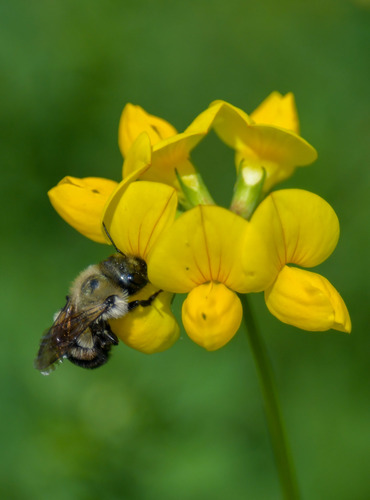
Osmia bucephala Cresson, 1864
Osmia bucephala Cresson, 1864
Osmia bucephala, the bufflehead mason bee, is a Megachilidae bee species found in North America.
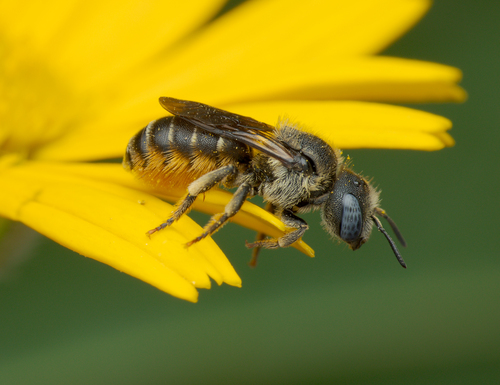
Osmia spinulosa (Kirby, 1802)
Osmia spinulosa (Kirby, 1802)
Osmia spinulosa is a small Asteraceae-specialist bee that nests in snail shells across Europe and western to central Asia.
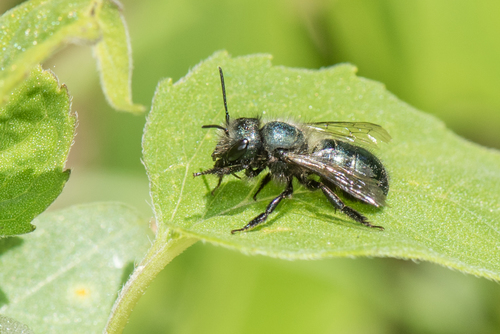
Osmia lignaria Say, 1837
Osmia lignaria Say, 1837
Osmia lignaria, the orchard mason bee, is a megachilid bee commonly used for early spring fruit bloom pollination in the US and Canada.
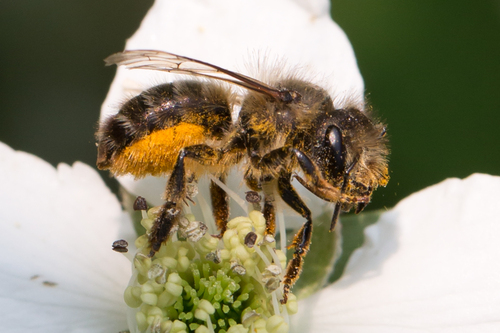
Osmia cornifrons (Radoszkowski, 1887)
Osmia cornifrons (Radoszkowski, 1887)
Osmia cornifrons, the horned-face bee, is a docile solitary bee native to Northern Asia widely used for effective crop pollination.

Osmia cornuta (Latreille, 1805)
Osmia cornuta (Latreille, 1805)
Osmia cornuta is an early-spring solitary mason bee native to North Africa and Eurasia, often used for fruit tree pollination.
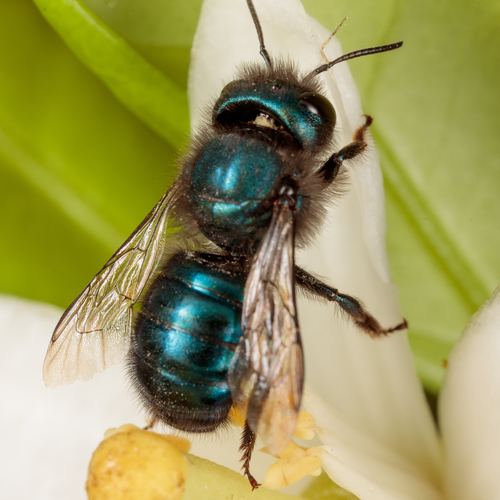
Osmia ribifloris Cockerell, 1900
Osmia ribifloris Cockerell, 1900
Osmia ribifloris, the blueberry bee, is a North American solitary megachilid bee used commercially to pollinate blueberries.
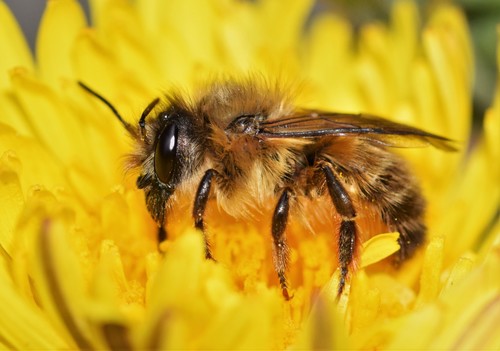
Osmia taurus Smith, 1873
Osmia taurus Smith, 1873
Osmia taurus is a Megachilidae bee species found in North America and Southern Asia.
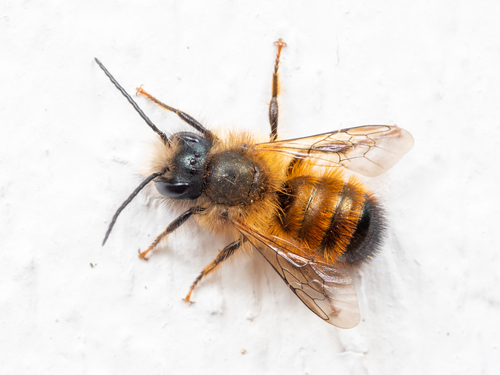
Osmia bicornis (Linnaeus, 1758)
Osmia bicornis (Linnaeus, 1758)
Osmia bicornis is a sexually dimorphic bee common in England, with a wide distribution and flexible nesting habits.
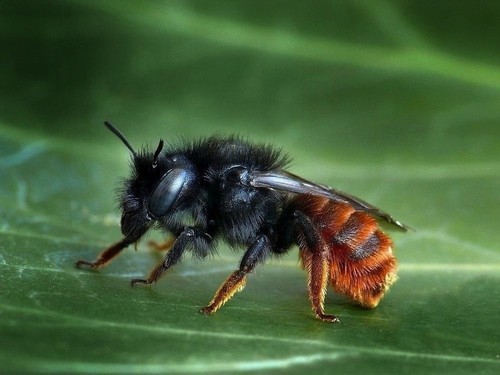
Osmia bicolor (Schrank, 1781)
Osmia bicolor (Schrank, 1781)
Osmia bicolor is a small bee species found across Europe and western Asia in specific calcareous soil habitats.
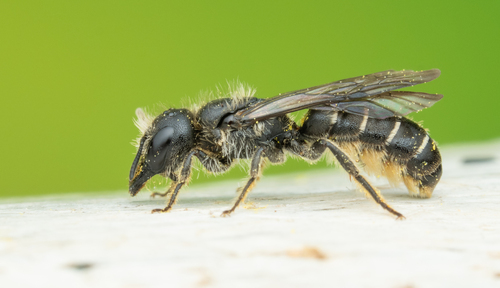
Chelostoma florisomne (Linnaeus, 1758)
Chelostoma florisomne (Linnaeus, 1758)
Chelostoma florisomne is a small bee found across most of Europe and North Africa that associates with Ranunculus buttercups.
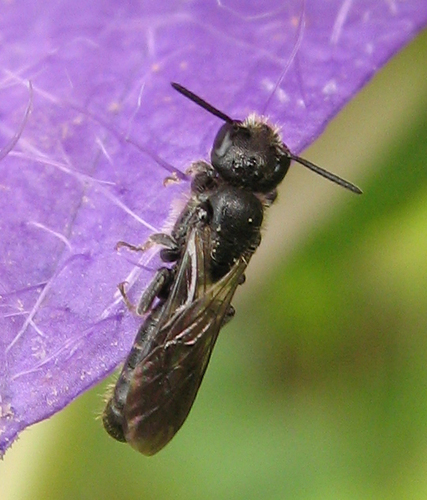
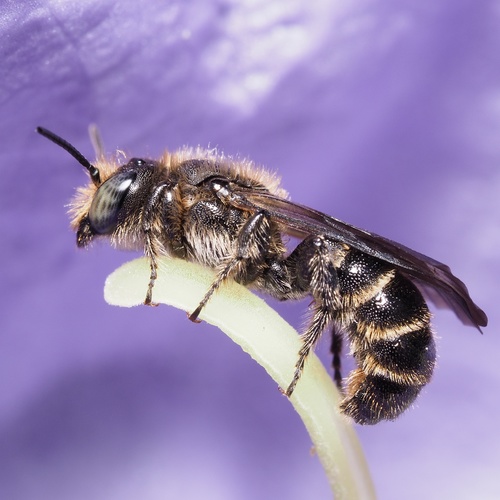
Chelostoma campanularum (Kirby, 1802)
Chelostoma campanularum (Kirby, 1802)
Chelostoma campanularum, the harebell carpenter bee, is a small black Megachilidae bee found across Europe, Northern Asia, and North America.
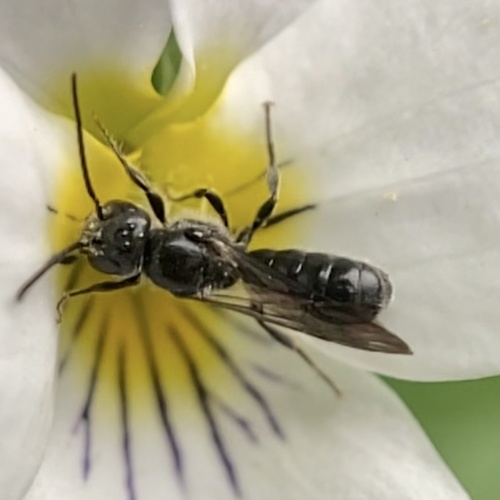
Chelostoma rapunculi (Lepeletier, 1841)
Chelostoma rapunculi (Lepeletier, 1841)
Chelostoma rapunculi is a Megachilidae bee species found in Europe, Northern Asia, and North America.
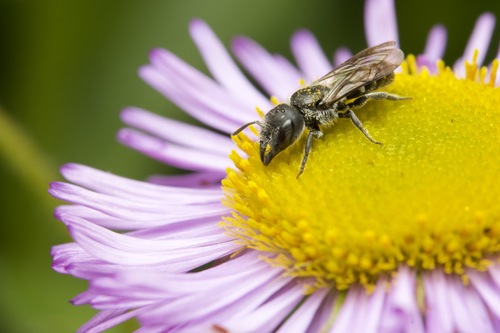
Chelostoma philadelphi (Robertson, 1891)
Chelostoma philadelphi (Robertson, 1891)
Chelostoma philadelphi is a North American hymenopteran species in the bee family Megachilidae.
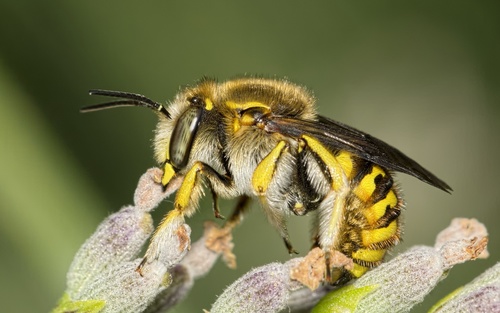
Protosmia rubifloris (Cockerell, 1898)
Protosmia rubifloris (Cockerell, 1898)
Protosmia rubifloris is a megachilid bee found in Central and North America.
Anthidium manicatum (Linnaeus, 1758)
Anthidium manicatum (Linnaeus, 1758)
Anthidium manicatum, the European wool carder bee, is a naturally Old World bee that has spread widely across the globe.
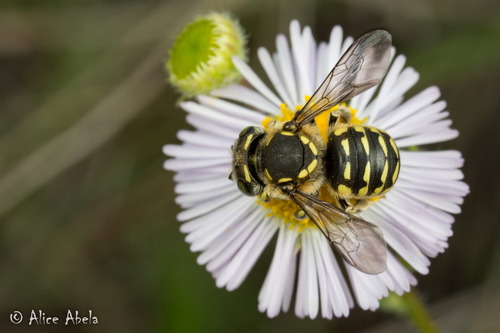
Anthidium maculifrons Smith, 1854
Anthidium maculifrons Smith, 1854
Anthidium maculifrons is a Megachilidae bee species found in the United States and Mexico.
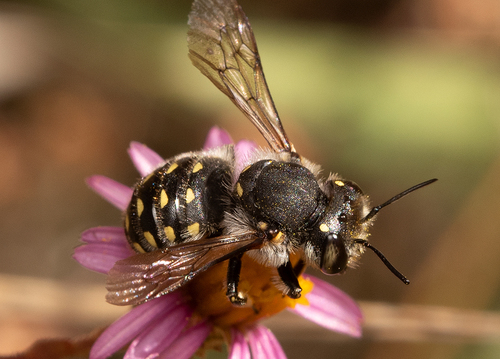
Anthidium maculosum Cresson, 1878
Anthidium maculosum Cresson, 1878
Anthidium maculosum is a megachilid bee found from the US Pacific Northwest south to Honduras, with size differences between territorial and non-territorial males.
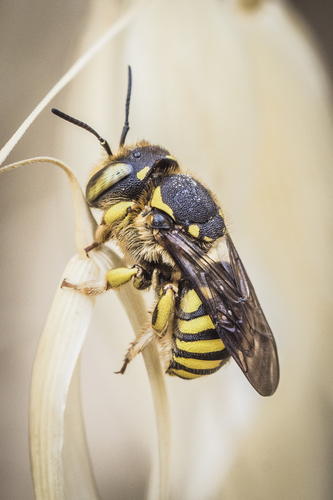
Anthidium florentinum (Fabricius, 1775)
Anthidium florentinum (Fabricius, 1775)
Anthidium florentinum is a medium to large solitary bee with distinct physical traits between sexes and unusual population sex ratios.
Related Families
Start Exploring Nature Today
Download iNature for free. 10 identifications on us. No account needed. No credit card required.
Download Free on App Store
