Formicidae
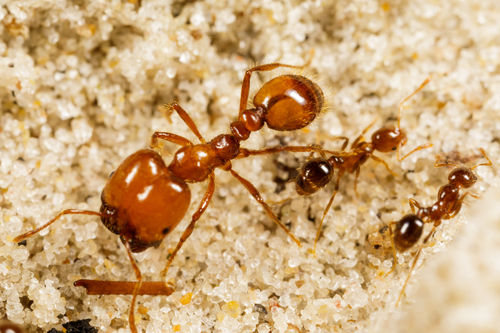
Solenopsis geminata (Fabricius, 1804)
Solenopsis geminata (Fabricius, 1804)
Solenopsis geminata, the tropical fire ant, is a widespread invasive fire ant species native to the tropical Americas.
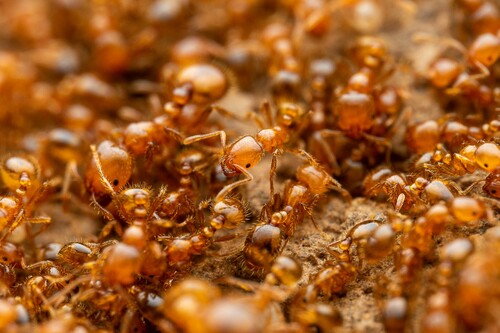
Solenopsis aurea Wheeler, 1906
Solenopsis aurea Wheeler, 1906
Solenopsis aurea (golden fire ant) is an ant native to southwestern US and northern Mexico with pale golden workers.
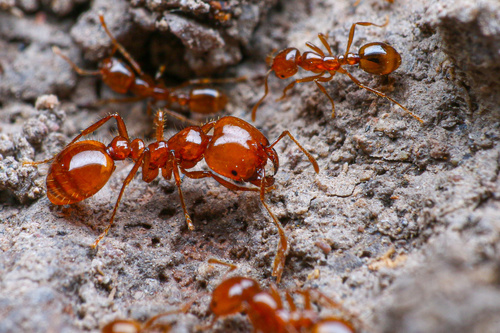
Solenopsis amblychila Wheeler, 1915
Solenopsis amblychila Wheeler, 1915
Solenopsis amblychila is a pale golden polymorphic fire ant native to the southwestern United States.
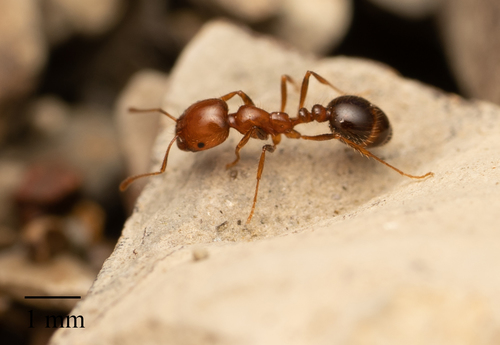
Solenopsis xyloni McCook, 1879
Solenopsis xyloni McCook, 1879
Solenopsis xyloni, the southern fire ant, is a stinging ant native to southern areas of the United States.
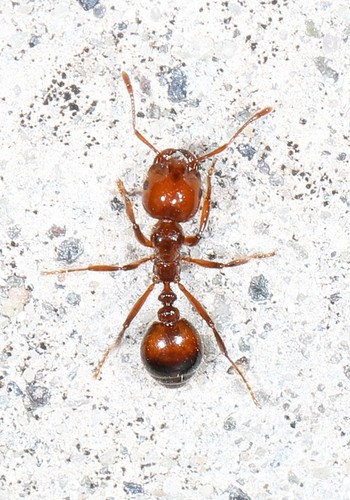
Solenopsis invicta Buren, 1972
Solenopsis invicta Buren, 1972
The red imported fire ant (Solenopsis invicta) is native to tropical central South America, has polymorphic workers, can form floating rafts in floods, has necrophoric behavior, and its colonies grow fast with a complex lifecycle and reproduction process.
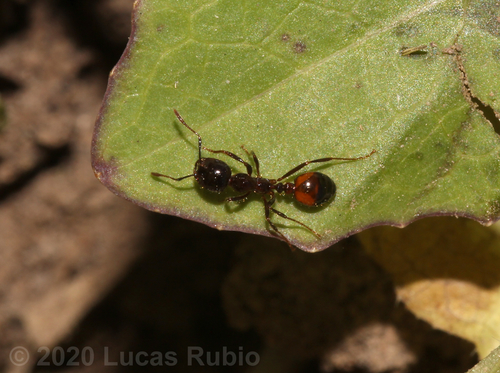
Solenopsis richteri Forel, 1909
Solenopsis richteri Forel, 1909
Solenopsis richteri, the black imported fire ant, is a distinct fire ant species native to South America and introduced to North America.
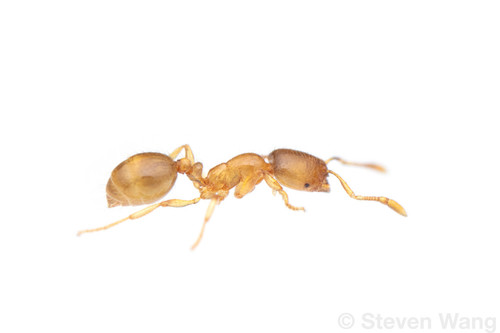
Solenopsis molesta (Say, 1836)
Solenopsis molesta (Say, 1836)
Solenopsis molesta, the thief or grease ant, is a widespread North American ant that steals food from other ant colonies.
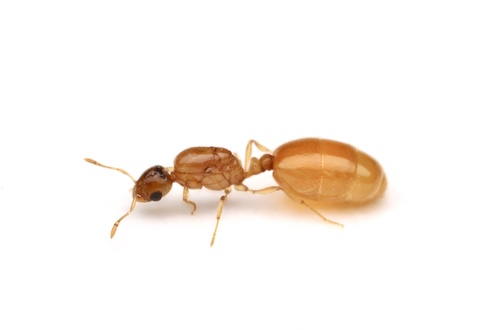
Solenopsis carolinensis Forel, 1901
Solenopsis carolinensis Forel, 1901
Solenopsis carolinensis, the thief ant, is an ant species in the Formicidae family described in 1901 by Forel.
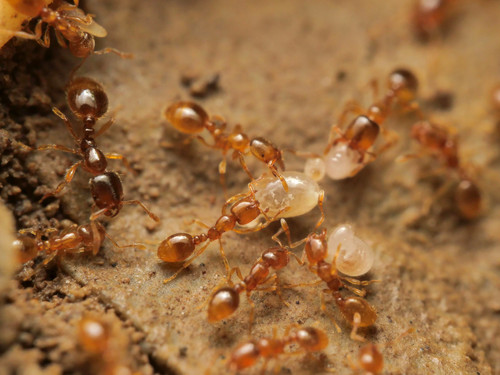
Solenopsis fugax (Latreille, 1798)
Solenopsis fugax (Latreille, 1798)
Solenopsis fugax is a rare European and Asian thief ant, the only native Solenopsis to the British Isles.
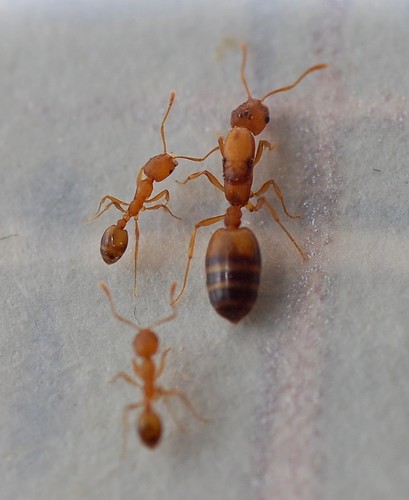
Monomorium pharaonis (Linnaeus, 1758)
Monomorium pharaonis (Linnaeus, 1758)
Monomorium pharaonis, the pharaoh ant, has distinct castes, a defined life cycle, and specific reproductive adaptations.
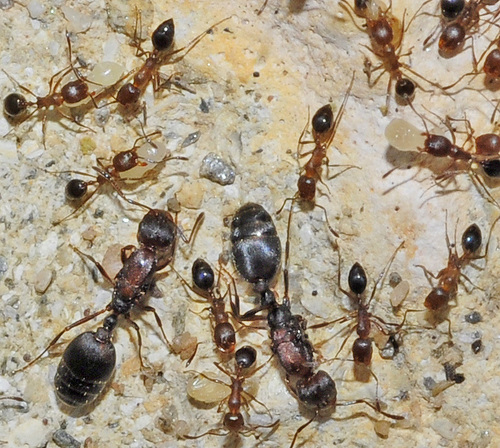
Monomorium subopacum (Smith, 1858)
Monomorium subopacum (Smith, 1858)
Monomorium subopacum is a Myrmicinae ant species found in many Asian countries.
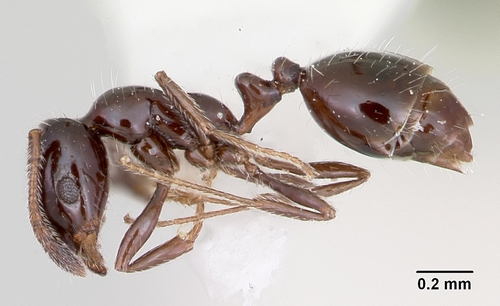
Monomorium ergatogyna Wheeler, 1904
Monomorium ergatogyna Wheeler, 1904
Monomorium ergatogyna is a shiny black monomorphic polygynous myrmicine ant native to parts of the western United States.
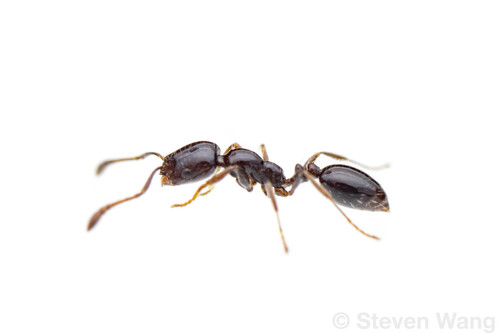
Monomorium minimum (Buckley, 1867)
Monomorium minimum (Buckley, 1867)
Monomorium carbonarium, the little black ant, is a shiny black polygynous scavenger ant native to North America and Europe.
Monomorium carbonarium (Smith, 1858)
Monomorium carbonarium (Smith, 1858)
Monomorium carbonarium, the North American little black ant, is a shiny black scavenger ant native to North America and Europe.
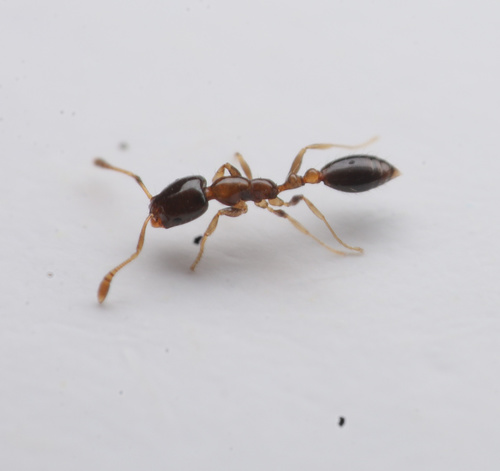
Monomorium floricola (Jerdon, 1851)
Monomorium floricola (Jerdon, 1851)
Monomorium floricola is a widespread invasive ant species of the subfamily Myrmicinae, found worldwide.
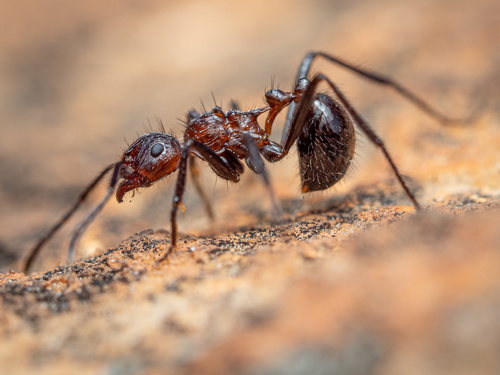
Myrmicaria natalensis (Smith, 1858)
Myrmicaria natalensis (Smith, 1858)
The Natal droptail ant, Myrmicaria natalensis, is a widespread Afrotropical ant species with distinctive body features.

Monomorium antarcticum (Smith, 1858)
Monomorium antarcticum (Smith, 1858)
Monomorium antarcticum is a variable-sized ant endemic to New Zealand that occupies a wide range of habitats.
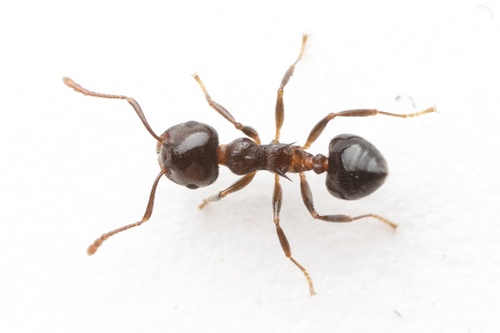
Crematogaster pilosa Emery, 1895
Crematogaster pilosa Emery, 1895
Crematogaster pilosa is a polydomous Myrmicinae ant native to parts of the southern United States.
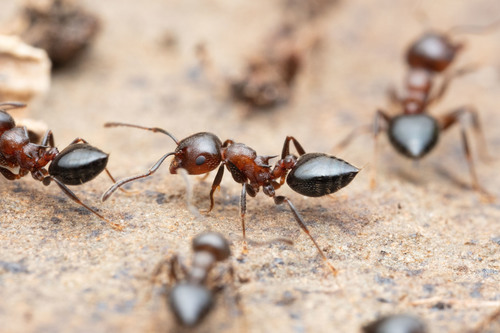
Crematogaster cerasi Fitch, 1855
Crematogaster cerasi Fitch, 1855
Crematogaster cerasi Fitch, 1855 is an ant species identifiable by distinct hair counts, thoracic ridges, and unicolored bodies.
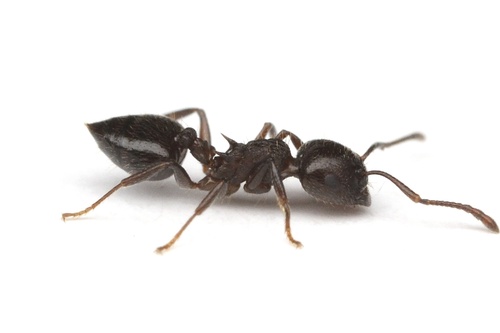
Crematogaster lineolata (Say, 1836)
Crematogaster lineolata (Say, 1836)
Crematogaster lineolata (Say, 1836) is an ant species classified in the family Formicidae.
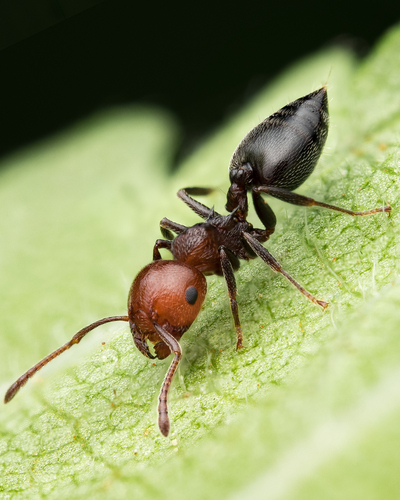
Crematogaster scutellaris (Olivier, 1792)
Crematogaster scutellaris (Olivier, 1792)
Crematogaster scutellaris is a Mediterranean ant that preys on pine pest moths and often stores aphids in oak galls.
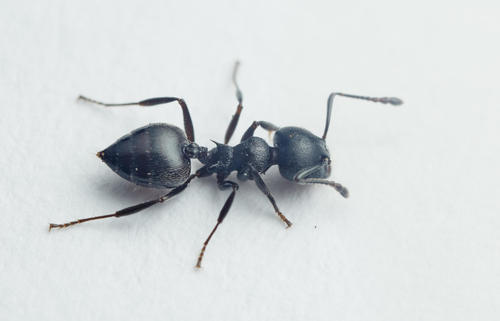
Crematogaster peringueyi Emery, 1895
Crematogaster peringueyi Emery, 1895
Crematogaster peringueyi is a southern African arboreal ant commonly known as the black cocktail ant.
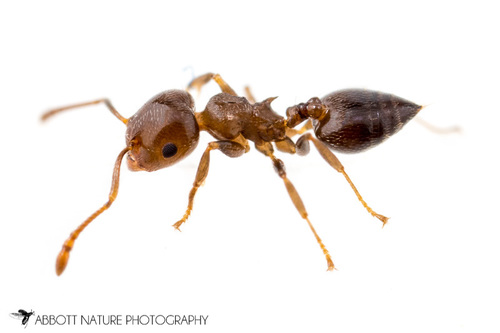
Crematogaster ashmeadi Mayr, 1886
Crematogaster ashmeadi Mayr, 1886
Crematogaster ashmeadi, the acrobat ant, is a dominant arboreal native ant widespread in the southeastern US.
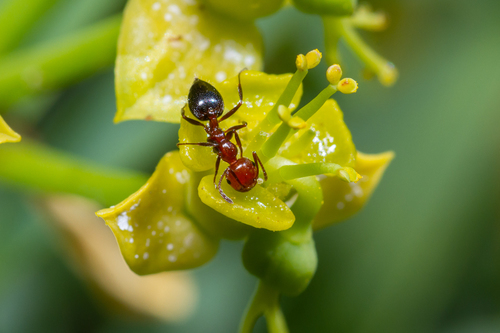
Crematogaster alluaudi Emery, 1893
Crematogaster alluaudi Emery, 1893
Crematogaster alluaudi is an ant species in the tribe Crematogastrini, described by Emery in 1893.
Related Families
Start Exploring Nature Today
Download iNature for free. 10 identifications on us. No account needed. No credit card required.
Download Free on App Store
