Erebidae
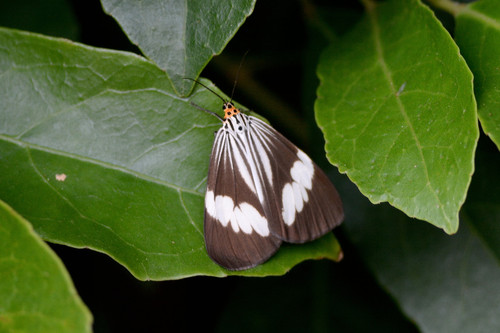
Nyctemera tripunctaria (Linnaeus, 1758)
Nyctemera tripunctaria (Linnaeus, 1758)
Nyctemera tripunctaria is a day-flying erebid moth first described by Linnaeus in 1758, found across parts of East and Southeast Asia.
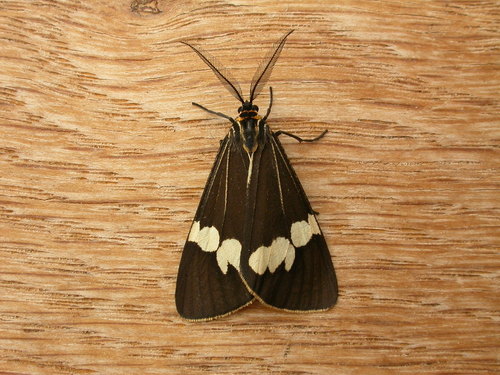
Nyctemera amicus White, 1841
Nyctemera amicus White, 1841
Nyctemera amicus is an Erebidae moth found across parts of Asia-Oceania whose larvae gain toxicity from host Senecio plants.
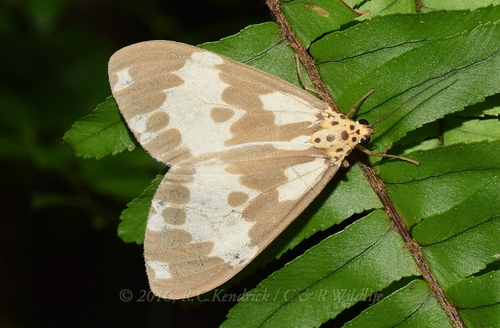
Nyctemera carissima formosana (Swinhoe, 1908)
Nyctemera carissima formosana (Swinhoe, 1908)
Nyctemera carissima is an Erebidae moth described by Swinhoe in 1891, found across multiple regions of South and East Asia.
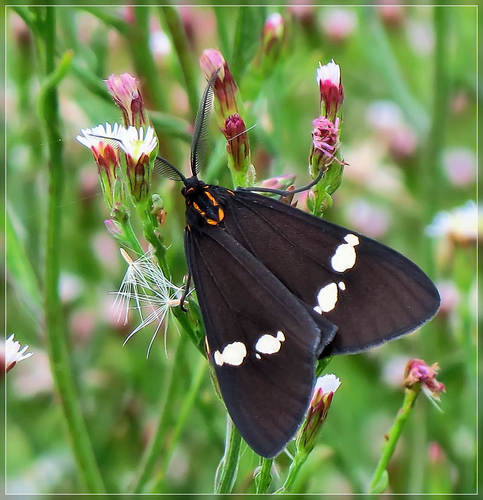
Nyctemera annulatum Boisduval, 1832
Nyctemera annulatum Boisduval, 1832
Nyctemera annulatum, the New Zealand magpie moth, is a diurnal moth with distinct coloration that has traditional cultural uses for Māori.
Nyctemera carissima Swinhoe, 1891
Nyctemera carissima Swinhoe, 1891
Nyctemera carissima is an Erebidae moth described by Swinhoe in 1891, found across parts of East and Southeast Asia.
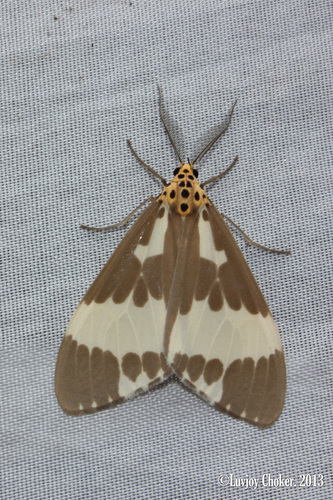
Nyctemera arctata Walker, 1856
Nyctemera arctata Walker, 1856
Nyctemera arctata is an 1856-described Erebidae moth found across multiple South, East, and Southeast Asian regions.
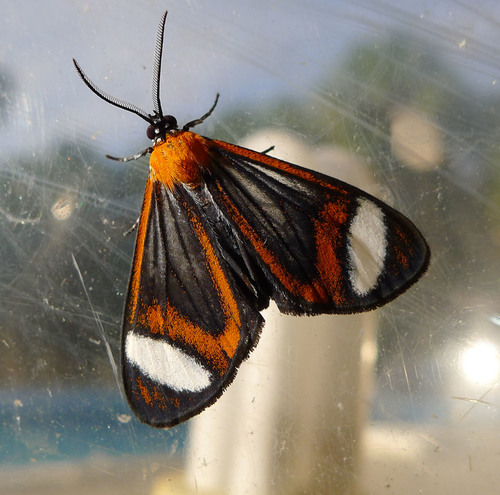
Hyalurga vinosa Drury, 1773
Hyalurga vinosa Drury, 1773
Hyalurga vinosa is an Erebidae moth, described 1773, found in parts of the Caribbean, with larvae feeding on Heliotropium indicum.
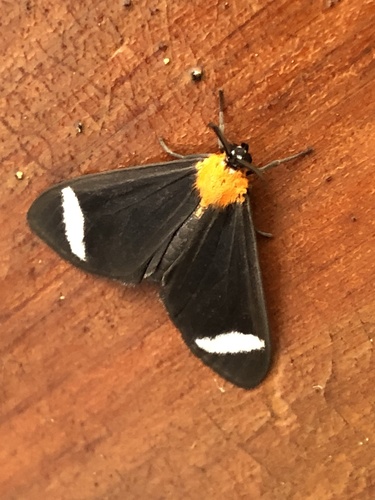
Hyalurga chthonophyle Druce, 1885
Hyalurga chthonophyle Druce, 1885
Hyalurga chthonophyle is an Erebidae moth described in 1885 that is found in Mexico.
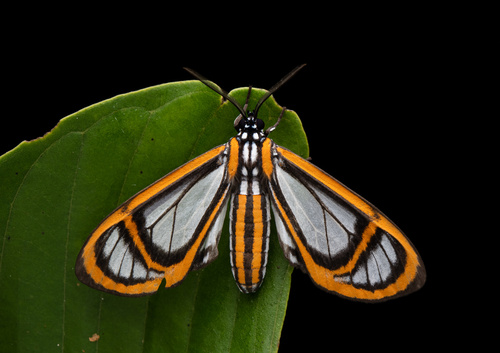
Hyalurga fenestra Linnaeus, 1758
Hyalurga fenestra Linnaeus, 1758
Hyalurga fenestra is an Erebidae moth described by Linnaeus in 1758, found across parts of Central and South America and the Antilles.
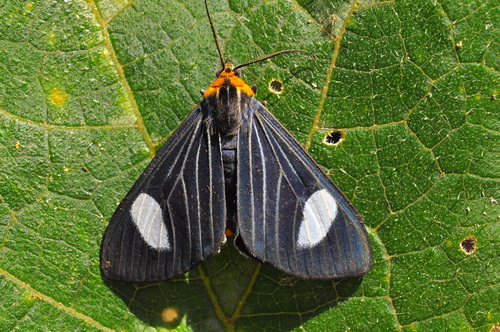
Calodesma collaris Drury, 1782
Calodesma collaris Drury, 1782
Calodesma collaris is an Erebidae moth described in 1782, found across several countries in South America.

Chetone angulosa Walker, 1854
Chetone angulosa Walker, 1854
Chetone angulosa is an Erebidae moth described in 1854, found in Central and northern South America.
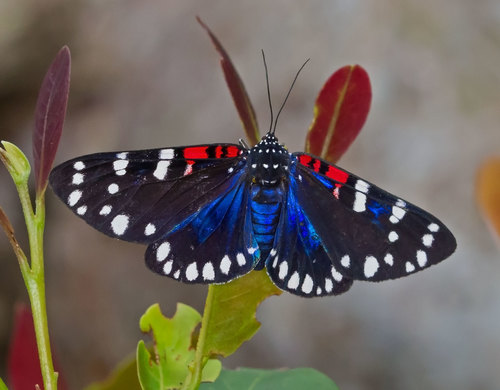
Composia fidelissima Herrich-Schäffer, 1866
Composia fidelissima Herrich-Schäffer, 1866
Composia fidelissima, the Uncle Sam moth, is an Erebidae moth found in southern Florida and the West Indies.
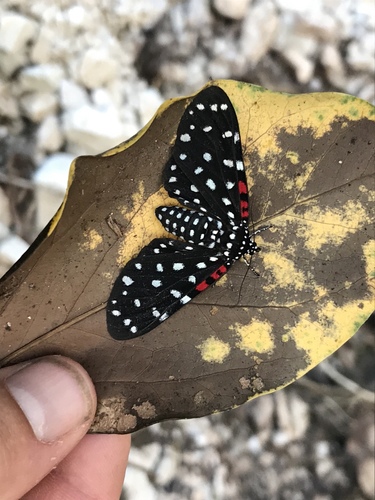
Composia credula Fabricius, 1775
Composia credula Fabricius, 1775
Composia credula is an Erebidae moth described in 1775, found across the Antilles, South America, and possibly Central America.
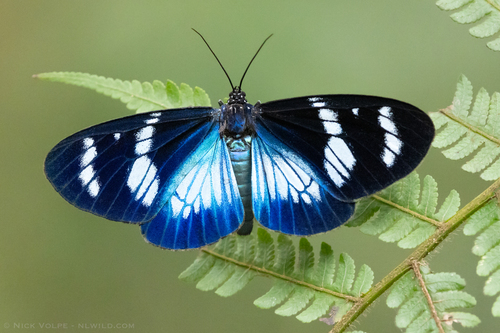
Hypocrita plagifera C.Felder & R.Felder, 1862
Hypocrita plagifera C.Felder & R.Felder, 1862
Hypocrita plagifera is an Erebidae moth described in 1862, found in Brazil.
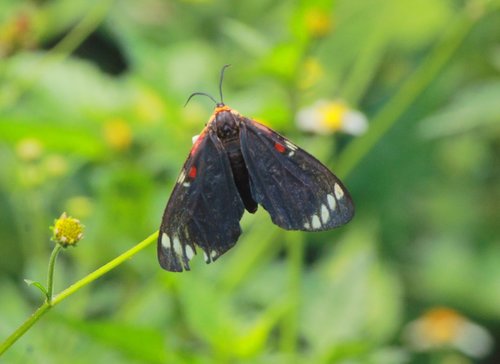
Phaloesia saucia Walker, 1854
Phaloesia saucia Walker, 1854
Phaloesia saucia, the saucy beauty moth, is the only species in the monotypic tiger moth genus Phaloesia, found from southern US to Venezuela.
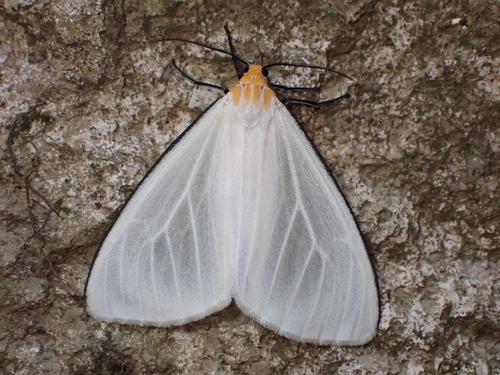
Xenosoma flaviceps Walker, 1865
Xenosoma flaviceps Walker, 1865
Xenosoma flaviceps is an Arctiinae moth described in 1865, found in Mexico, Central America, and once collected in southern Texas.
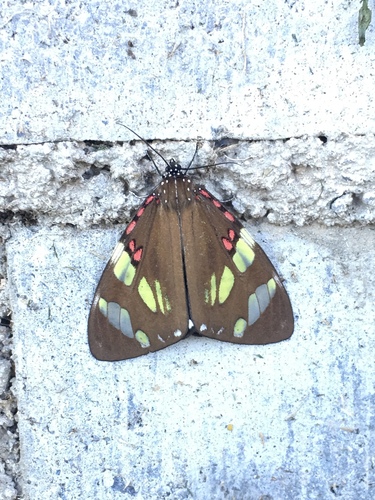
Phaloe cruenta Hübner, 1823
Phaloe cruenta Hübner, 1823
Phaloe cruenta is an Arctiinae moth found in South America whose larvae feed on several plant species.
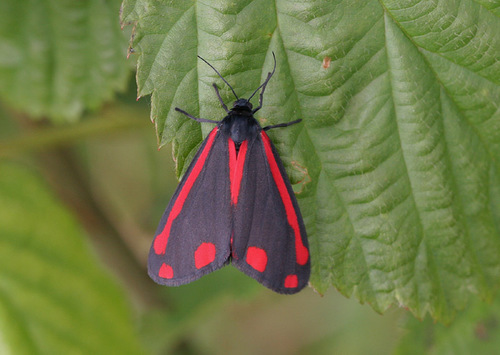
Tyria jacobaeae Linnaeus, 1758
Tyria jacobaeae Linnaeus, 1758
Tyria jacobaeae, the cinnabar moth, is a day-flying Arctiinae moth introduced globally for ragwort biocontrol.
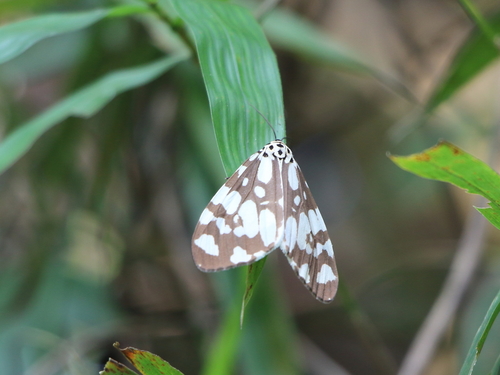
Utetheisa inconstans (Butler, 1880)
Utetheisa inconstans (Butler, 1880)
Utetheisa inconstans is an Erebidae moth described in 1880, found in southern Japan and Taiwan.
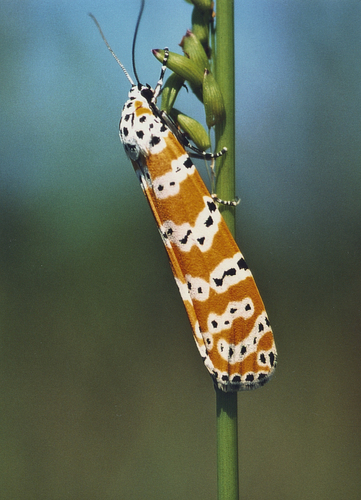
Utetheisa ornatrix Linnaeus, 1758
Utetheisa ornatrix Linnaeus, 1758
Utetheisa ornatrix, the bella moth, is a diurnal aposematic arctiine moth of the Americas, commonly studied for sexual selection.
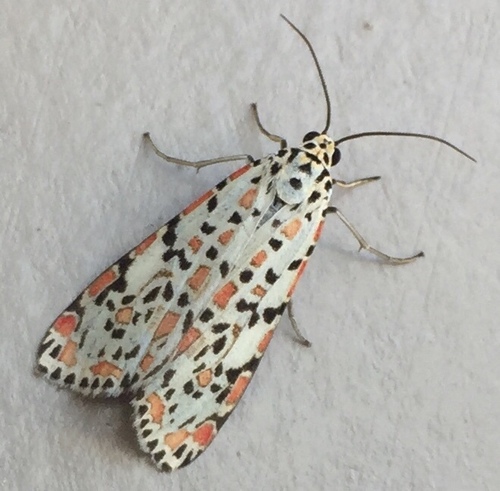
Utetheisa pulchelloides Hampson, 1907
Utetheisa pulchelloides Hampson, 1907
Utetheisa pulchelloides is a moth species with described physical traits and larvae that feed on specific plants.
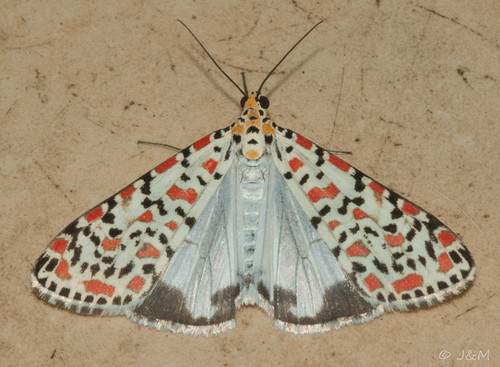
Utetheisa pulchella Linnaeus, 1758
Utetheisa pulchella Linnaeus, 1758
Utetheisa pulchella is a widespread moth found across much of Africa, Europe, and Asia with distinct patterned wings.
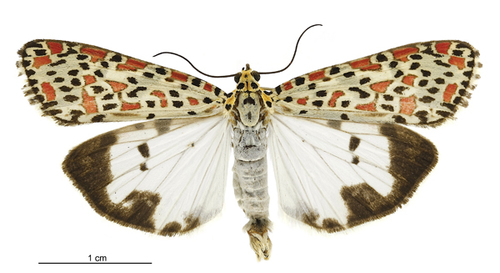
Utetheisa lotrix (Cramer, 1777)
Utetheisa lotrix (Cramer, 1777)
Utetheisa lotrix is an Erebidae moth found in most Old World tropics, whose larvae feed on Crotalaria species.
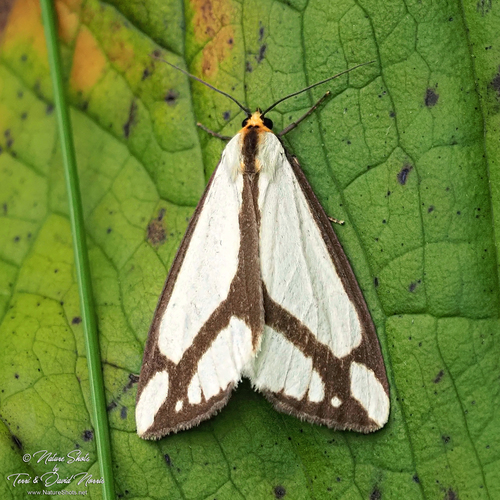
Haploa lecontei Guérin-Méneville, 1844
Haploa lecontei Guérin-Méneville, 1844
Leconte's haploa (Haploa lecontei) is an erebid moth found across much of North America.
Related Families
Start Exploring Nature Today
Download iNature for free. 10 identifications on us. No account needed. No credit card required.
Download Free on App Store
