Erebidae
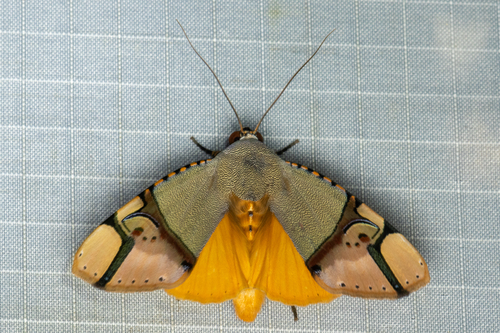
Ramadasa pavo (Walker, 1856)
Ramadasa pavo (Walker, 1856)
Ramadasa pavo is a moth species with distinct orange abdomens and patterned, differently sized wings in males and females.
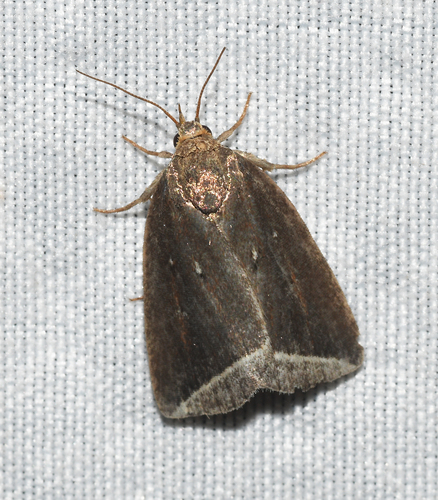
Capis curvata Grote, 1882
Capis curvata Grote, 1882
Capis curvata, curved halter moth, is a Noctuidae owlet moth found in North America with the Hodges number 9059.
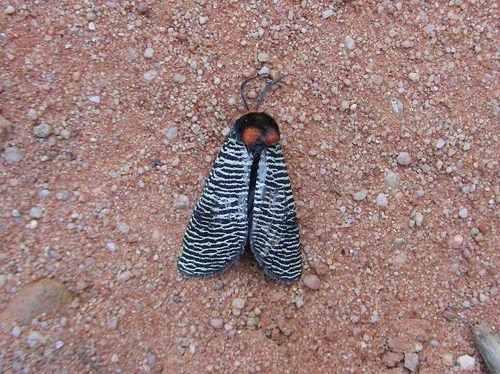
Graphelysia strigillata Rothschild, 1910
Graphelysia strigillata Rothschild, 1910
Graphelysia strigillata is the only species in the Noctuidae moth genus Graphelysia, found in southeastern Peru.
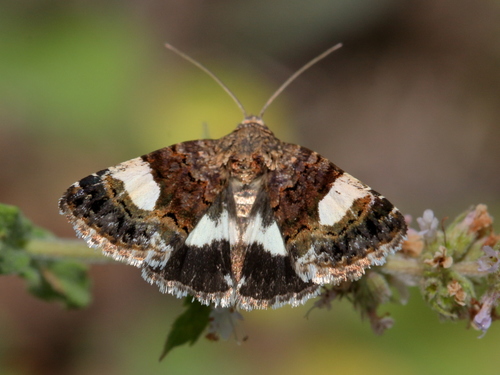
Tyta luctuosa (Denis & Schiffermüller), 1775
Tyta luctuosa (Denis & Schiffermüller), 1775
This is a technical description and variation of the moth species Tyta luctuosa, covering wing patterns and larval features.
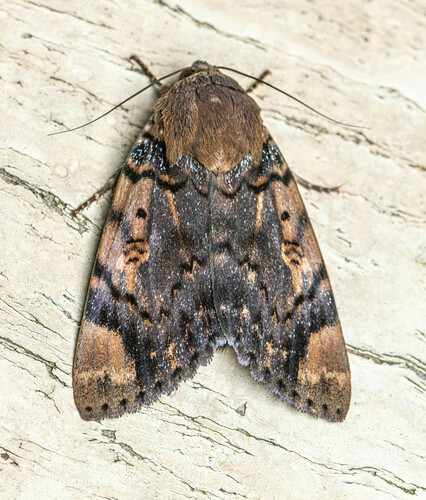
Arcte coerula (Guenée, 1852)
Arcte coerula (Guenée, 1852)
Arcte coerula is a moth species with distinct wing and larval markings, whose larvae feed on various Urticaceae plants including Hawaiian natives.
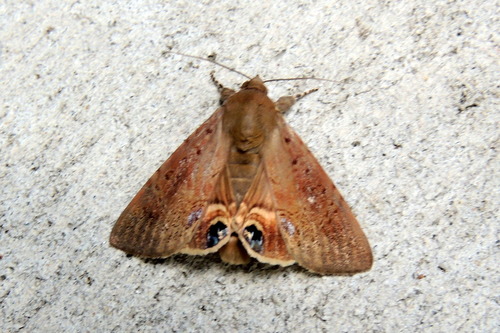
Litoprosopus futilis Grote & Robinson, 1868
Litoprosopus futilis Grote & Robinson, 1868
Litoprosopus futilis, the palmetto borer moth, is an owlet moth species found in North America.
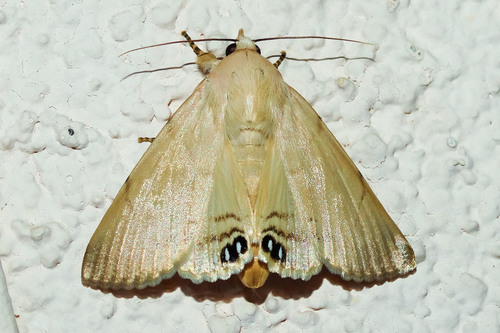
Litoprosopus coachella Hill, 1921
Litoprosopus coachella Hill, 1921
Litoprosopus coachella, the palm flower moth, is an owlet moth species found in North America.

Cyclodes omma (van der Hoeven, 1840)
Cyclodes omma (van der Hoeven, 1840)
Cyclodes omma is a moth with 60–72 mm wingspan, whose larvae bore into palm nuts, including coconut.
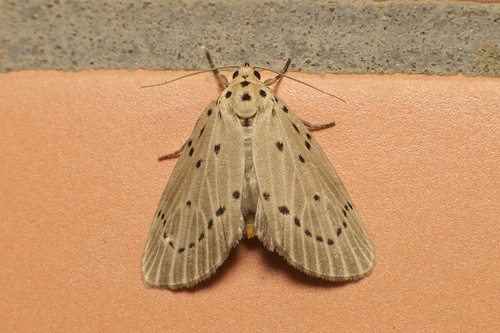
Baroa vatala Swinhoe, 1894
Baroa vatala Swinhoe, 1894
Baroa vatala is an Arctiinae moth described by Swinhoe in 1894, found in South and East Asia.
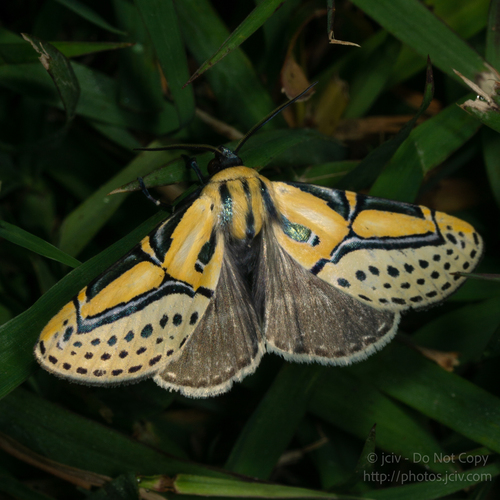
Diphthera festiva Fabricius, 1775
Diphthera festiva Fabricius, 1775
Diphthera festiva, the hieroglyphic moth, is a nolidae moth with distinct markings and described life stages.
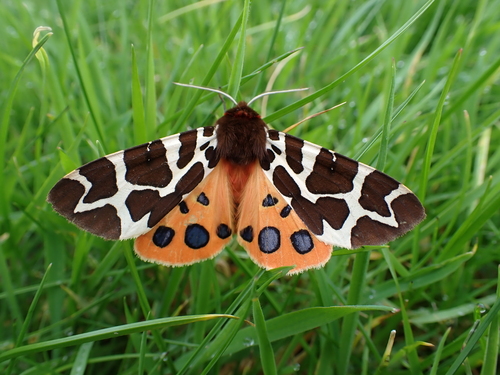
Arctia caja (Linnaeus, 1758)
Arctia caja (Linnaeus, 1758)
Arctia caja, the garden tiger moth, is a cool-climate moth with patterned wings found across the Palearctic and North America.
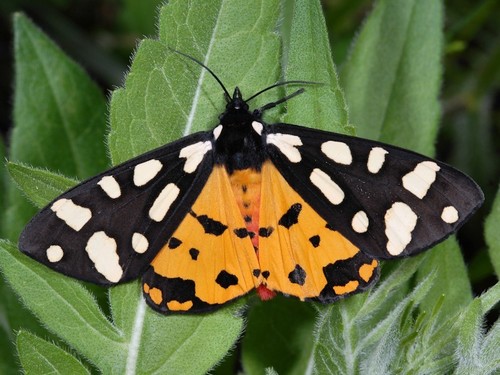
Epicallia villica Linnaeus, 1758
Epicallia villica Linnaeus, 1758
Epicallia villica is a moth species with distinct colorful wings, black hair tufted caterpillars, found in multiple open and wooded habitats.
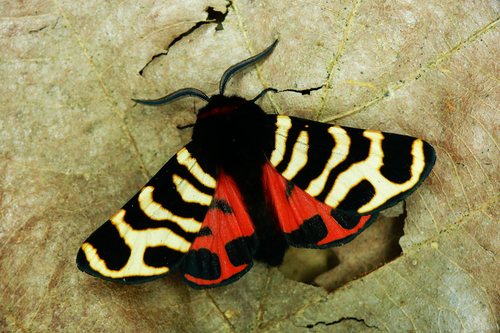
Eucharia festiva (Hufnagel, 1766)
Eucharia festiva (Hufnagel, 1766)
The hebe tiger moth is an erebid moth found across much of Eurasia, with polymorphic adults and caterpillars that feed on many plants.
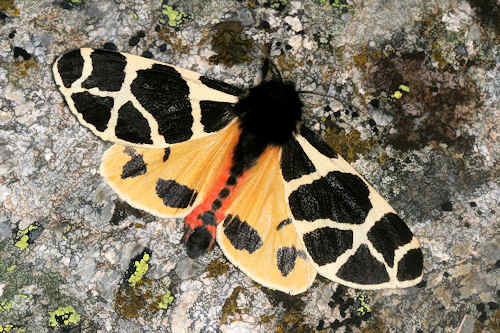
Arctia flavia Füssly, 1779
Arctia flavia Füssly, 1779
The yellow tiger moth, Arctia flavia, is an Erebidae moth found across parts of Eurasia, with a 50–70 mm wingspan.
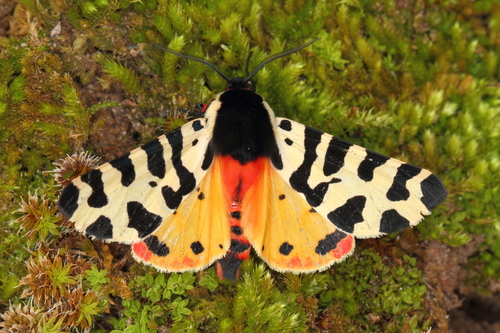
Arctia tigrina Villers, 1789
Arctia tigrina Villers, 1789
Arctia tigrina is a Erebidae moth found in southwestern Europe, whose larvae feed on various plant genera.
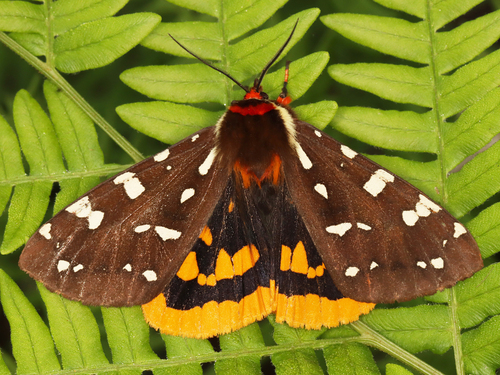
Arctia parthenos Harris, 1850
Arctia parthenos Harris, 1850
Arctia parthenos (St. Lawrence tiger moth) is a boreal North American moth in the Erebidae family, found from Alaska to the southern Appalachians and Rockies.
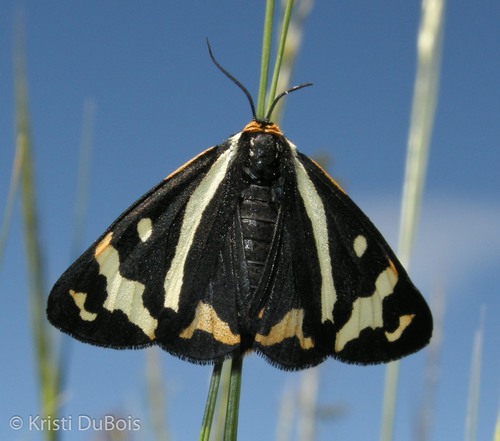
Parasemia plantaginis (Linnaeus, 1758)
Parasemia plantaginis (Linnaeus, 1758)
Parasemia plantaginis, the variable wood tiger moth, is most common in northern North America and Eurasia, with polyphagous larvae that gain defensive chemicals from host plants.
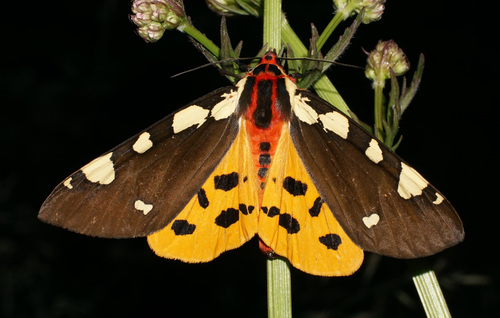
Pericallia matronula (Linnaeus, 1758)
Pericallia matronula (Linnaeus, 1758)
Pericallia matronula is a tiger moth species found across parts of Eurasia, whose larvae feed on various trees and shrubs.
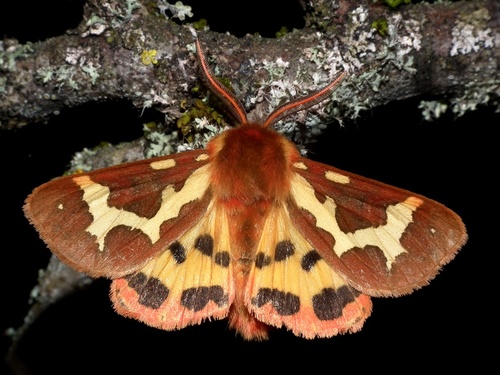
Arctia dejeani
Arctia dejeani
Arctia dejeani is an Erebidae moth found on the Iberian Peninsula, with 41–42 mm wingspan, that was reclassified to Arctia in 2016.
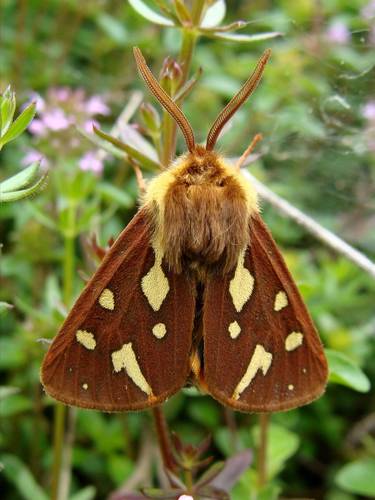
Arctia testudinaria (Geoffroy, 1785)
Arctia testudinaria (Geoffroy, 1785)
Arctia testudinaria (Patton's tiger) is a Erebidae moth found in parts of Europe, with a 35–45 mm wingspan.
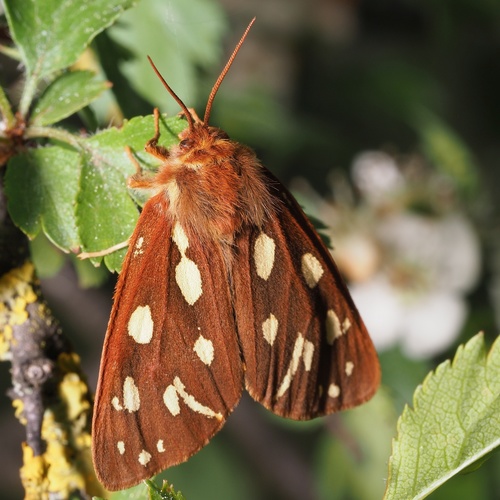
Hyphoraia aulica (Linnaeus, 1758)
Hyphoraia aulica (Linnaeus, 1758)
The brown tiger moth Arctia aulica is an Erebidae moth reclassified from Hyphoraia after 2016 phylogenetic research.
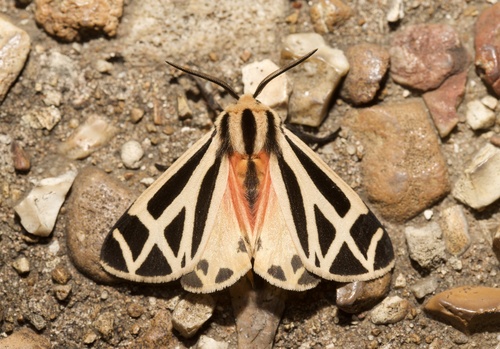
Apantesis phalerata Harris, 1841
Apantesis phalerata Harris, 1841
Apantesis phalerata, the harnessed tiger moth, is a North American arctiine moth with defensive clicking and aposematic coloration.

Apantesis carlotta Ferguson, 1985
Apantesis carlotta Ferguson, 1985
Apantesis carlotta, Carlotta's tiger moth, is an Erebidae moth found in the United States with a 30 mm wingspan.
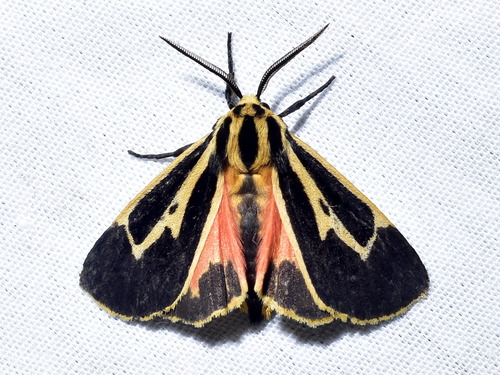
Apantesis vittata Fabricius, 1787
Apantesis vittata Fabricius, 1787
Apantesis vittata, the banded tiger moth, is an Erebidae moth found in the southeastern US, with larvae feeding on various herbs.
Related Families
Start Exploring Nature Today
Download iNature for free. 10 identifications on us. No account needed. No credit card required.
Download Free on App Store
