Apidae
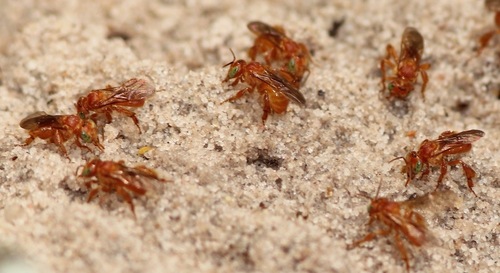
Trigona pallens (Fabricius, 1798)
Trigona pallens (Fabricius, 1798)
Trigona pallens is a eusocial stingless bee species from Brazil, that uses Solanum stramoniifolium as a host plant.
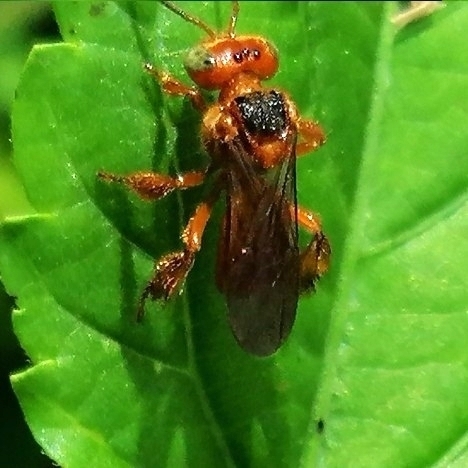
Trigona chanchamayoensis Schwarz, 1948
Trigona chanchamayoensis Schwarz, 1948
Trigona chanchamayoensis is a species of eusocial stingless bee in the family Apidae, tribe Meliponini.
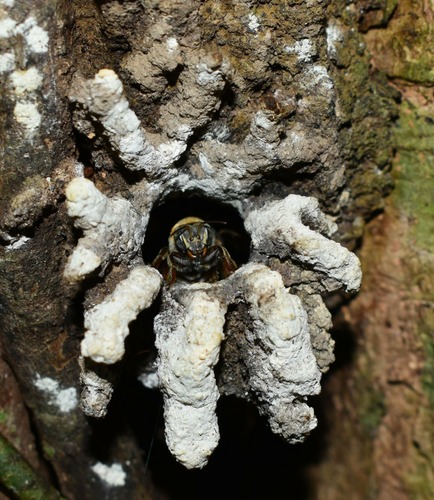
Melipona beecheii Bennett, 1831
Melipona beecheii Bennett, 1831
Melipona beecheii is a tropical eusocial Central American stingless bee with notable caste development conflict.
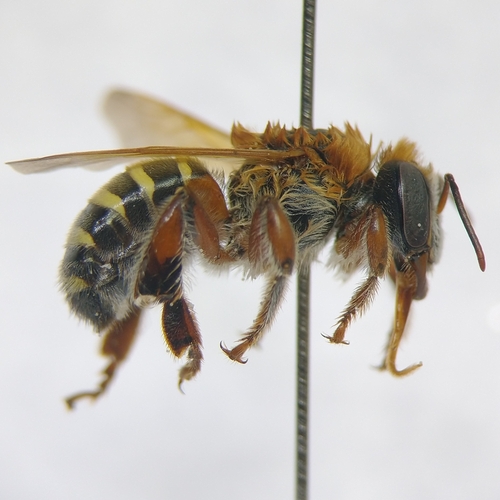
Melipona quinquefasciata Lepeletier, 1836
Melipona quinquefasciata Lepeletier, 1836
Melipona quinquefasciata is a species of eusocial stingless bee native to Brazil with common Portuguese names meaning ground mandaçaia bee.
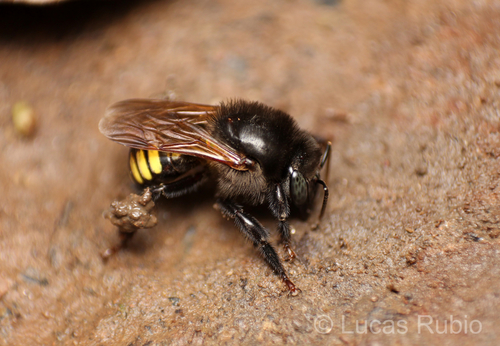
Melipona quadrifasciata Lepeletier, 1836
Melipona quadrifasciata Lepeletier, 1836
Melipona quadrifasciata is a common stingless bee species found in coastal southeastern Brazil, with characteristic yellow abdominal stripes.
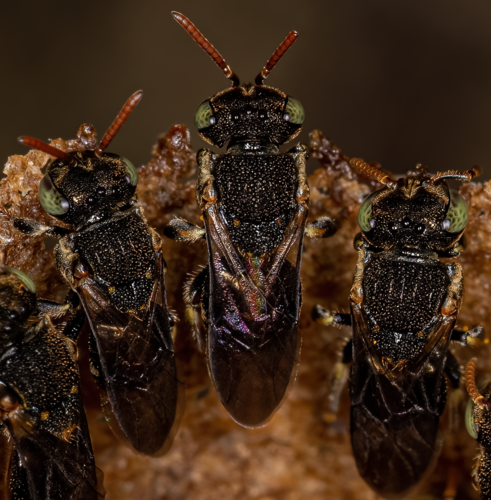
Nannotrigona testaceicornis (Lepeletier, 1836)
Nannotrigona testaceicornis (Lepeletier, 1836)
Nannotrigona testaceicornis is a small neotropical stingless bee primarily distributed across Brazil.
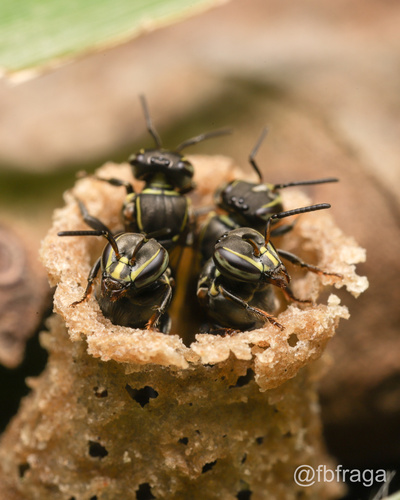
Paratrigona subnuda Moure, 1947
Paratrigona subnuda Moure, 1947
Paratrigona subnuda is a small stingless bee from South America, with distinct queen-worker size dimorphism and single-mating colony reproduction.

Partamona helleri (Friese, 1900)
Partamona helleri (Friese, 1900)
Partamona helleri (Heller's stingless bee) is an aggressive stingless bee species found across multiple regions of Brazil.
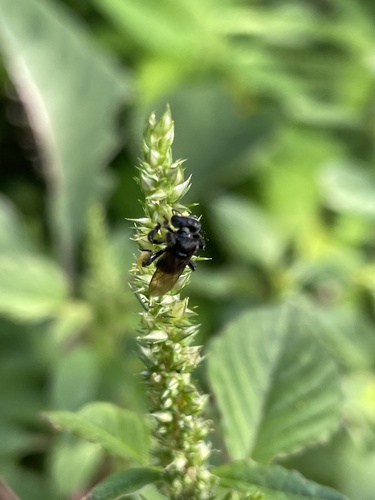
Scaptotrigona mexicana (Guérin-Méneville, 1844)
Scaptotrigona mexicana (Guérin-Méneville, 1844)
Scaptotrigona mexicana is a stingless bee from Central America and Southeastern Mexico that lives in annual reproductive colonies.
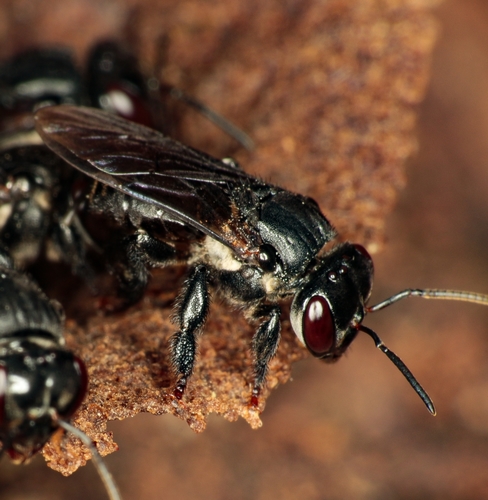
Scaptotrigona bipunctata (Lepeletier, 1836)
Scaptotrigona bipunctata (Lepeletier, 1836)
Scaptotrigona bipunctata, known as tubuna in Brazil, is a species of eusocial stingless bee in the Apidae family.
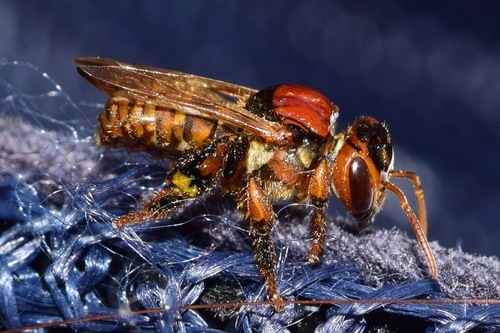
Scaptotrigona hellwegeri (Friese, 1900)
Scaptotrigona hellwegeri (Friese, 1900)
Scaptotrigona hellwegeri is a stingless bee endemic to Mexico, used in meliponiculture for its honey and wax.
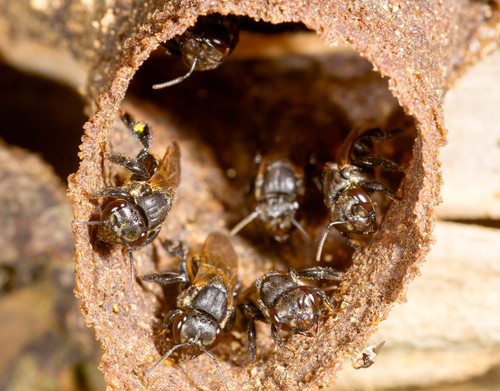
Scaptotrigona postica (Latreille, 1807)
Scaptotrigona postica (Latreille, 1807)
Scaptotrigona postica, or mandaguari, is a stingless eusocial bee native mainly to Brazil that acts as an important tropical pollinator.
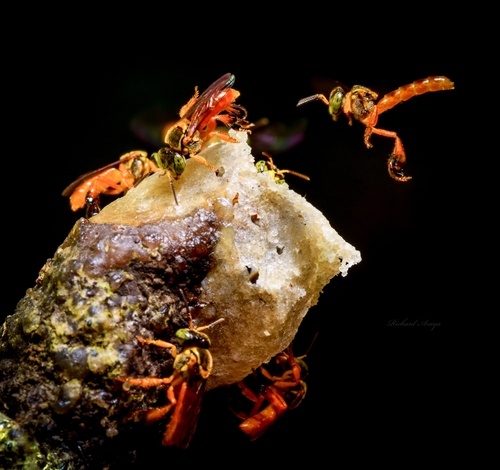
Tetragonisca angustula (Latreille, 1811)
Tetragonisca angustula (Latreille, 1811)
Tetragonisca angustula is a small widespread neotropical stingless bee with distinct caste and subspecies variation.
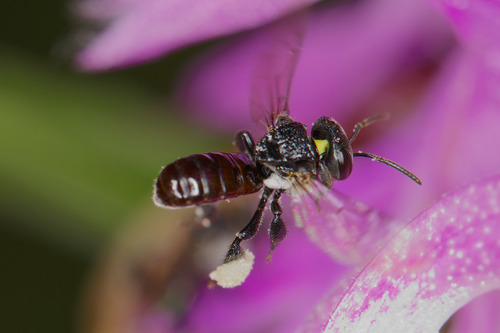
Tetragonula carbonaria (Smith, 1854)
Tetragonula carbonaria (Smith, 1854)
Tetragonula carbonaria, the sugarbag bee, is an Australian endemic stingless bee with a highly developed social structure.
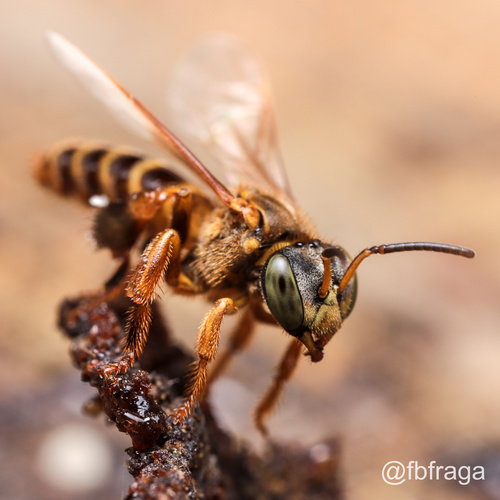
Tetragona clavipes (Fabricius, 1804)
Tetragona clavipes (Fabricius, 1804)
Tetragona clavipes is a eusocial stingless bee found in Roraima, Brazil, where it is called borá or vorá.
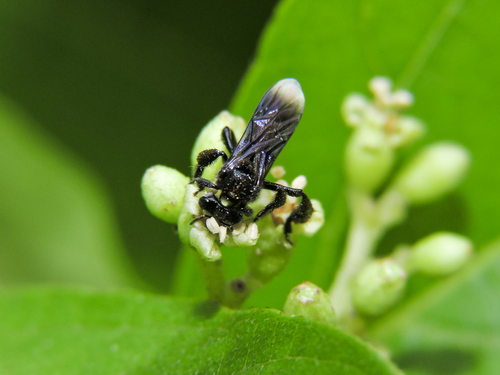
Frieseomelitta nigra (Cresson, 1879)
Frieseomelitta nigra (Cresson, 1879)
Frieseomelitta nigra is a stingless Neotropical bee kept in meliponiculture, with nutritionally and antioxidant-rich honey.
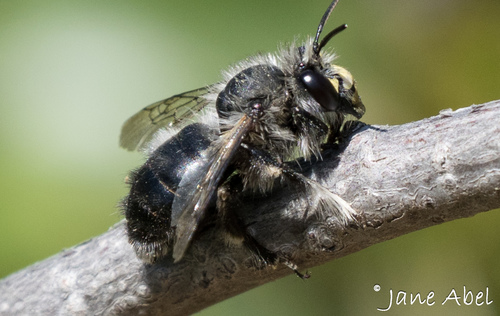
Anthophora pacifica Cresson, 1879
Anthophora pacifica Cresson, 1879
Anthophora pacifica is an anthophorine bee species in Apidae that is found in North America.
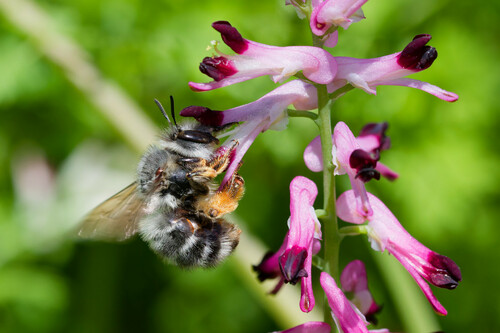
Anthophora dispar Lepeletier, 1841
Anthophora dispar Lepeletier, 1841
Anthophora dispar is a sexually dimorphic long-tongued bee found in parts of Europe and North Africa.
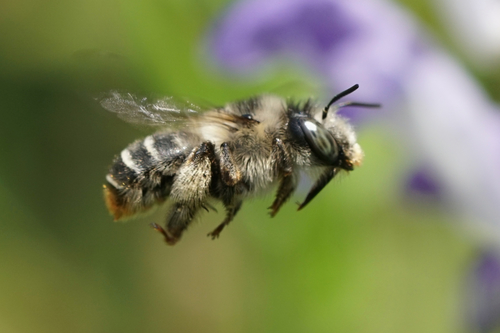
Anthophora terminalis Cresson, 1869
Anthophora terminalis Cresson, 1869
Anthophora terminalis is an anthophorine bee species in the Apidae family found in North America.
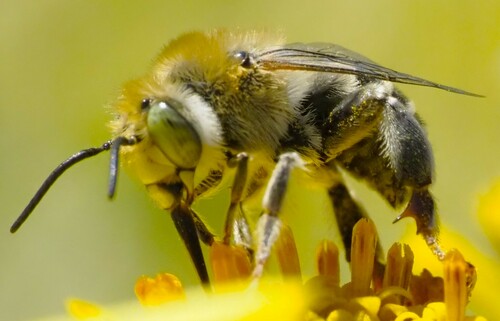
Anthophora californica Cresson, 1869
Anthophora californica Cresson, 1869
Anthophora californica is an anthophorine bee in Apidae found in Central and North America.
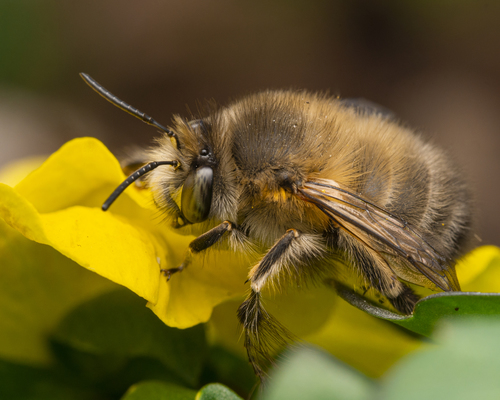
Anthophora plumipes (Pallas, 1772)
Anthophora plumipes (Pallas, 1772)
Anthophora plumipes is a sexually dimorphic hairy bee species with a wide Eurasian range and introduced populations in the US.
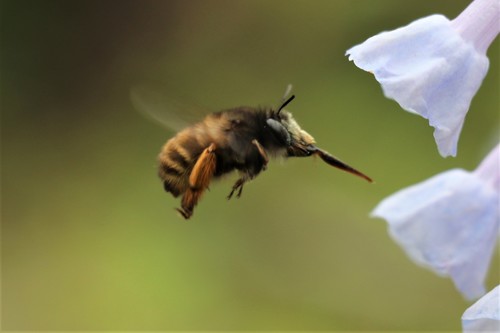
Anthophora villosula Smith, 1854
Anthophora villosula Smith, 1854
Asian Shaggy Digger Bee (Anthophora villosula) is an Apidae bee native to Asia, now established in introduced Maryland.
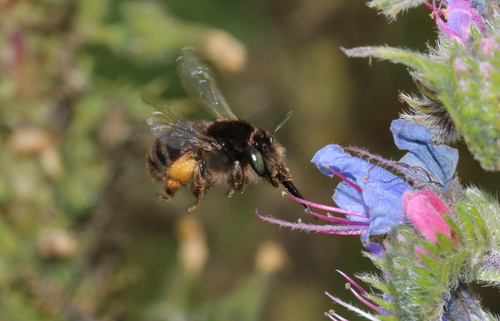
Anthophora retusa (Linnaeus, 1758)
Anthophora retusa (Linnaeus, 1758)
Anthophora retusa is a bee species identifiable by yellow hind-tibial spurs, found across parts of Western Europe in sandy habitats.
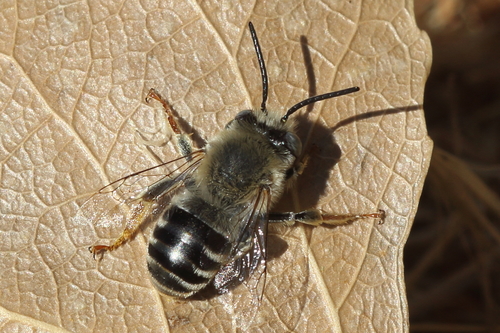
Anthophora urbana Cresson, 1879
Anthophora urbana Cresson, 1879
Anthophora urbana is a solitary anthophorine bee species found in North and Central America, with one subspecies native to San Clemente Island.
Related Families
Start Exploring Nature Today
Download iNature for free. 10 identifications on us. No account needed. No credit card required.
Download Free on App Store
