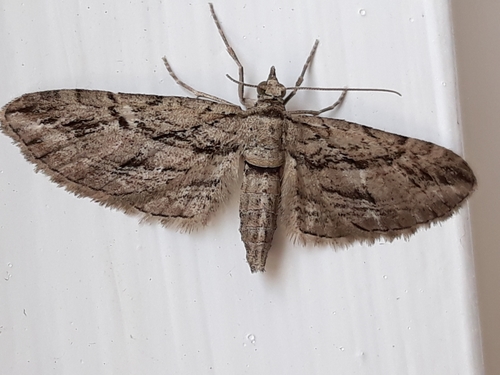
Eupithecia phoeniceata (Rambur, 1834) is a animal in the Geometridae family, order Lepidoptera, kingdom Animalia. Not known to be toxic.

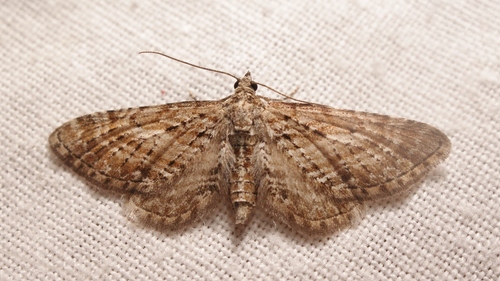
Photo of Eupithecia phoeniceata (Rambur, 1834) (Eupithecia phoeniceata (Rambur, 1834))
🦋 Animalia

Eupithecia phoeniceata (Rambur, 1834)

Eupithecia phoeniceata (Rambur, 1834)

Eupithecia phoeniceata, the cypress pug, is a European geometrid moth first described in 1834 whose larvae feed on cypresses.

Family
Genus
Eupithecia
Order
Lepidoptera
Class
Insecta

About Eupithecia phoeniceata (Rambur, 1834)

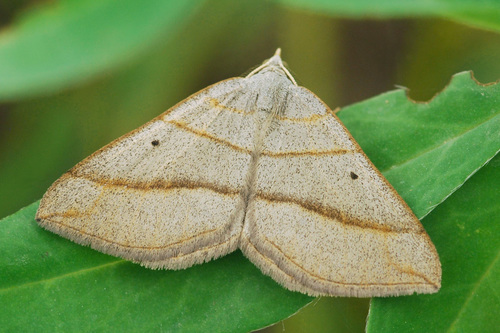
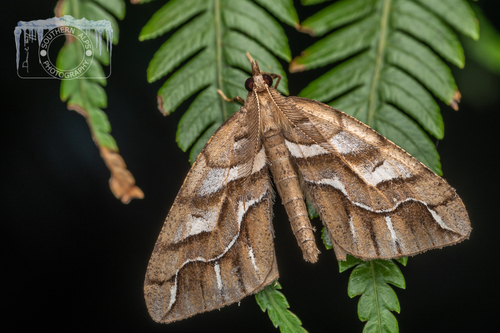
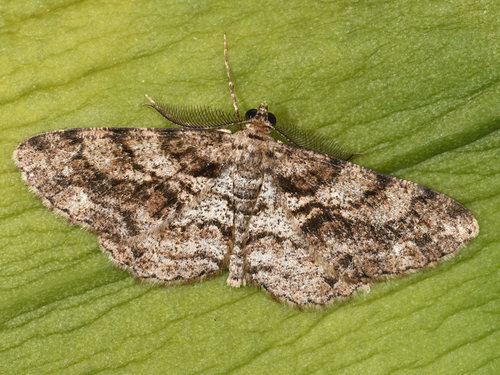
Eupithecia phoeniceata, commonly known as the cypress pug, is a species of moth in the family Geometridae. It was first described by Jules Pierre Rambur in 1834, and can be found in Europe. This moth has a wingspan of 18–22 mm. The forewings are distinctly elongate, with a ground colour of grey or pale greyish ochreous. They have a prominent, characteristically extremely oblique pale median fascia that makes the wing look narrower than its actual size. There are blackish markings on the veins near the termen, and a small dark discal spot on each forewing. Hindwing markings are variable, but usually match the appearance of the forewings. The thorax is grey, with a black collar at its anterior end. Adult moths fly from August to September, with flight timing varying by location. The larvae feed on Cupressus macrocarpa and other cypress cultivars.
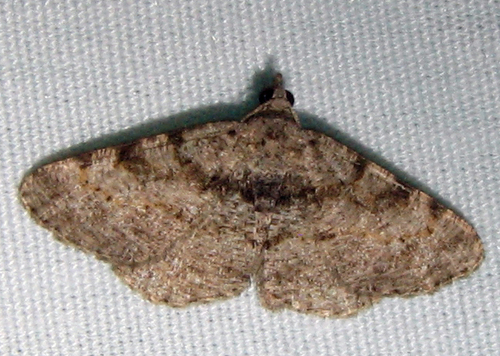
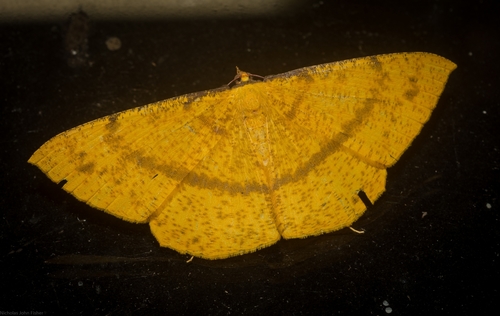
Photo: (c) AFilmAboutArt, some rights reserved (CC BY-NC), uploaded by AFilmAboutArt · cc-by-nc

Taxonomy

Animalia Arthropoda Insecta Lepidoptera Geometridae Eupithecia

More from Geometridae

Sources: GBIF, iNaturalist, Wikipedia, NCBI Taxonomy · Disclaimer

Identify Eupithecia phoeniceata (Rambur, 1834) instantly — even offline

iNature uses on-device AI to identify plants, animals, fungi and more. No internet needed.

Download iNature — Free

Start Exploring Nature Today

Download iNature for free. 10 identifications on us. No account needed. No credit card required.

Download Free on App Store