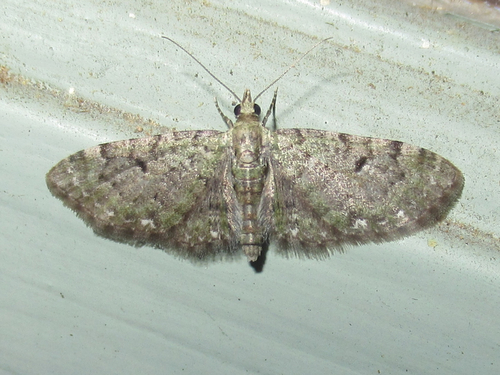
About Eupithecia miserulata Grote, 1863
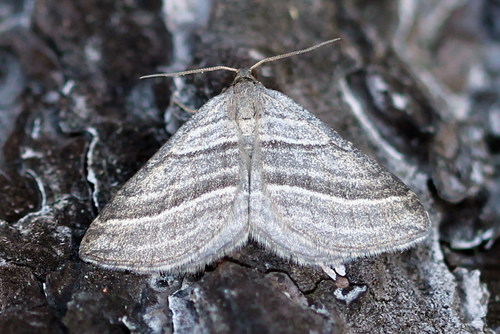
Eupithecia miserulata, commonly called the common eupithecia, is a moth species that belongs to the family Geometridae. This species was first described by Augustus Radcliffe Grote in 1863. It is found in North America, with its range stretching from Ontario and Maine in the north to Florida, Mississippi, Louisiana and Texas in the south. It can also be found in Arizona and California. This moth has a wingspan of 12 to 20 millimeters. Adult moths fly from March to November, with flight timing varying by location. The larvae of Eupithecia miserulata feed on a wide variety of plants, including coneflower, asters, willows, cherry, juniper and clover.