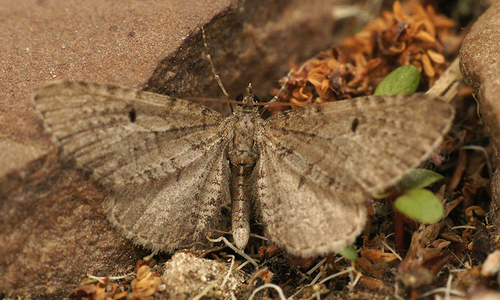
About Eupithecia intricata (Zetterstedt)
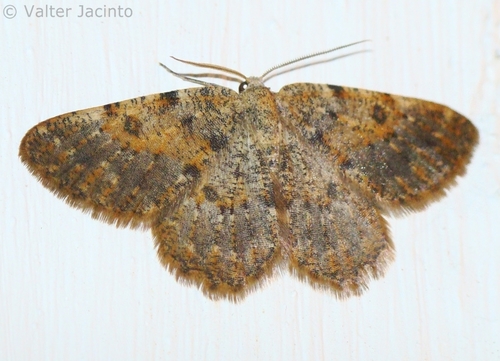
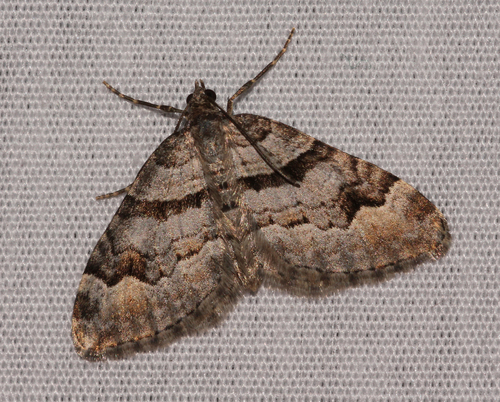
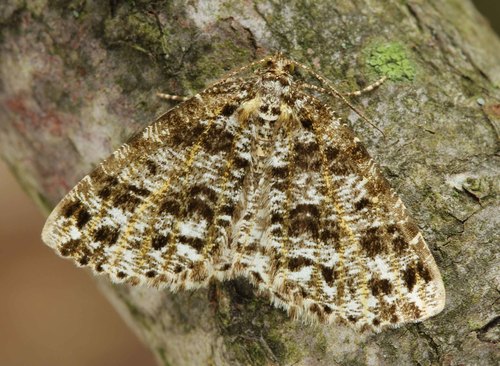
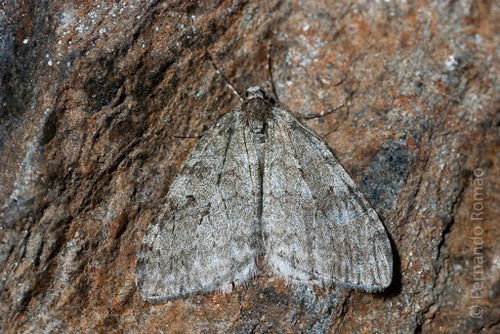
Freyer's pug, the common name for Eupithecia intricata, is a moth species belonging to the family Geometridae. This moth can be found across Europe (including Russia), extending east to the Urals, the Russian Far East, Kazakhstan and China, and is also present in North America. It has a wingspan of 20 to 24 mm, with forewings measuring 12 to 13 mm in length. The moth's overall ground body and wing colour is grey or brownish grey. Its forewings feature numerous crosslines, with a short line marking the discal forewing spot. A distinct clear spot is present on the hindwings, and the second abdominal segment is dark brown. Final instar larvae are smooth and elongated, with colouration ranging from grass-green, teal to yellow-green. They have white laterodorsal lines and white side stripes, which match the appearance of the needles of their main food plant, common juniper, making them hard for predators to detect. This species primarily colonizes heathlands, sparse meadows, open pine forests, parks and gardens. It can also occur in built-up urban areas and cemeteries. In the Alps, the species can be found at elevations up to 2600 metres. Adult moths produce one generation per year that flies from May to June. Caterpillars of Freyer's pug feed on plant species from the Cupressus and Juniperus genera.